Türkiye's parliament has approved a two-year extension of the country's military deployment in Somalia, reinforcing deepening security ties between Ankara and Mogadishu as the Horn of Africa nation continues to battle terrorism, piracy and other security threats.
The extension allows Turkish forces to continue supporting Somali efforts to combat terrorism, piracy, smuggling and other security threats as the country seeks to strengthen its security institutions.
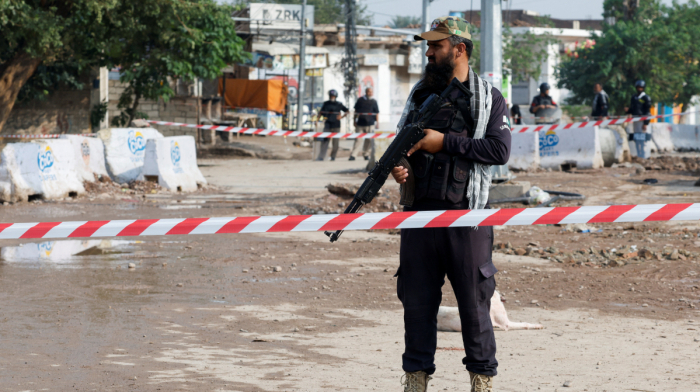
The move comes as Somalia continues to confront the Al-Qaeda-linked Al-Shabab militant group, which continues to carry out attacks despite sustained counterterrorism operations by Somali forces and their international partners.
Piracy off Somalia's coast has also re-emerged in recent years, with armed groups exploiting regional instability to target commercial shipping in waters linking the Indian Ocean to key global trade routes.
Türkiye has emerged as one of Somalia's closest international partners since 2011, when then-Prime Minister Recep Tayyip Erdoğan visited Mogadishu during a devastating famine.
Since then, the relationship has expanded significantly, encompassing trade, diplomacy, energy, humanitarian assistance, infrastructure development and defence cooperation.
Deepening security ties
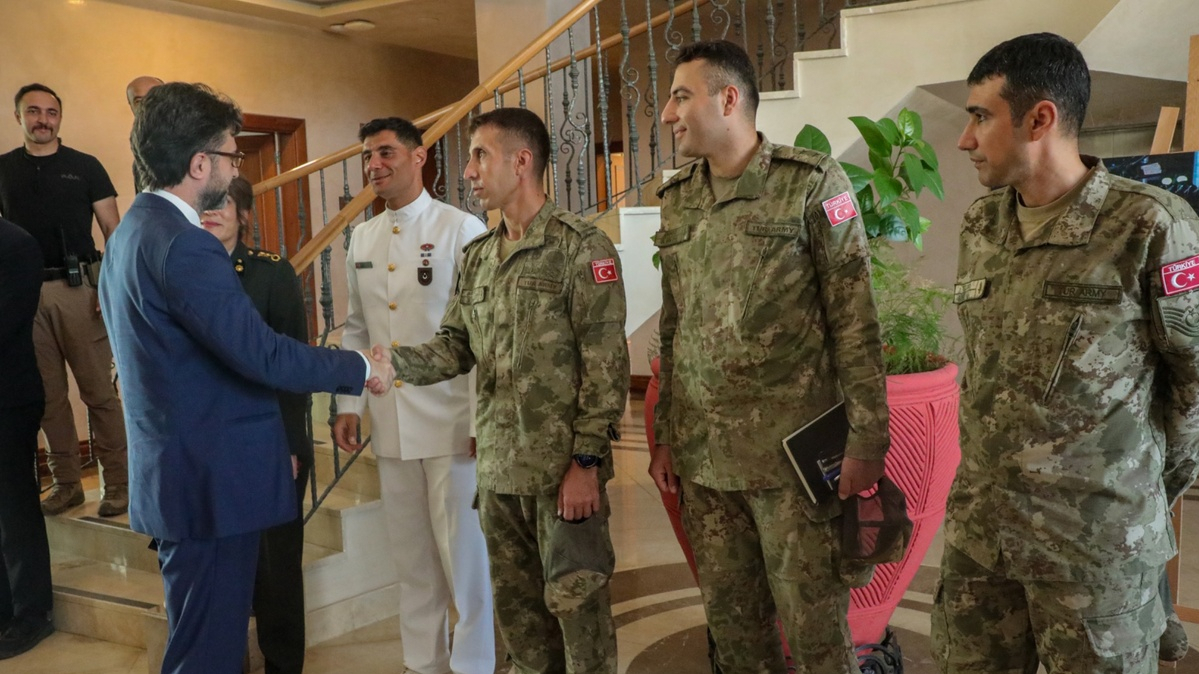
Türkiye operates its largest overseas military training facility in Mogadishu, known as TURKSOM, where Turkish personnel have trained thousands of Somali soldiers as part of efforts to strengthen the country's armed forces.
Security cooperation deepened further in 2024, when the two countries signed a defence and economic cooperation agreement under which Ankara pledged to help Somalia strengthen its maritime security capabilities and protect its territorial waters.
The agreement came amid heightened tensions in the Horn of Africa and mounting concerns over Somalia's ability to secure its lengthy coastline against piracy, illegal fishing and other maritime threats.
Ankara has also stepped up its involvement in Somalia's emerging energy sector.
Turkish vessels are currently carrying out offshore seismic surveys as the two countries pursue joint initiatives aimed at developing potential oil and natural gas resources.
Broader regional strategy
Türkiye's extension of its military presence in Somalia reflects a broader regional strategy aimed at expanding its political, economic and security footprint across the African continent.
For Somalia, continued Turkish military support comes as Mogadishu seeks to assume greater responsibility for national security while maintaining operations against Al-Shabab.
Türkiye has also sought to play a diplomatic role in regional disputes, including simmering tensions between Somalia and neighbouring Ethiopia, with a view to further cementing its position as a key partner in the region.


















What is your opinion on this topic?
Leave the first comment