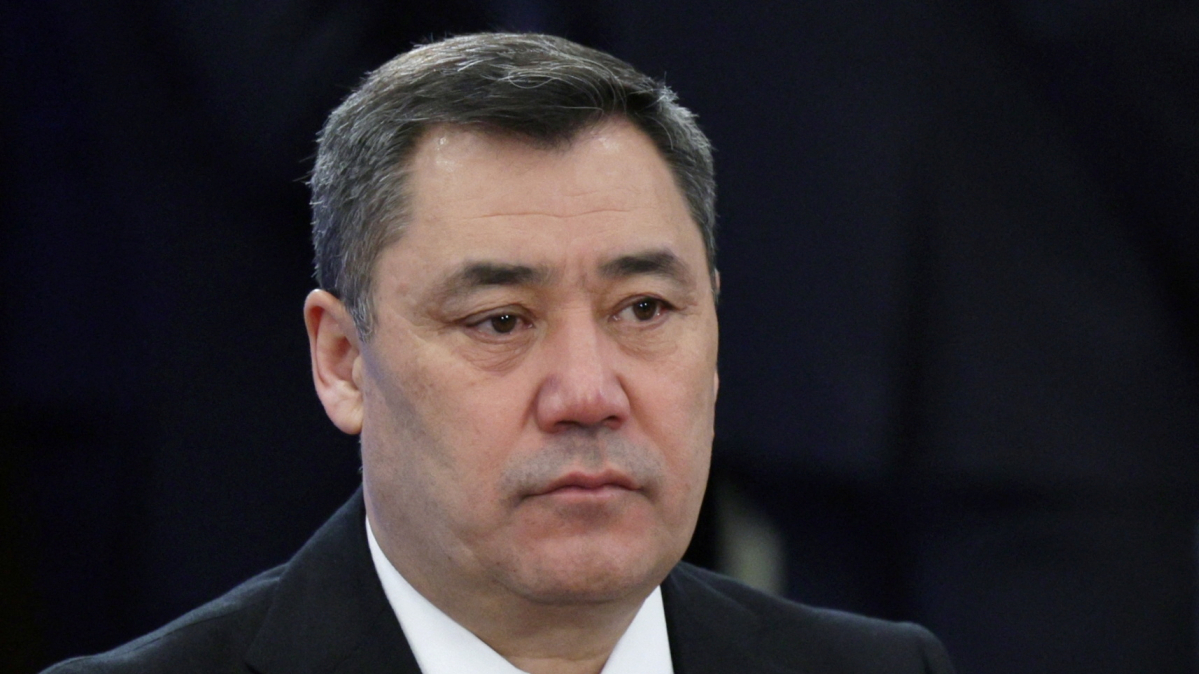
Kyrgyzstan’s ex-second in command, Kamchybek Tashiev, has been convicted of plotting to overthrow the country’s President Sadyr Japarov. Tashiev and Japarov had ruled the Central Asian nation in tandem since 2020, until the former was unexpectedly ousted in February.
The country’s former ex-Prosecutor General, Kurmankul Zulushev, ex-Parliamentary Speaker, Nurlanbek Turgunbek uulu, and five others were also convicted for their role in a case, which hinged on an open letter to Tashiev calling for an early presidential election.
Prosecutors said that the letter represented a call to seize power in a coup.
The defendants were all sentenced to four years in prison, but they will be allowed to serve their terms on probation, rather than behind bars. Each also had their property confiscated. All denied the charges.
The sentencing risks instability in historically volatile Kyrgyzstan, where Japarov is set to seek a second term as President in an election next year.
"The ousting of Tashiev suggests that Japarov feels secure enough in his position to go after such a big target," Temur Umarov, a Central Asia Expert at the Carnegie Russia Eurasia Center, said.
The partnership between Japarov and Tashiev had united elites across the fractious north and south of Kyrgyzstan, a resource-poor country heavily dependent on remittances from migrants working in Russia.
Around 600,000 Kyrgyzstan citizens reportedly work in Russia, around eight per cent of the country’s population. Their wages reinvested in the Kyrgz economy account for around 20 per cent of Kyrgyzstan's GDP.
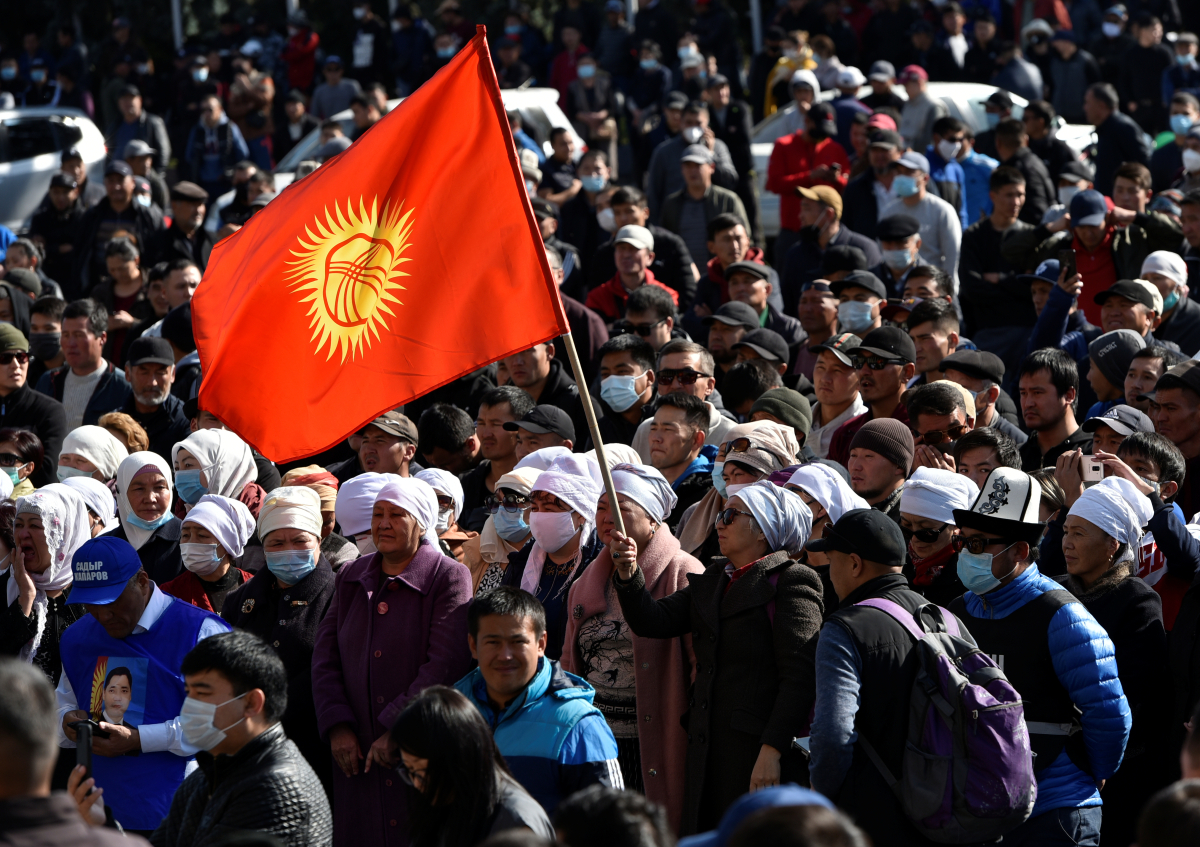
When Tashiev ruled with Japarov, the two men clamped down on opposition and independent media, in the country where presidents were ousted by protests in 2005, 2010 and 2020.
Japarov and Tashiev delivered rapid economic growth, almost doubling the country’s GDP between 2022 and 2026, according to IMF estimates. But the growth was largely due to the country becoming a key route for Western goods to reach Russia, after European countries imposed sanctions on Moscow for its invasion of Ukraine.
European Union (EU) documents seen by the Financial Times in March said that imports of “high-priority items” from the bloc to Kyrgyzstan had risen by nearly 800 per cent since Russia’s invasion of Ukraine in 2022. Exports to Russia from Kyrgyzstan were 1,200 per cent higher, the EU documents said.
In April, Kyrgyzstan became the first country to face secondary EU sanctions over suspected sanction-busting activities related to Russia. The EU banned the export of computer numerical control machines to Kyrgyzstan. The technology is used in the production of components for weapons.
Kyrgyzstan responded in May by shutting down 50 companies operating within the country suspected of helping Moscow evade sanctions.















What is your opinion on this topic?
Leave the first comment