Kazakhstan and Iran have agreed to accelerate cooperation on transport corridors, giving Kazakhstan access to key Iranian ports in a move aimed at strengthening trade routes and reducing reliance on transit routes through neighbouring countries.
The agreement was reached during talks between Kazakhstan's government and an Iranian delegation, according to a statement from the Kazakh prime minister's office.
For landlocked Kazakhstan, access to global maritime routes has long been a strategic priority, as limited direct access to international shipping hubs has constrained export capacity.
Access to Iranian ports
Under the agreement, Iran will allocate land to Kazakhstan at Shahid Rajaee Port in Bandar Abbas, one of the country's busiest terminals.
"The Iranian side announced the completion of negotiations on allocating a plot of land to Kazakhstan in the port of Shahid Rajaee," the statement said, adding that the transfer would take place once formal procedures are finalised.
Iran has also offered Kazakhstan operational access at Chabahar Port on the Gulf of Oman, providing direct links to markets in South and Southeast Asia.
Infrastructure links and rail connection
Chabahar Port is expected to play a growing role in regional trade once the nearby Zahedan–Chabahar railway is completed. The line, which is around 90% complete, is expected to become operational in the coming months.
Once in service, the railway will connect the port to a wider transport network linking the Indian Ocean with Central Asia and Europe, improving the movement of goods across multiple regions.
Kazakhstan's Deputy Prime Minister Serik Zhumangarin said access to such infrastructure was critical to the country's long-term development.
"Access to ports is vital for Kazakhstan; it is the key to our future development," Serik Zhumangarin said.
He added that Kazakhstan has been allocated around 15 hectares of land in Chabahar, where a joint terminal project, including container-handling facilities, is planned.
Reciprocal cooperation
In return, Kazakhstan has offered to explore providing Iran with access to facilities at its Caspian Sea ports of Aktau and Kuryk.
These include the potential use of port space, berths and terminals to support Iranian logistics operations across the region.
Both sides said they would work to accelerate the implementation of agreements, improve coordination and attract investment into transport and logistics infrastructure.
Strategic importance
The cooperation reflects Iran's geographic position at the intersection of major north–south and east–west trade routes, making it an important transit hub.
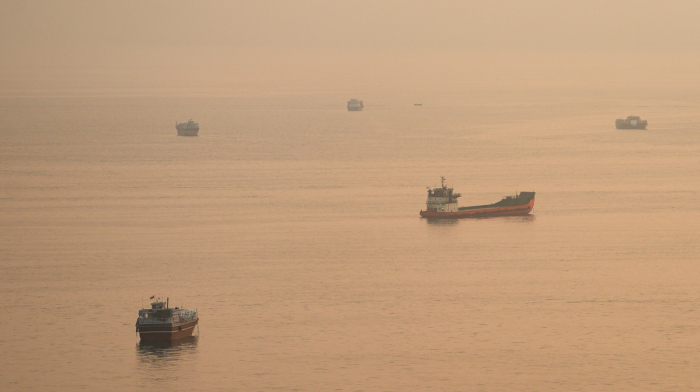
Shahid Rajaee Port, located near the Strait of Hormuz, handles around 70 million tonnes of cargo annually, while Chabahar offers Central Asian countries one of the closest routes to open-sea access.
For Kazakhstan, the partnership could significantly diversify export routes and strengthen links with markets beyond its immediate region.
As both countries advance infrastructure and connectivity projects, the agreement marks a step towards deeper economic integration and expanded trade across Eurasia.
















What is your opinion on this topic?
Leave the first comment