Saudi Arabia intercepts drone over Riyadh amid rising Houthi attacks
Saudi Arabia’s air defences have intercepted and destroyed a hostile drone over the Riyadh region, according to the Saudi-led coalition fight...
Turkish authorities are mulling new measures to protect children from dangerous online content after the country was shaken last week by two separate school shootings.
According to local media reports, Türkiye’s Information and Communication Technologies Authority is seeking to limit children’s access to games and other online material that could be seen as promoting violence or other harmful behaviour.
The reports come in the wake of two separate school shootings in south-eastern Türkiye that left nine people dead and more than two dozen injured, including both teachers and students.
Investigations have since revealed that the two perpetrators - a 14-year-old student and a 19-year-old former student - had both been active players of violent games online, raising concerns about the effect of such content on young users.
In an effort to restrict access to potentially harmful content, authorities are reportedly considering a ban on the use of Virtual Private Networks (VPNs) by minors.
According to officials, VPN services operating in Türkiye may be made subject to licensing requirements, thereby preventing minors from accessing content that would otherwise be blocked.
Authorities are also considering the introduction of a mobile phone subscription category specifically designed for users under 18, which would feature enhanced content-filtering options.
In a related development, the Istanbul Chief Public Prosecutor’s Office has opened an investigation into a popular Turkish-language YouTube channel amid concerns that its content may promote violence.
Officials allege that some of the material featured on the channel could be seen as normalising harmful or anti-social behaviour, particularly among children.
With more than 7.5 million subscribers, the channel - called “Minecraft Parodileri” - has since been temporarily blocked in Türkiye in line with a court order.
The Istanbul prosecutor’s office is now in the process of reviewing other popular social media channels that may also be seen as encouraging violence.
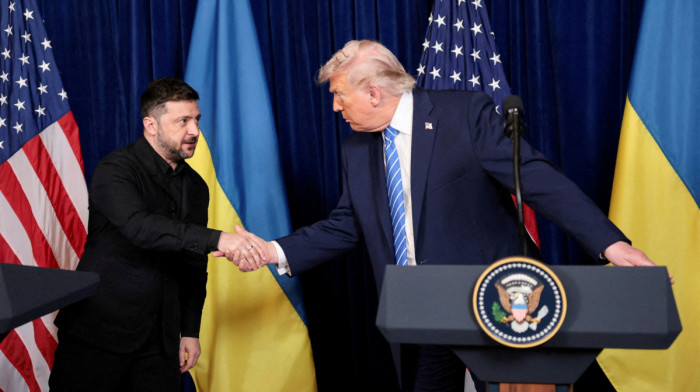
The U.S. has approved the sale of 500 Patriot PAC-3 missiles to Ukraine in a deal worth an estimated $2.1 billion, but Kyiv could face years of delays before receiving the weapons it urgently needs to defend against intensifying Russian attacks.
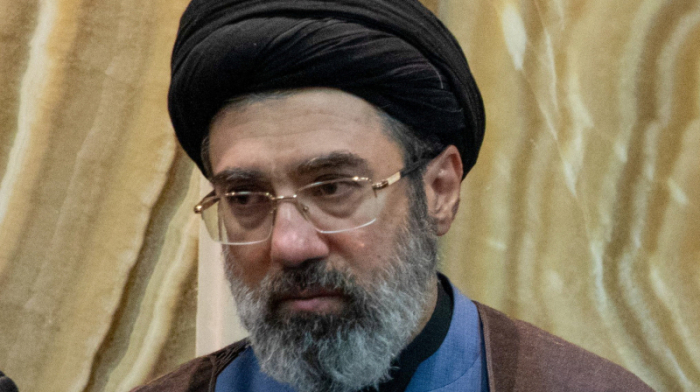
Iranian Supreme Leader Ayatollah Khamenei has ordered Iran's armed forces to respond to any threat immediately and without geographical limits in statements posted to social media platforms on Saturday (31 October).
A hacking group linked to North Korea is widely believed to be behind the theft of $6.3 billion from cryptocurrency giant Binance, a cyberattack that experts describe as the largest cryptocurrency heist on record.
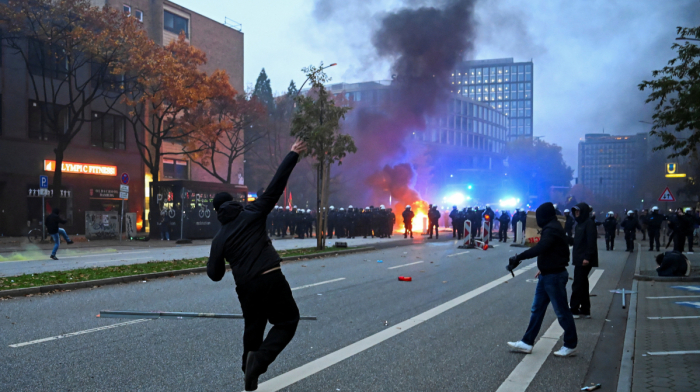
Gen Z protests swept 34 German cities on Saturday (31 October) over education and living costs. Violence erupted in Frankfurt, where shops were looted and police reported Molotov cocktail attacks.
A tenth-grade student was critically injured after a man attacked her with a chainsaw inside a classroom in Andhra Pradesh’s Anantapur district. The girl suffered severe injuries to her head, neck and back, while a classmate who tried to protect her was also hurt.
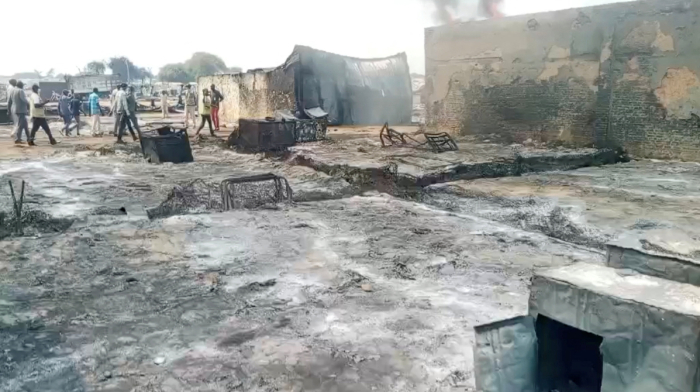
Saudi Arabia’s air defences have intercepted and destroyed a hostile drone over the Riyadh region, according to the Saudi-led coalition fighting in Yemen. No casualties were reported.
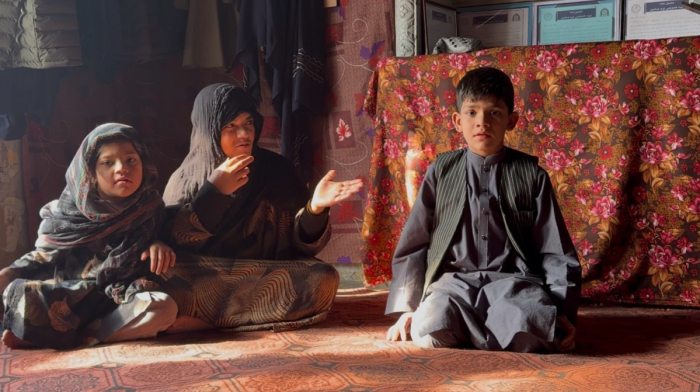
Since 2021, only 9 per cent of $8 billion in humanitarian aid for Afghanistan can be traced beyond initial recipients in public records, a Kabul Institute report released on 22 October said. The United Nations says its oversight systems ensure accountability.
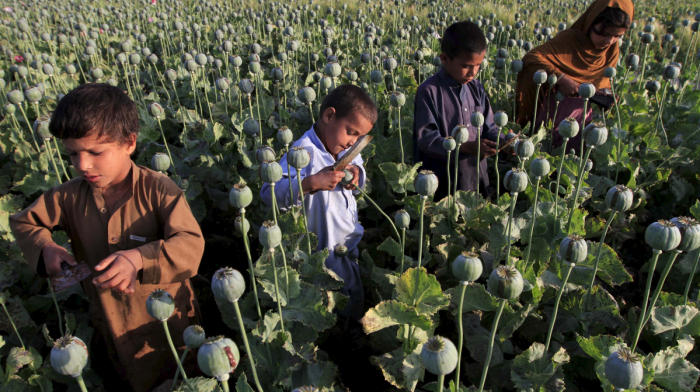
Opium poppy cultivation in Afghanistan surged by 330 per cent in 2026 despite a four-year ban, the United Nations said on Thursday. Afghan authorities disputed the findings, while Japan urged continued support for farmers seeking alternative livelihoods.
Demonstrators carrying Iranian flags and placards supporting the hijab gathered outside the Azerbaijani Embassy in London.
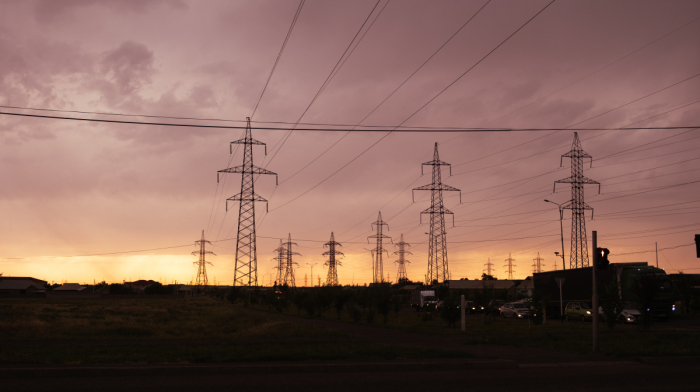
Central Asia could gain up to $640 million a year from closer energy cooperation, but strained electricity grids threaten to limit those gains, with Kazakhstan particularly exposed to regional power shortages and growing pressure on its network.
You can download the AnewZ application from Play Store and the App Store.
What is your opinion on this topic?
Leave the first comment