The United Nations has renewed calls for the immediate lifting of restrictions on Afghan women’s access to education, work and public life, after a three-day visit to Kabul by its senior political affairs official.
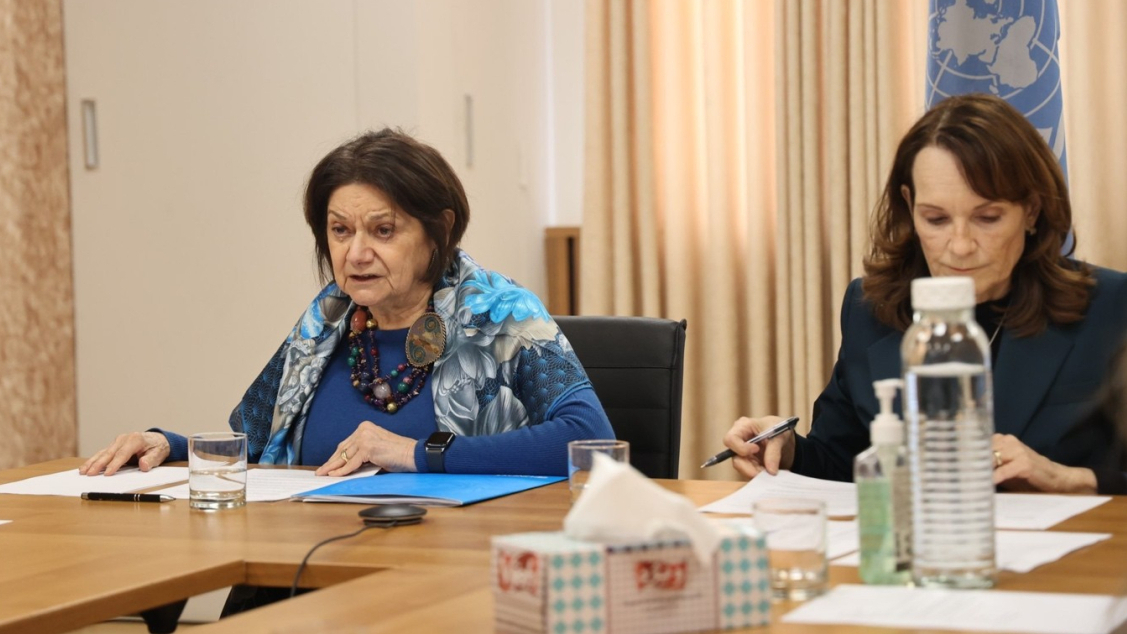
Rosemary DiCarlo, the UN Under-Secretary-General for Political and Peacebuilding Affairs, concluded her visit on Sunday, 25 January, during which she met senior Afghan officials, members of the diplomatic community, Afghan women, civil society representatives and Afghan female staff of the United Nations.
In a statement issued by the UN, DiCarlo outlined concerns “regarding restrictions on UN Afghan female staff, as well as the broader limitations on women’s access to education, work, and public life, and urged their immediate lifting.”
She also praised the role of Afghan women working with the UN, saying they play “a vital role in support of the Afghan people,” and expressed her solidarity with them.
Writing on X later on Sunday evening, DiCarlo said the visit aimed to follow up on the Doha Process launched by the Secretary-General in 2023 for “principled and pragmatic engagement with Afghanistan for the benefit of all its Afghans.”
She stressed that women’s rights remained central to any engagement with Kabul. “In these and all my other talks, I emphasized that the restoration of Afghan women’s access to education, work and public life remains essential,” she wrote.
During her visit, DiCarlo held talks with the de facto Foreign Minister, Amir Khan Muttaqi, and the de facto Interior Minister, Sirajuddin Haqqani. She said discussions covered Afghanistan’s reintegration into the international community, security issues, counter-narcotics cooperation and restrictions on UN national female personnel.
“Aghan personnel working for the United Nations play a critical role in Afghanistan’s development,” she added. “Afghan women working with the UN must be able to return to their offices to deliver for the people of Afghanistan.”
According to the UN statement, DiCarlo also encouraged Kabul to “engage fully in the Doha Process and to address their international obligations needed for Afghanistan’s reintegration into the international community,” with both sides agreeing to continue their engagement.
She further underscored the importance of unimpeded cross-border delivery of humanitarian aid, calling for the cooperation of the Afghan authorities in this regard.
Afghan women and civil society representatives she met raised concerns about the country’s human rights situation, particularly the impact of ongoing restrictions on women and girls, the UN said.
In a statement, the Afghan Foreign Ministry expressed “hope for an increase in such meetings and for further expansion of relations.”
Since August 2021, Afghan women have been barred from education and most employment. These are measures that the United Nations says have affected millions. The Afghan authorities have also banned women from working for most NGOs and have restricted national female UN staff since late 2022, with aid agencies warning this has directly undermined humanitarian assistance, particularly for women and children.












What is your opinion on this topic?
Leave the first comment