live U.S. President Trump asks NATO allies for urgent support in Hormuz, diplomats say - Thursday 9 April
Iran suggested it would be "unreasonable" to proceed with talks to forge a permanent peace d...
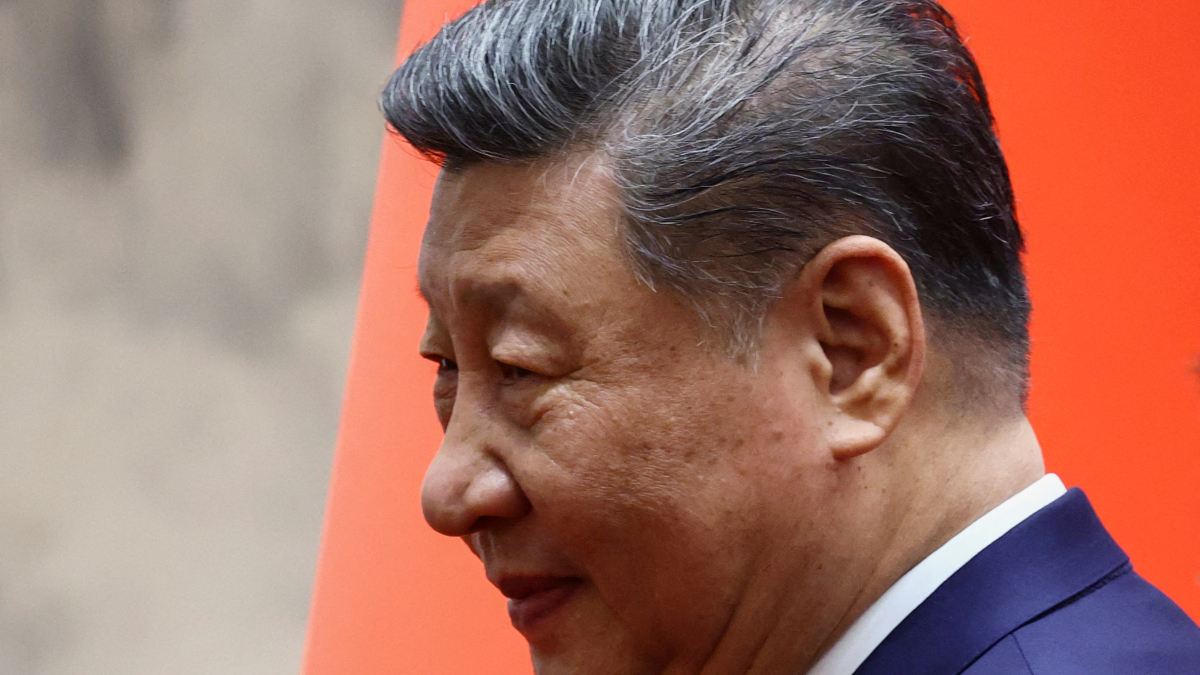
China has launched a wide-ranging campaign across Central Asia aimed at improving its public image and strengthening its influence in the region.
The initiative, coordinated by Chinese embassies, involves Beijing-created content being published in prominent media outlets in Kazakhstan, Uzbekistan and Kyrgyzstan.
The content promotes China as a reliable trade partner, emphasising economic cooperation, regional stability and shared development goals.
Chinese diplomats argue that Western influences risk sowing division in Central Asia, while China presents itself as a neighbour focused on mutual benefit rather than political interference.
In one publication it warns Central Asian countries to avoid a “Cold War mindset”, which has previously been a way China refers to U.S. President Donal Trump’s administration.
In Kazakhstan’s Tengrinews, the country’s most viewed news site, Chinese-authored articles have highlighted what they say is the benefits of bilateral trade between China and the region. Similar material has been published or broadcasted by major state-linked outlets in Uzbekistan and Kyrgyzstan.
Alongside this media push, a Chinese organisation known as the Academy of Contemporary China and World Studies has sponsored public opinion surveys in several Central Asian countries.
China’s image-building campaign comes as its economic presence in Central Asia continues to expand. Trade between China and the region has increased sharply in recent years, and Beijing is a major investor in infrastructure and energy.
While Western countries have attempted to deepen engagement with the region, China’s latest campaign suggests it is determined to secure its position not only through economic ties, but by actively shaping public narratives.

China and Russia vetoed a United Nations Security Council resolution on Tuesday aimed at coordinating defensive efforts to protect commercial shipping in the Strait of Hormuz, leaving no agreed international framework for securing the vital route.
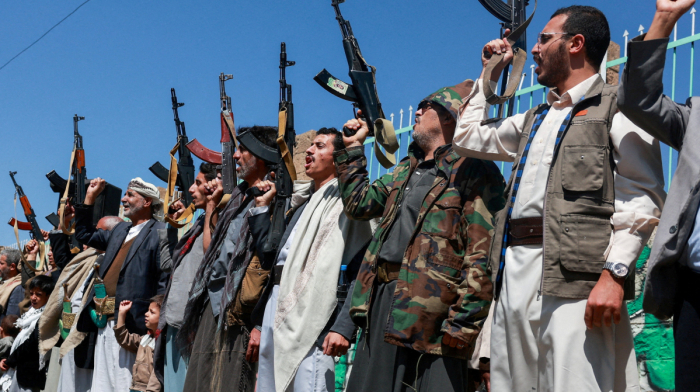
Lebanon’s Hezbollah said it had stopped firing on northern Israel and Israeli forces on Wednesday as part of a two-week ceasefire in the Middle East brokered between the United States and Iran. However, a Hezbollah lawmaker warned that the pause could collapse if Tel Aviv does not adhere to it.
Pakistan’s Prime Minister Shehbaz Sharif said Iran and the United States, along with their allies, have agreed to an immediate two-week ceasefire covering all areas, but Israel says the deal excludes Lebanon. Tel Aviv says the U.S. is committed to achieving shared goals in upcoming negotiations.
Construction has begun on a major new solar power project in Xizang, as China continues to expand its renewable energy capacity and push towards a greener future.
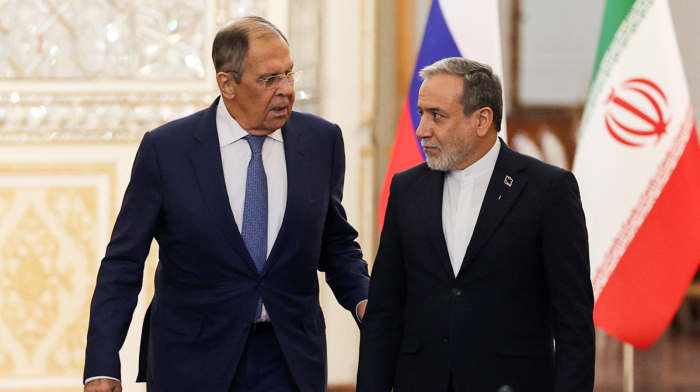
Iran suggested it would be "unreasonable" to proceed with talks to forge a permanent peace deal with the U.S. after Israel pounded Lebanon with its heaviest strikes yet on Wednesday, killing hundreds of people. The warning came from Iran's lead negotiator, parliament speaker Mohammed Bager Qalibaf.
Millions of Indians queued to vote in local elections across two states on Thursday, kicking off four key contests this month.
Afghanistan and Pakistan have agreed to continue dialogue and avoid steps that could worsen tensions after China-hosted talks in Urumqi, with Kabul and Beijing saying the meetings focused on easing differences and improving relations.
Lithuania’s Prime Minister’s visit to Azerbaijan on 9 April signals a deepening strategic dialogue between Baku and European partners. Analysts say economic interests and geopolitical shifts are driving closer engagement.
Italian Prime Minister Giorgia Meloni said on Thursday (9 April) that restoring freedom of navigation in the Strait of Hormuz is a vital interest for both Italy and the European Union, pledging coordination with international partners to ensure safe passage.
Kazakhstan says oil exports via the Caspian Pipeline Consortium (CPC) remain stable after drone strikes on facilities near Novorossiysk, despite damage to key infrastructure and rising risks to a major export route.
You can download the AnewZ application from Play Store and the App Store.
What is your opinion on this topic?
Leave the first comment