Trump lashes out at Netanyahu as Israel and Hezbollah move towards halt in attacks
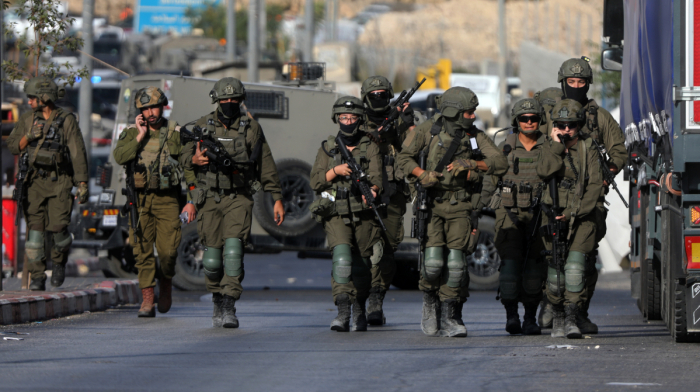
Trump reportedly lashed out at Netanyahu on Monday over Israel's escalation in Lebanon, describing the Israeli leader as "crazy" and warning that furt...
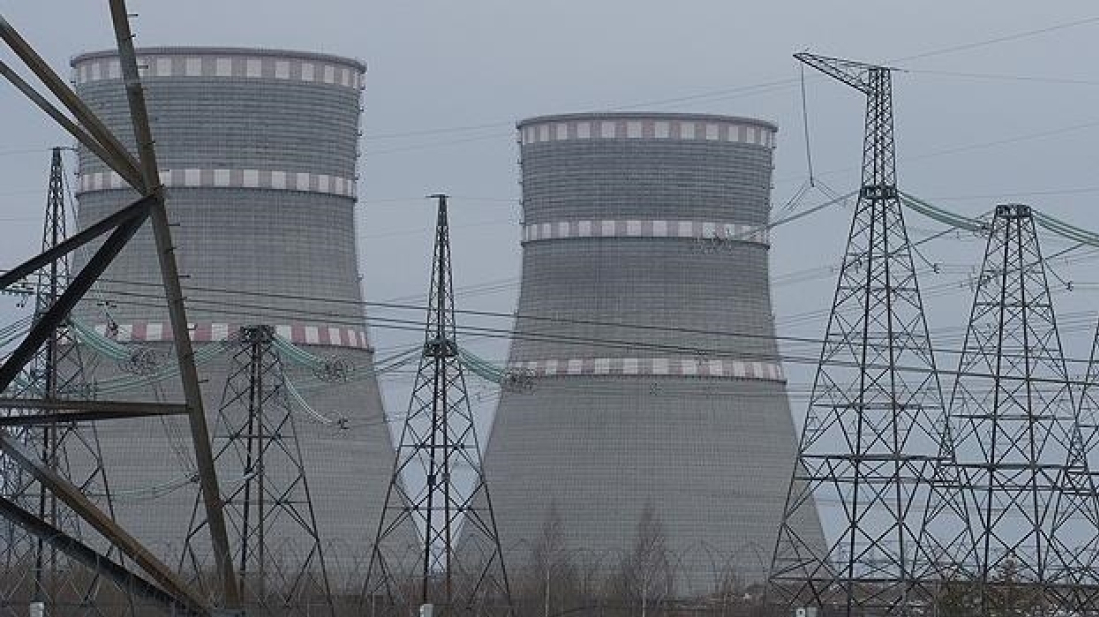
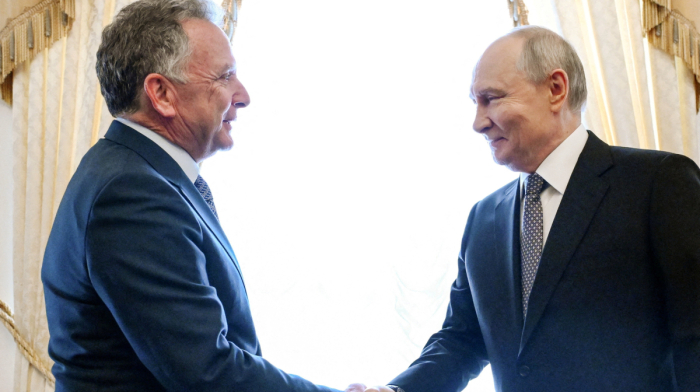
Uzbekistan and Russia are preparing to sign a contract for the construction of Uzbekistan’s first large-scale nuclear power plant by March 2026.
The plant will be located in the Farish district of Jizzakh region and will include four reactors: two VVER-1000 (Generation III+) units and two smaller RITM-200N reactors, each rated at about 55 MW. Construction is planned to proceed in several stages.
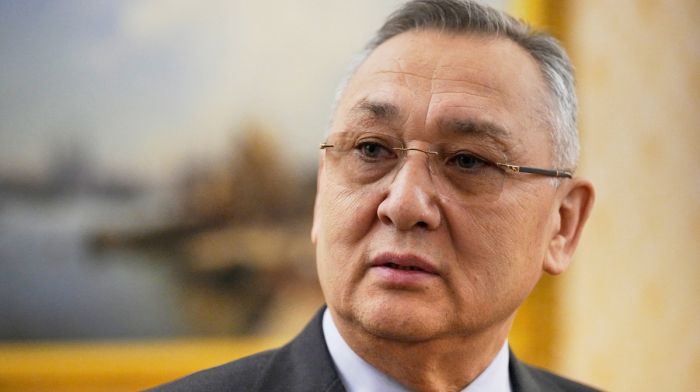
Abduzhamil Kalmuratov, head of Uzbekistan's Directorate for Nuclear power plant construction, confirmed the plans saying, “We plan to sign the contract before the end of the first quarter of 2026. It is a long, delicate and detailed process; we must consider localisation volumes, determine who will supply what, and calculate logistics.”
Project documents state that the scheme will prioritise local participation, with up to 70% of the workforce expected to be Uzbek.
Authorities estimate the construction phase could involve around 20,000 workers and include development of supporting infrastructure such as housing, schools and public facilities in nearby communities.
The nuclear project comes as Russian gas deliveries to Central Asia have increased this year. Supply to Uzbekistan, Kazakhstan and Kyrgyzstan have risen by about 15% in the first eight months of 2025 compared to the same period in 2024.
Also, in 2024 Gazprom delivered 5.64 billion cubic meters of gas to Uzbekistan, up from 1.28 billion in 2023.
Officials describe the nuclear project and expanded gas cooperation as complementary elements of a broader energy diversification strategy.
In the short term, gas supplies are intended to meet immediate demand; in the longer term, the nuclear station is expected to provide stable, low-carbon baseload capacity.

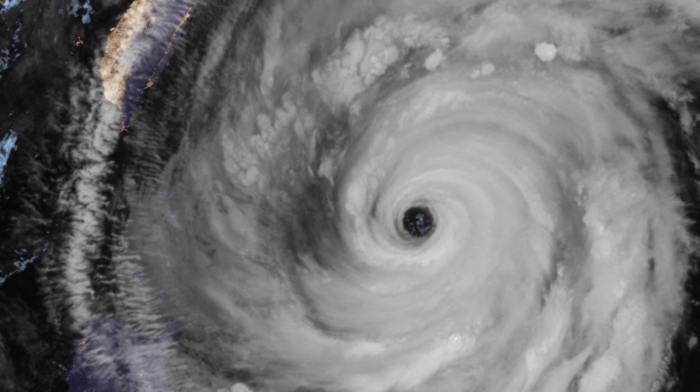
Okinawa lost transport links and suffered widespread power outages on Monday (1 June) as Severe Tropical Storm Jangmi brought destructive winds and heavy rain to Japan's south-western islands.
U.S. Secretary of State Marco Rubio has held talks with Lebanese President and Israeli Prime Minister on efforts to ease tensions between Israel and Lebanon. According to a U.S. official, Washington has proposed a plan aimed at achieving a gradual de-escalation of hostilities.
Competing narratives continue to shape perceptions of the war in Ukraine, with Russian leadership suggesting a possible end phase while Ukrainian officials warn of renewed large-scale attacks and ongoing escalation risks.
Unsealed records from the U.S. Department of Justice have renewed scrutiny of lawyer Robert Amsterdam after documents revealed communications between his law firm and Jeffrey Epstein's office. The disclosures have drawn attention because of Amsterdam's prominent role in Armenia.
When Armenians vote on 7 June, they will be voting in an election shaped by months of political change and a rapidly deepening relationship with the European Union. The result may not only determine who governs Armenia but also the future direction of the country's geopolitical alignment.
The launch ceremony marking the commissioning of the modernised Baku-Tbilisi-Kars (BTK) railway line was held at Akhalkalaki station in Georgia on 2 June, bringing together senior officials from Azerbaijan, Georgia and Türkiye.
When Armenians vote on 7 June, they will be voting in an election shaped by months of political change and a rapidly deepening relationship with the European Union. The result may not only determine who governs Armenia but also the future direction of the country's geopolitical alignment.
Kazakhstan is open to expanding its oil export routes through Azerbaijan and advancing joint energy infrastructure projects across the Caspian region, Energy Minister Yerlan Akkenzhenov told AnewZ in an exclusive interview in Baku.
Russia's Foreign Ministry spokeswoman Maria Zakharova praised Georgia for resisting Western pressure (30 May), defending its national interests and pursuing a "multi-vector foreign policy" - language that closely mirrors the rhetoric of the ruling Georgian Dream party.
As Armenia approaches parliamentary elections, Russia appears to be increasing political and economic pressure on Yerevan, signalling that closer integration with the EU could lead to significant changes in labour, transport and energy arrangements between the two countries.
You can download the AnewZ application from Play Store and the App Store.
What is your opinion on this topic?
Leave the first comment