The programme opened with tentative diplomatic progress in the Strait of Hormuz after Iran and Oman agreed in principle on a new shipping route, before turning to Europe's intensifying heatwave and its growing impact on energy supplies and public health.
Strait of Hormuz diplomacy
PrimeTime examined efforts to restore commercial shipping through the Strait of Hormuz after Tehran and Muscat agreed in principle on a temporary maritime route through Iranian territorial waters. The programme explored the significance of the proposed agreement for global energy markets, while also highlighting Iran's warning that safe navigation would remain uncertain amid continued regional tensions and U.S. military activity.
The discussion also considered wider diplomatic efforts surrounding the waterway, including consultations involving European partners and renewed warnings from Tehran that any future U.S. military action could trigger retaliation against American assets and Gulf energy infrastructure.
Europe's climate emergency
The programme then focused on the severe heatwave affecting much of Europe, where Italy placed all of its major cities under the highest heat alert and prolonged drought continued to strain infrastructure across the continent. It examined the impact of exceptionally low water levels on the Danube, which have disrupted shipping and forced Hungary's Paks nuclear power plant to reduce electricity generation.
PrimeTime also featured analysis from Environmental, Social, and Governance and sustainability expert Raja Zeb, who argued that climate change is making heatwaves more frequent, longer-lasting and more intense. He warned that Europe is increasingly facing a public health, economic and energy crisis, while stressing the need for stronger climate adaptation measures and a faster transition to clean energy.
Global developments
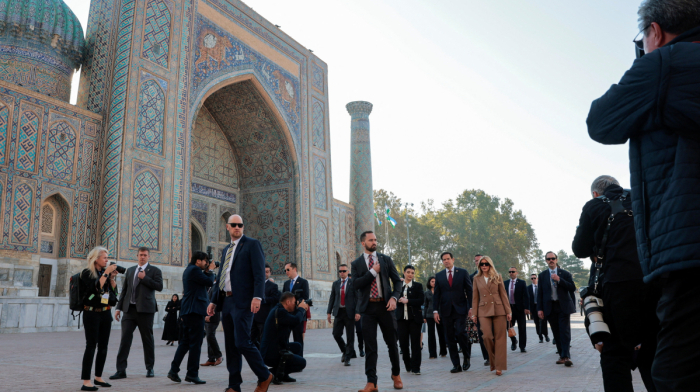
The programme also rounded up major international stories. It began with talks in Washington between U.S. Secretary of State Marco Rubio and UK Foreign Secretary Ed Miliband, where discussions focused on reopening the Strait of Hormuz, Ukraine and wider Middle East security.
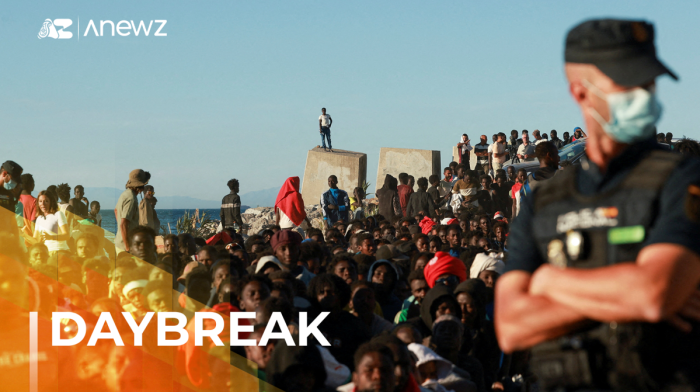
It then turned to Ukraine's call for faster air defence deliveries, alongside reports on Türkiye-Syria ties, Georgia's power outages, renewed Israeli strikes in Lebanon, the fallout from the Ceuta migrant crossings, and South Korea's record-breaking heatwave.
Read more:









What is your opinion on this topic?
Leave the first comment