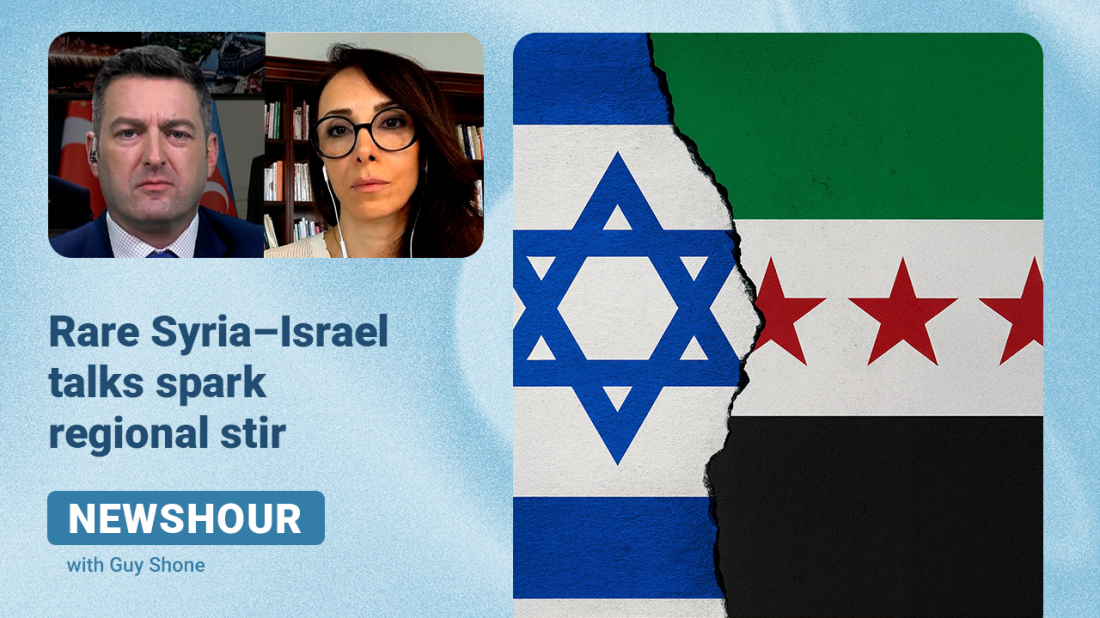
Syria and Israel are holding discreet talks in Paris in a bid to reduce rising tensions in southern Syria. According to diplomatic sources in Europe, representatives from both sides met earlier this week to explore possible de-escalation measures.
The meeting comes at a time of growing instability across the southern provinces, where clashes involving Druze and tribal forces have raised fears of renewed violence near the disengagement line. France is believed to have facilitated the talks, although neither Damascus nor Tel Aviv has offered any public confirmation. The discussions reportedly focused on practical ways of preventing further military confrontations and maintaining existing security arrangements in the Golan Heights area, which has remained a longstanding flashpoint since Israel captured the territory during the 1967 war.
Analysts caution that the issues at stake are deeply entrenched and unlikely to be resolved quickly, but the fact that direct contacts have taken place is viewed by some observers as a notable shift in regional dynamics. It comes as Washington and other international actors continue to emphasise the need for stability in Syria amid the wider Middle East crisis and the ongoing reshuffling of alliances following the fall of the Assad government.
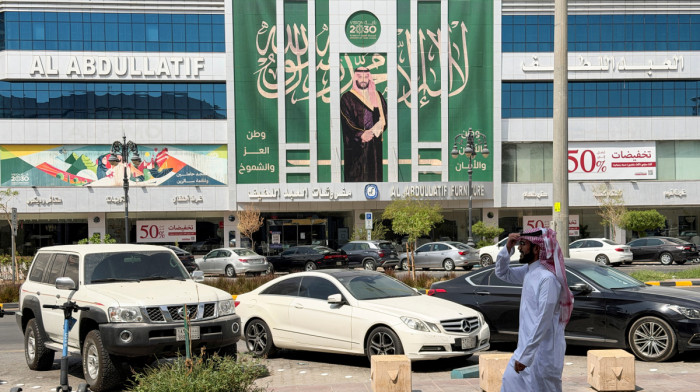
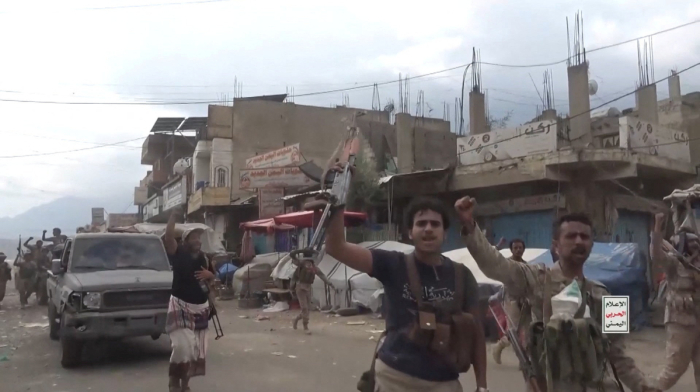
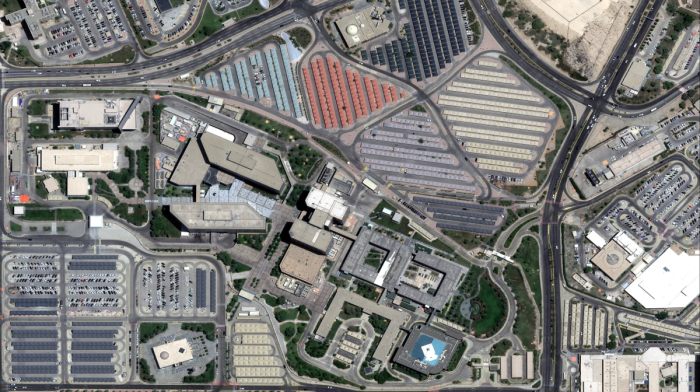
Yemen’s Houthis have claimed responsibility for the recent drone and missile strikes on Saudi Aramco facilities in Dhahran and Riyadh and at King Khalid International Airport in Saudi Arabia, vowing to carry out more attacks in the coming days.
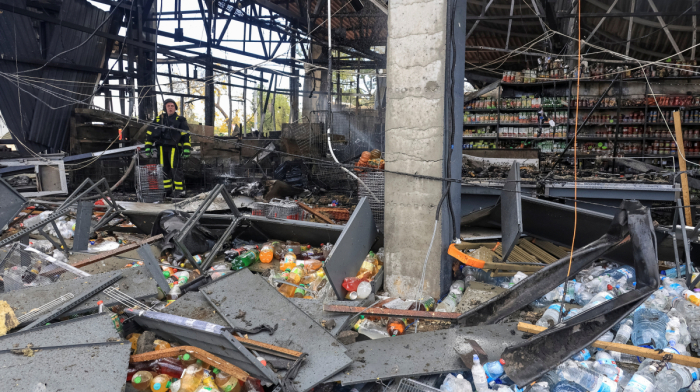
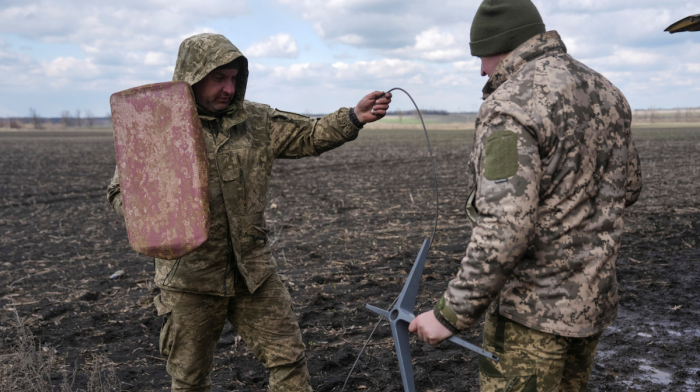
Ukraine's soldiers have had their access to Starlink satellite internet restricted. Kyiv's troops use the terminals, made by Elon Musk's SpaceX, to pilot drones. A source in Ukraine's Defence Ministry said the restrictions would make it harder for Kyiv's army to down Russian drones.
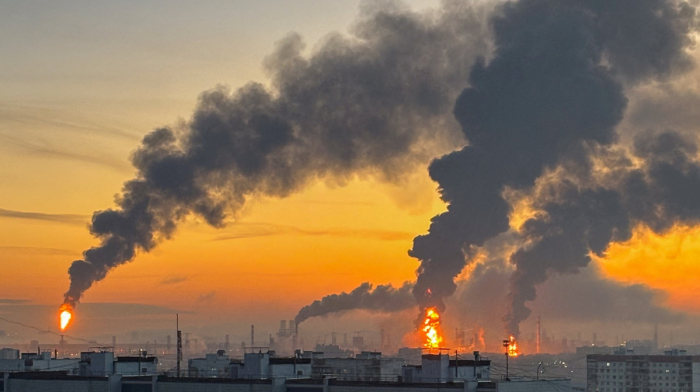
Ukraine is set to restart attacks on Russian oil refineries following a two-day pause, President Volodymyr Zelenskyy said, amid growing tensions with Washington over energy strikes and U.S. military support.
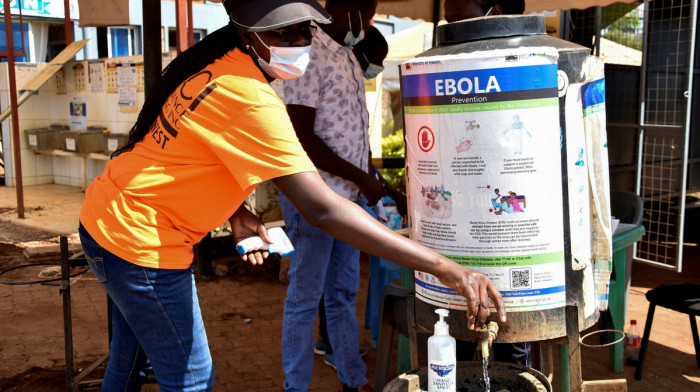
Kenya has confirmed a second case of Ebola, intensifying efforts to prevent the spread of the virus after the country recorded its first-ever infection earlier this month.
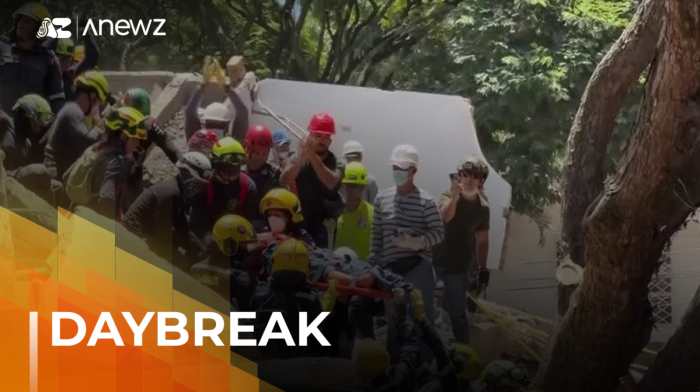
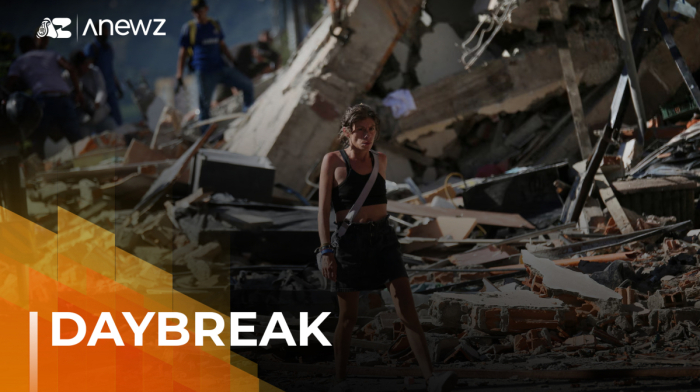
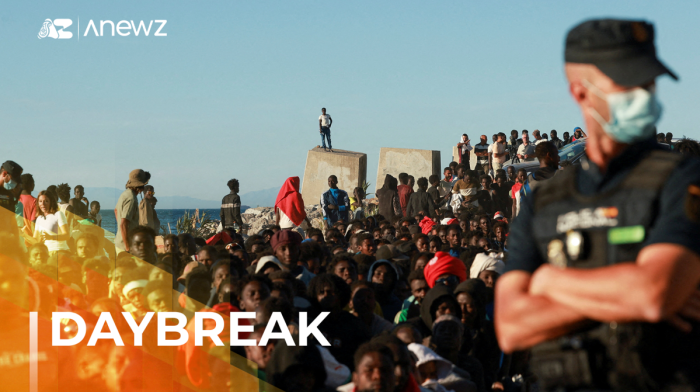
On 12 August, AnewZ’s Daybreak focused on the aftermath of Colombia’s devastating earthquake, tensions surrounding Iran and the Strait of Hormuz, growing Russia-North Korea military cooperation and security and environmental challenges across the Caspian and Black Sea regions.
On 11 August, AnewZ’s Daybreak examined U.S. President Donald Trump’s new demands for Iran, Russia-Iran cooperation and regional connectivity through the South Caucasus alongside key political, security and climate developments worldwide.
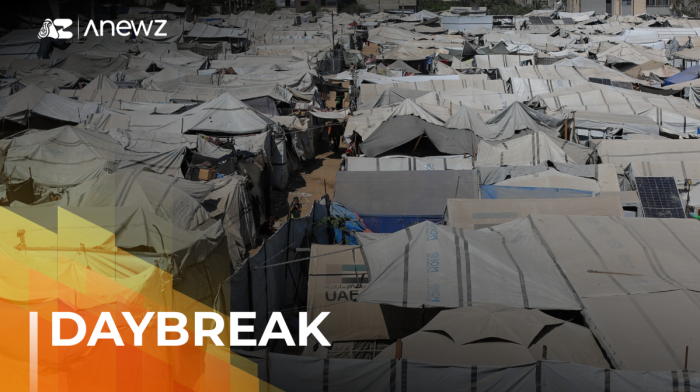
On 10 August, AnewZ’s Daybreak focused on developments in Gaza, Lebanon-Israel negotiations, Iran’s position on talks with Washington and the latest global security and climate-related challenges.
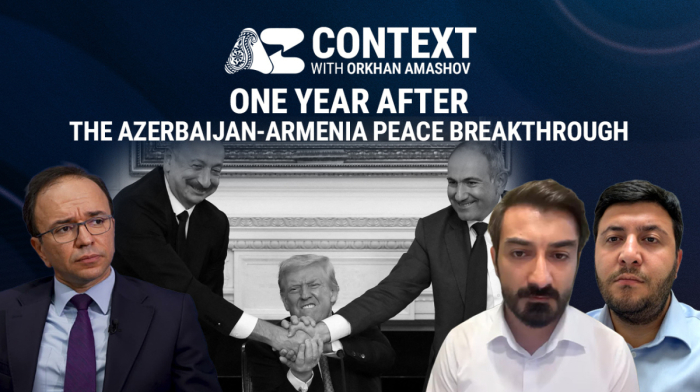
The 8 August commemorative edition of AnewZ's Context looked back on the year since the Washington breakthrough, examining how the initialling of the Azerbaijan-Armenia peace agreement and the launch of the Trump Route for International Peace and Prosperity have reshaped regional politics.
Download the AnewZ app
You can download the AnewZ application from Play Store and the App Store.










What is your opinion on this topic?
Leave the first comment