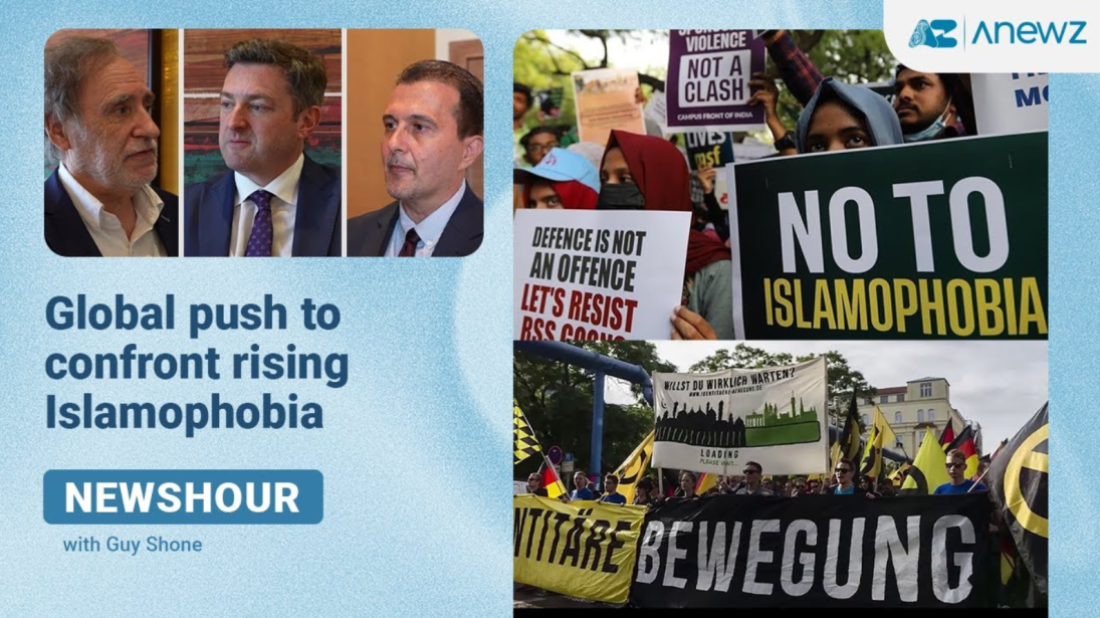
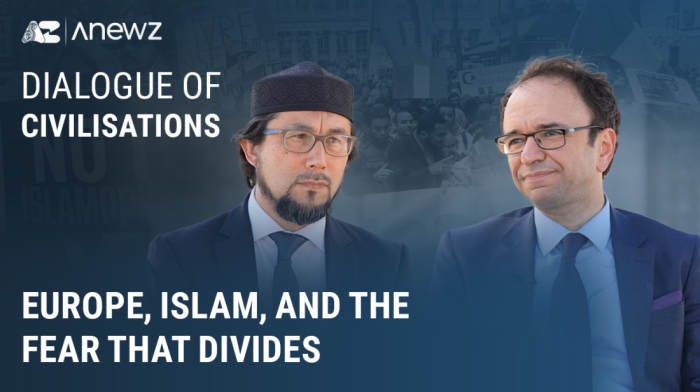
In this special edition from the International Islamophobia Conference, NewsHour with Guy Shone explores how media organisations can confront rising anti-Muslim hate. TRT World Research Centre Director Dr Tarek Cherkaoui and French journalist-filmmaker Jean-Michel Brun offer candid insights into the role of journalism, technology, and education in challenging bias. Dr Cherkaoui reflects on how artificial intelligence, while promising, often inherits online prejudice—posing fresh ethical dilemmas for newsrooms striving to balance speed with integrity. Jean-Michel Brun, meanwhile, shares a compelling case study on secularism in France, explaining how deeply embedded narratives fuel misunderstanding and discrimination. Both guests call for investment in media literacy, content production, and structural support for marginalised communities, urging Muslim-majority countries to play an active role. From Wikipedia battles to media ethics, this discussion uncovers the nuanced fight against Islamophobia—and the responsibilities journalists must shoulder. A call for facts over propaganda, mentorship over sensationalism, and truth over silence. Islamophobia, TRT World, Media Ethics, Anti-Muslim Hate, NewsHour, Guy Shone, Jean-Michel Brun, Tarek Cherkaoui, Secularism in France, Journalism & AI, Media Bias, Ethical Journalism, TRT Research Centre, Islam in Europe.
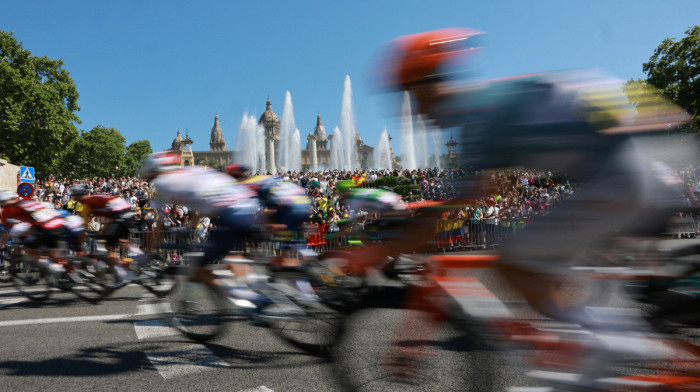
The third stage of the Tour de France will be closed to spectators on Monday (6 July) after a fast-moving wildfire in southwestern France prompted exc...
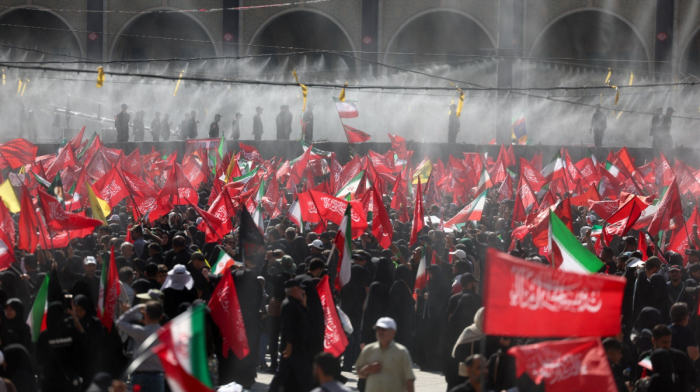
Thousands of mourners gathered in Tehran on Sunday as Iran held funeral prayers for Ayatollah Ali Khamenei and four members of his family on the secon...
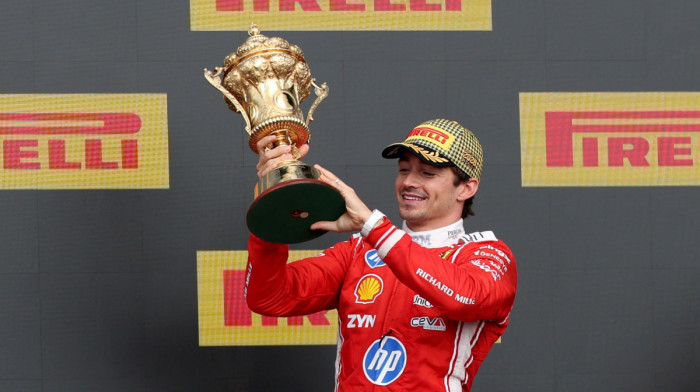
Ferrari's Charles Leclerc claimed victory in a dramatic British Grand Prix after a late Safety Car and mechanical problems for rivals reshaped the rac...
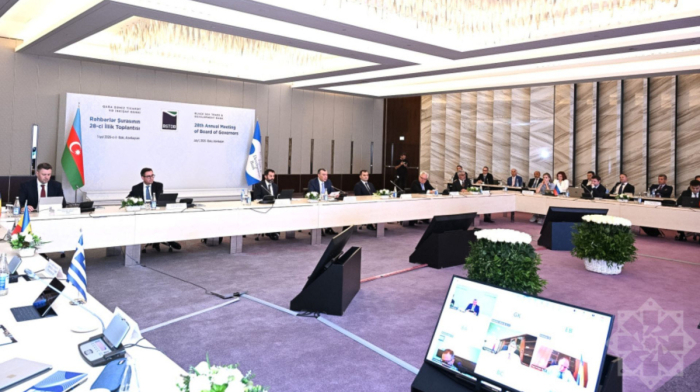
Regional economic cooperation took centre stage in Baku as the 28th Annual Meeting of the Board of Governors of the Black Sea Trade and Development Ba...
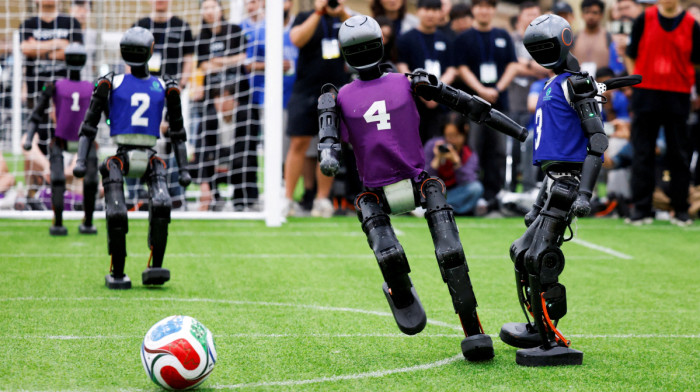
Humanoid robots stumbled, collided and recovered as they battled for the RoboCup 2026 football title on Sunday (5 July), showcasing the latest advance...
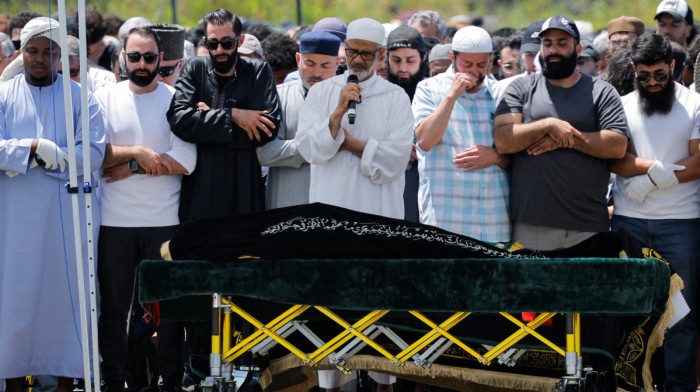
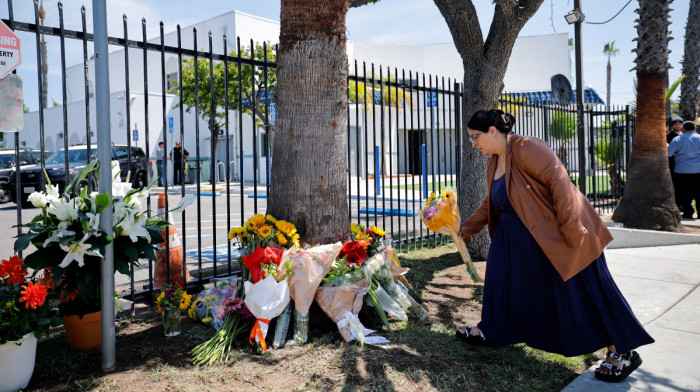
More than 2,000 people gathered in San Diego this week for funeral prayers honouring three men killed while trying to stop an attack at the Islamic Centre of San Diego, in what authorities are investigating as a suspected hate crime.
Investigators have discovered what officials described as “anti-Islamic writings” inside a vehicle connected to the two teenagers accused of carrying out the deadly shooting at a mosque in San Diego, according to a U.S. Department of Justice official familiar with the case.
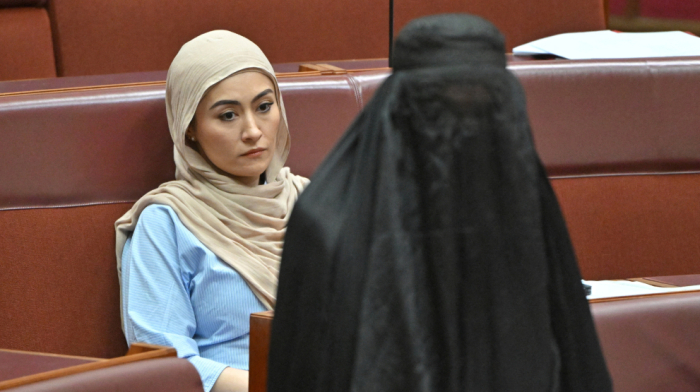
Australian far-right Senator Pauline Hanson was suspended from the Senate on Tuesday. This was prompted by her entering Parliament wearing a burqa on Monday, as part of her latest push to ban the face-covering Muslim garment in public.
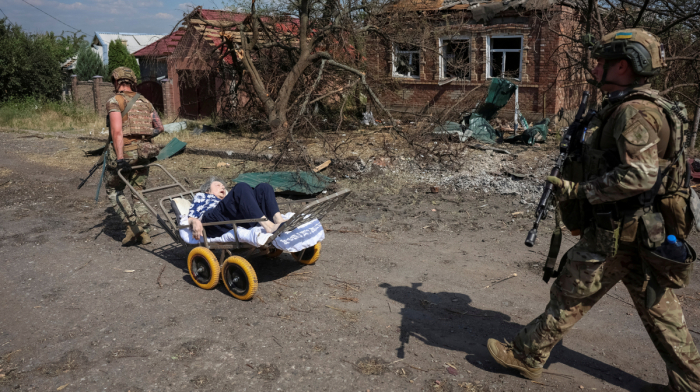
Russia's Defence Ministry has said its forces are clearing the town of Lyman in Donetsk of Ukrainian forces, Moscow's state news agency Tass reported. Meanwhile, Russian attacks killed at least six people across three Ukrainian regions on Friday, regional officials said.
President Donald Trump said Iran is keen to reach a deal with the United States, claiming Washington had paused engagement to allow funeral ceremonies for late Iranian Supreme Leader Ali Khamenei.
Governments are tightening restrictions on teenagers’ use of social media amid growing concerns over mental health, online safety and platform design, but questions remain over enforcement and whether bans can meaningfully change behaviour.
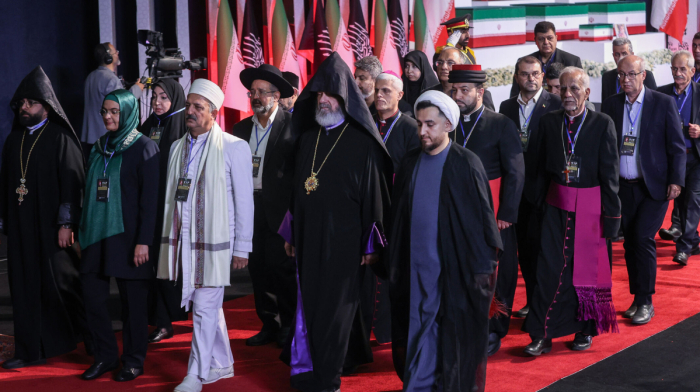
Thousands of mourners gathered in Tehran on Sunday as Iran held funeral prayers for Ayatollah Ali Khamenei and four members of his family on the second day of mass processions. Three of Khamenei's sons attended the ceremony, while his successor, Mojtaba Khamenei, made no public appearance.
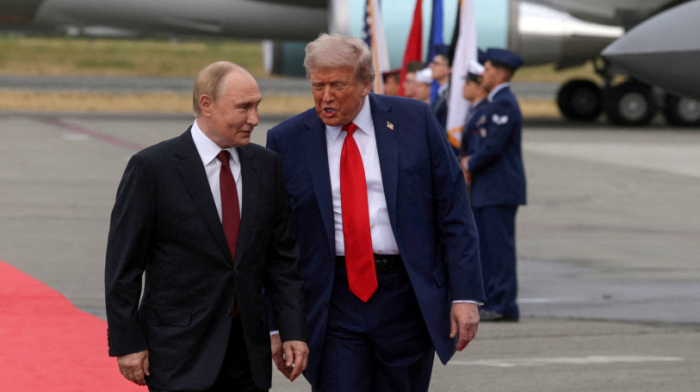
Russian President Vladimir Putin has congratulated U.S. President Donald Trump on the 250th anniversary of American independence, saying Russia and the United States share a special responsibility for maintaining global security as the world's two largest nuclear powers.
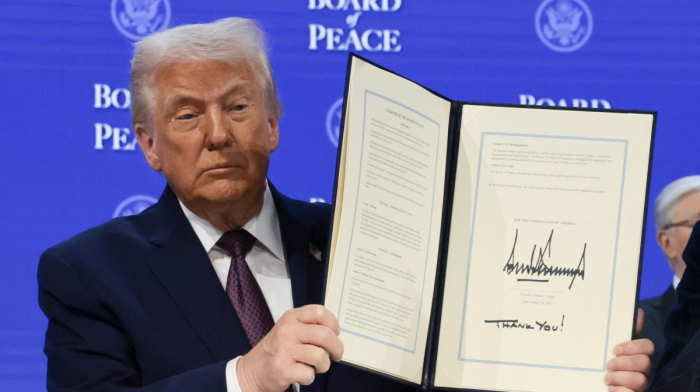
In a special edition of Context, Orkhan Amashov reports from Washington on the inaugural meeting of the Board of Peace, examining plans for Gaza’s reconstruction, a proposed stabilisation force, and the wider diplomatic impact of the U.S.-led initiative.
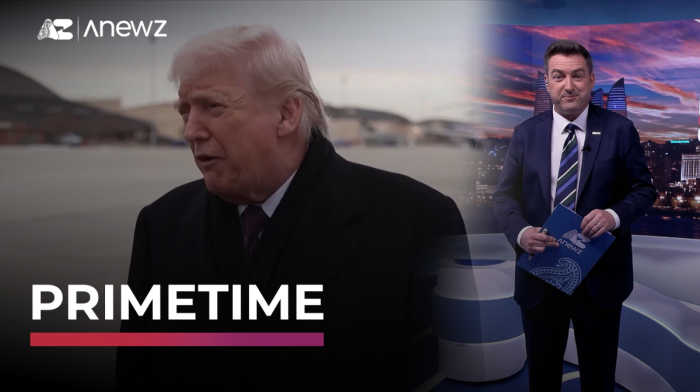
In today’s Prime Time, we covered the following conversations: Azerbaijan has shipped petroleum products to Armenia by rail for the first time in decades, marking a significant step toward economic cooperation and regional integration in the South Caucasus.











What is your opinion on this topic?
Leave the first comment