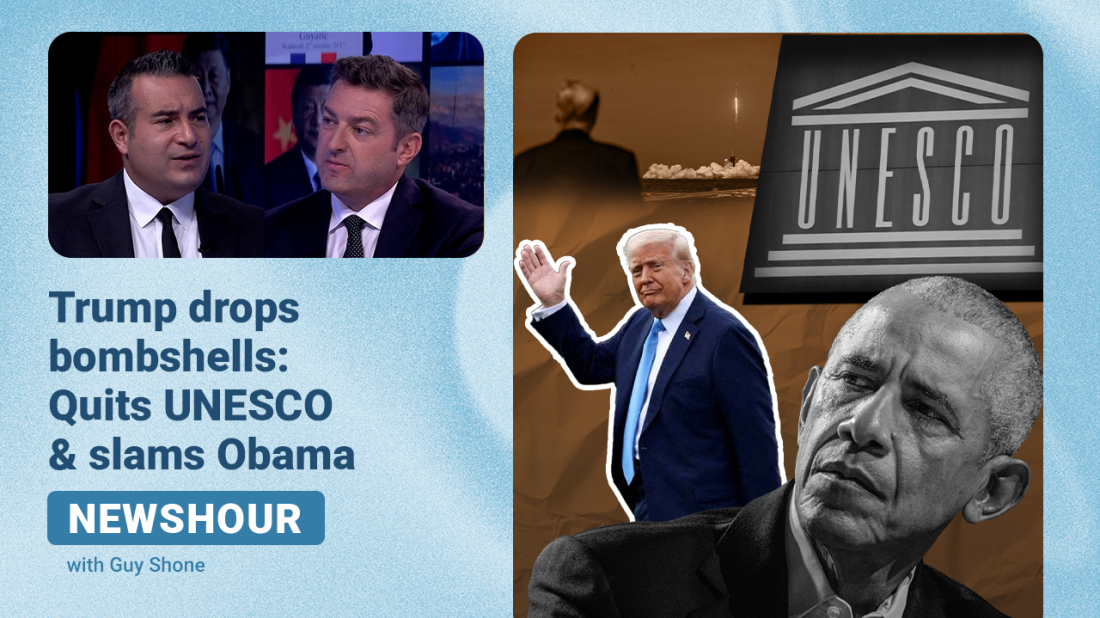
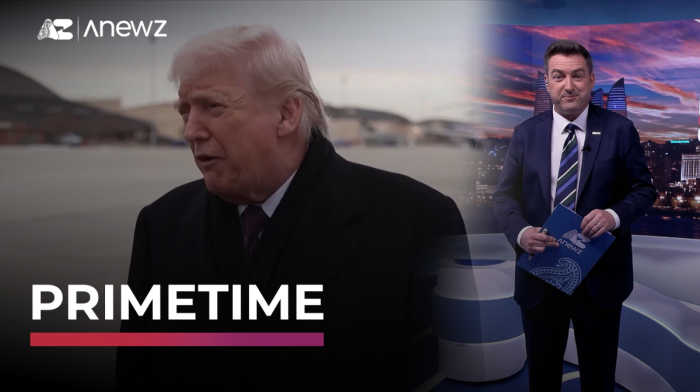
President Trump has announced the United States will once again withdraw from The United Nations Educational, Scientific and Cultural Organization (UNESCO), claiming the organisation no longer serves American interests. The move, echoing a similar decision during his first term, reignites concerns over Washington’s retreat from global cooperation. The State Department says the decision will take effect by the end of next year and cited “globalist ideology” and anti-Israel bias within UNESCO as key reasons.
In a separate development, Trump has accused a former president—Barack Obama—of treason, alleging a conspiracy to sabotage his 2016 campaign by fabricating ties to Russia. The claim comes without formal evidence and follows a statement from Trump’s intelligence chief, Tulsi Gabbard, referencing so-called declassified documents. However, official CIA and Senate findings contradict those assertions.
Critics argue the accusation may be a political smokescreen, especially as Trump faces pressure from his base to release files related to Jeffrey Epstein. The episode marks the most direct attack on Obama since Trump returned to office.
Our correspondent Nick Harper reports from Washington, and U.S. correspondent Oubai Shahbandar joins Guy Shone in studio for analysis.
United Nations Secretary-General Antonio Guterres has appealed to member states to urgently help plug a $100 million funding gap facing the UN agency ...
U.S. Vice President JD Vance has criticised the Vatican's stance on immigration, saying he disagrees with Pope Leo's repeated attacks on the Trump adm...
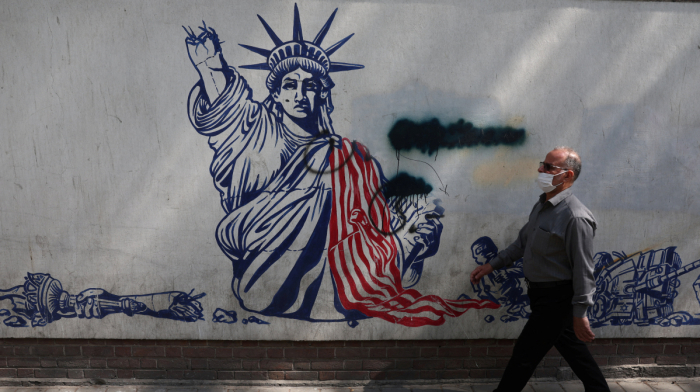
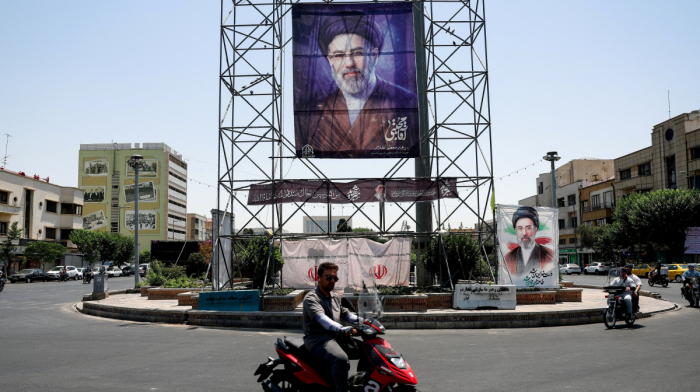
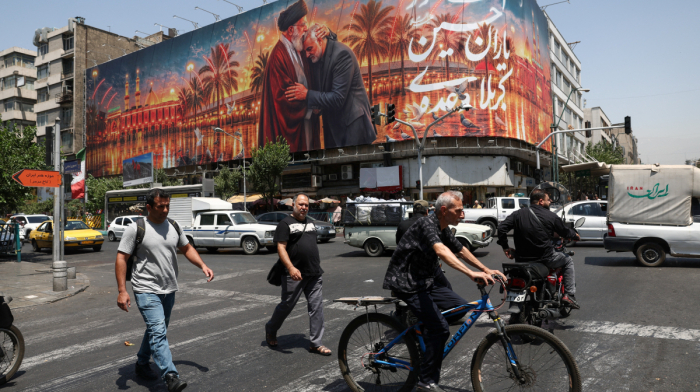
Iran has ruled out direct talks with senior U.S. envoys in the Gulf, saying any contact will take place through Qatari mediators. Meanwhile, Steve Wit...
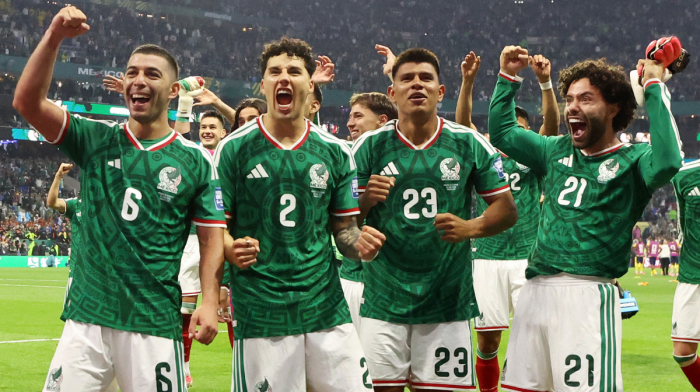
Mexico ended their 40-year wait for a World Cup knockout win, while Erling Haaland sent Norway through and Kylian Mbappé fired France into the last 1...
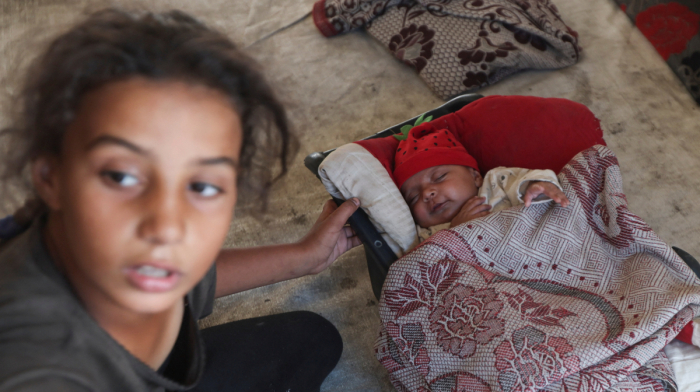
United Nations Secretary-General Antonio Guterres has appealed to member states to urgently help plug a $100 million funding gap facing the UN agency for Palestinian refugees, warning it is close to "breaking point" after months of deep spending cuts.
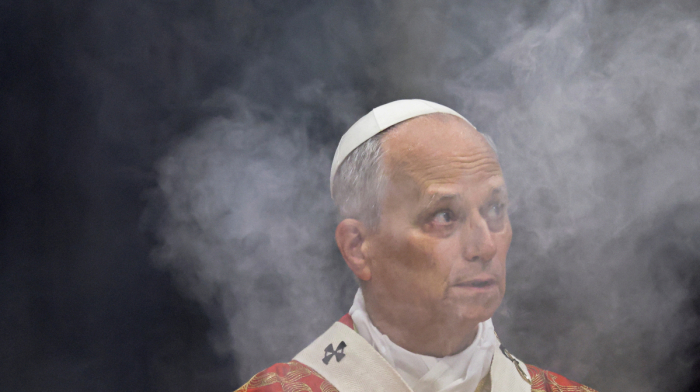
U.S. Vice President JD Vance has criticised the Vatican's stance on immigration, saying he disagrees with Pope Leo's repeated attacks on the Trump administration's border policies.
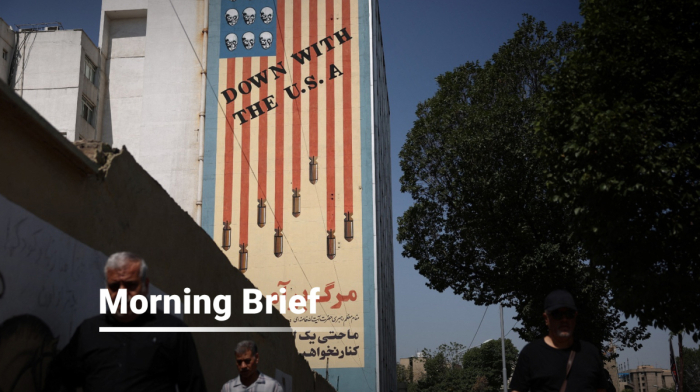
Iran has ruled out direct talks with senior U.S. envoys in the Gulf, saying any contact will take place through Qatari mediators. Meanwhile, Steve Witkoff and Jared Kushner have met in Doha with Qatar's PM Sheikh Mohammed bin Abdulrahman bin Jassim Al Thani.
Iranian and U.S. negotiating teams were due in Doha this week, but Iran said on Monday no meeting had been scheduled as weekend missile fire from both sides tested the interim ceasefire to end the four-month-old war.
The U.S. and Iran have agreed to 'stand down' and resume technical talks, allowing vessels allowed to move freely under the interim peace deal, a U.S. official said.
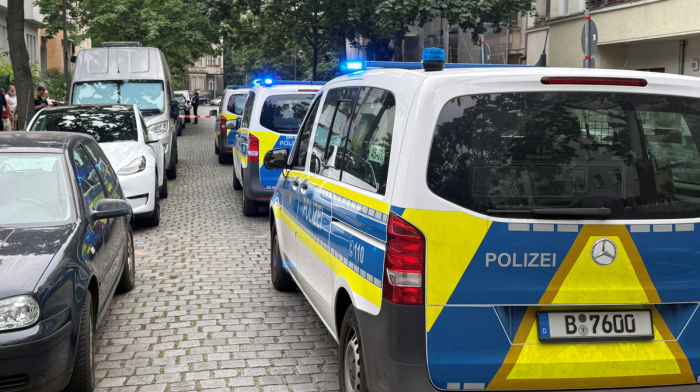
Six adults were killed in a shooting at a youth welfare facility in northern Germany on Monday, with police detaining two people, including the suspected gunman.
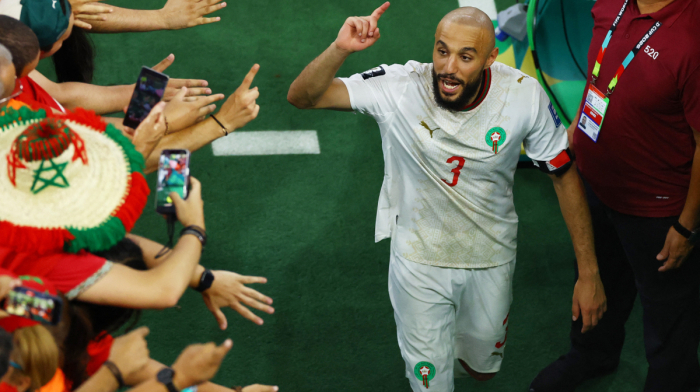
Morocco held their nerve to beat the Netherlands on penalties after a dramatic late equaliser, Gabriel Martinelli spared Brazil's blushes with a stoppage-time winner against Japan, while Paraguay stunned Germany in the tournament's biggest shock to reach the World Cup last 16.
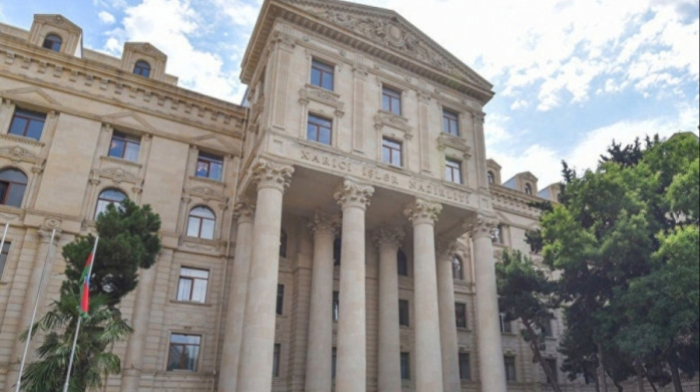
Azerbaijan has criticised Israel’s recent decision to recognise the 1915 events involving Armenians as genocide, warning against politicising historical narratives. The response comes after Israel’s cabinet approved the proposal, which still requires parliamentary ratification.
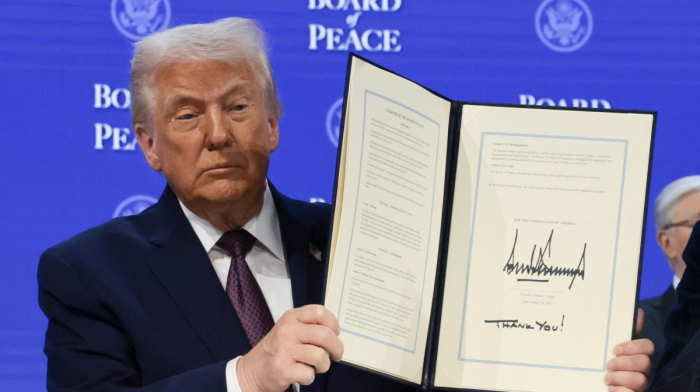
In a special edition of Context, Orkhan Amashov reports from Washington on the inaugural meeting of the Board of Peace, examining plans for Gaza’s reconstruction, a proposed stabilisation force, and the wider diplomatic impact of the U.S.-led initiative.
In today’s Prime Time, we covered the following conversations: Azerbaijan has shipped petroleum products to Armenia by rail for the first time in decades, marking a significant step toward economic cooperation and regional integration in the South Caucasus.










What is your opinion on this topic?
Leave the first comment