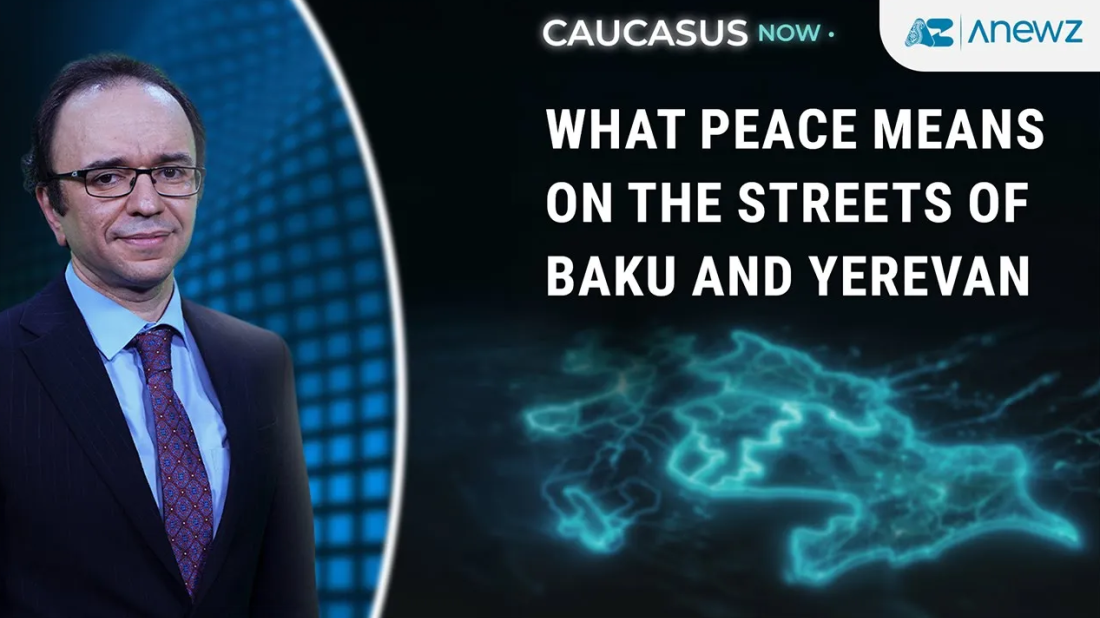
In this special episode of Caucasus Now, host Orkhan Amashov goes beyond the headlines and diplomatic negotiations to explore the most crucial element of a lasting peace between Armenia and Azerbaijan: the will of the people. As the two nations move closer to a formal agreement, this report turns to the streets of Yerevan and Baku to ask ordinary citizens the fundamental question: "How do you see peace between Armenia and Azerbaijan?"
Through a series of compelling "man-on-the-street" interviews, this program captures the complex, emotional, and often contradictory views of those who have lived with the consequences of war. It's a powerful look at how peace is imagined, hoped for, and resisted in the hearts and minds of everyday people.
Russian President Vladimir Putin has congratulated U.S. President Donald Trump on the 250th anniversary of American independence, saying Russia and th...
China said on Saturday it had launched a coast guard patrol east of Taiwan, prompting a strong protest from Taipei, which accused Beijing of illegally...
Armenia's parliament has passed a new law raising the requirements for citizens living abroad to vote in national elections, following concerns over a...
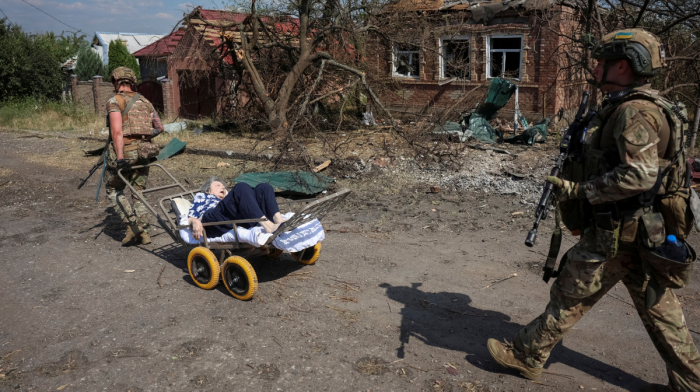
Russian attacks killed at least six people across three Ukrainian regions on Friday, regional officials said, as Ukrainian strikes on Russian energy i...
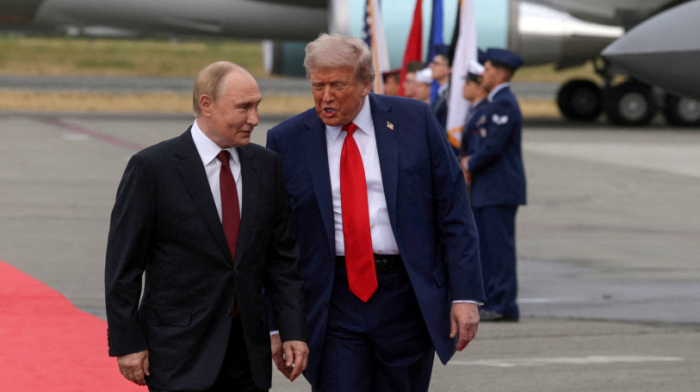
Russian President Vladimir Putin has congratulated U.S. President Donald Trump on the 250th anniversary of American independence, saying Russia and the United States share a special responsibility for maintaining global security as the world's two largest nuclear powers.
China said on Saturday it had launched a coast guard patrol east of Taiwan, prompting a strong protest from Taipei, which accused Beijing of illegally expanding its authority and undermining regional stability.
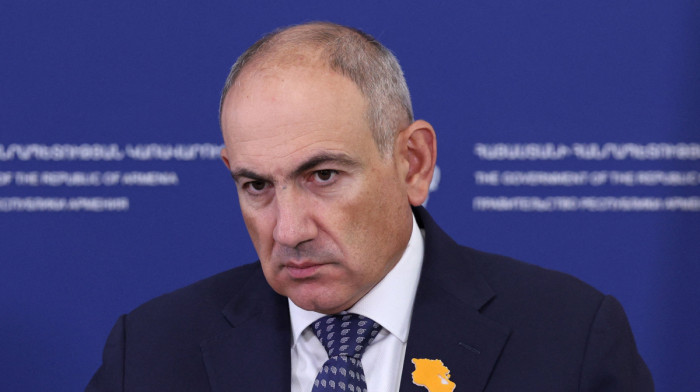
Armenia's parliament has passed a new law raising the requirements for citizens living abroad to vote in national elections, following concerns over alleged efforts to influence last month's parliamentary vote through Armenian citizens residing in Russia.
India is investigating a data breach at Tata Electronics that exposed sensitive documents linked to Apple's unreleased iPhone 18 Pro, marking the government's first public comments on the incident.
The World Meteorological Organization (WMO) has raised its forecast for the rapid emergence of a strong El Niño, warning the climate pattern is likely to drive higher global temperatures and intensify extreme weather in the months ahead.
Iran and the U.S. have concluded indirect talks in Doha without a major breakthrough, with discussions focused on maritime traffic in the Strait of Hormuz and frozen Iranian funds. Both sides are expected to meet again after the funeral of Ayatollah Ali Khamenei.
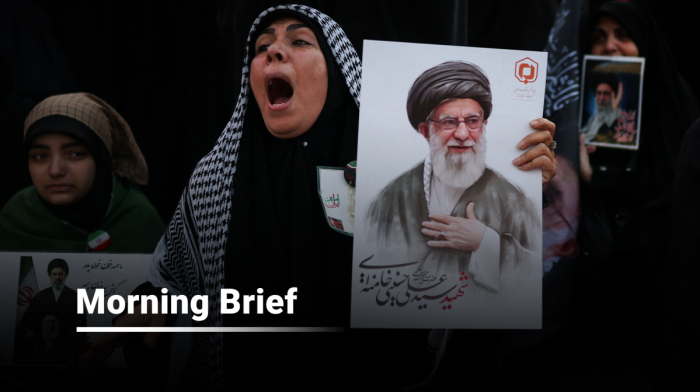
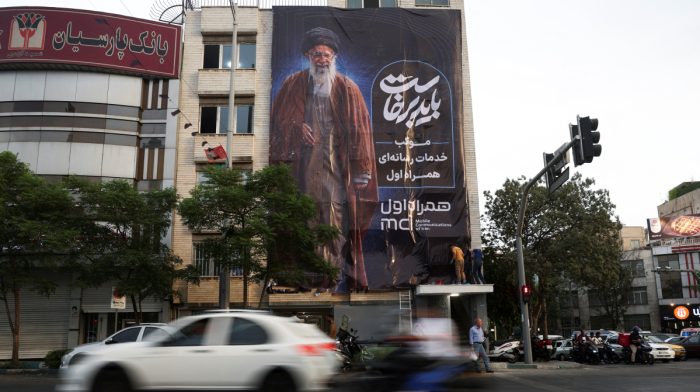
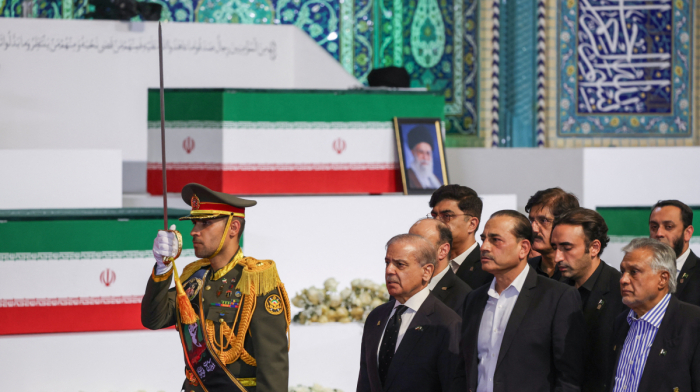
International politicians and religious leaders have paid respects to Iran's late Supreme Leader Ali Khamenei throughout the day, ahead of his six day funeral ceremony which begins on Saturday. His casket is currently on display at the Iman Khomeini Grand Mosalla in Tehran.
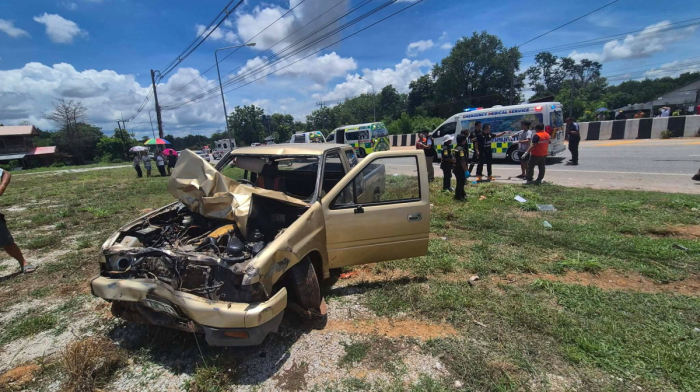
Eight Buddhist monks were killed and more than 20 others injured after an 11-year-old boy driving his parents' pickup truck ploughed into a religious procession in north-eastern Thailand, police said.
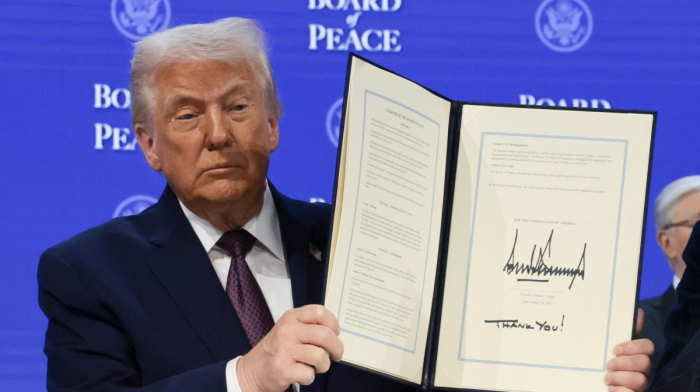
In a special edition of Context, Orkhan Amashov reports from Washington on the inaugural meeting of the Board of Peace, examining plans for Gaza’s reconstruction, a proposed stabilisation force, and the wider diplomatic impact of the U.S.-led initiative.
In today’s Prime Time, we covered the following conversations: Azerbaijan has shipped petroleum products to Armenia by rail for the first time in decades, marking a significant step toward economic cooperation and regional integration in the South Caucasus.














What is your opinion on this topic?
Leave the first comment