President Donald Trump warned Iran he would target power plants and bridges unless it reopened the Strait of Hormuz by Tuesday night - but what actually happened?
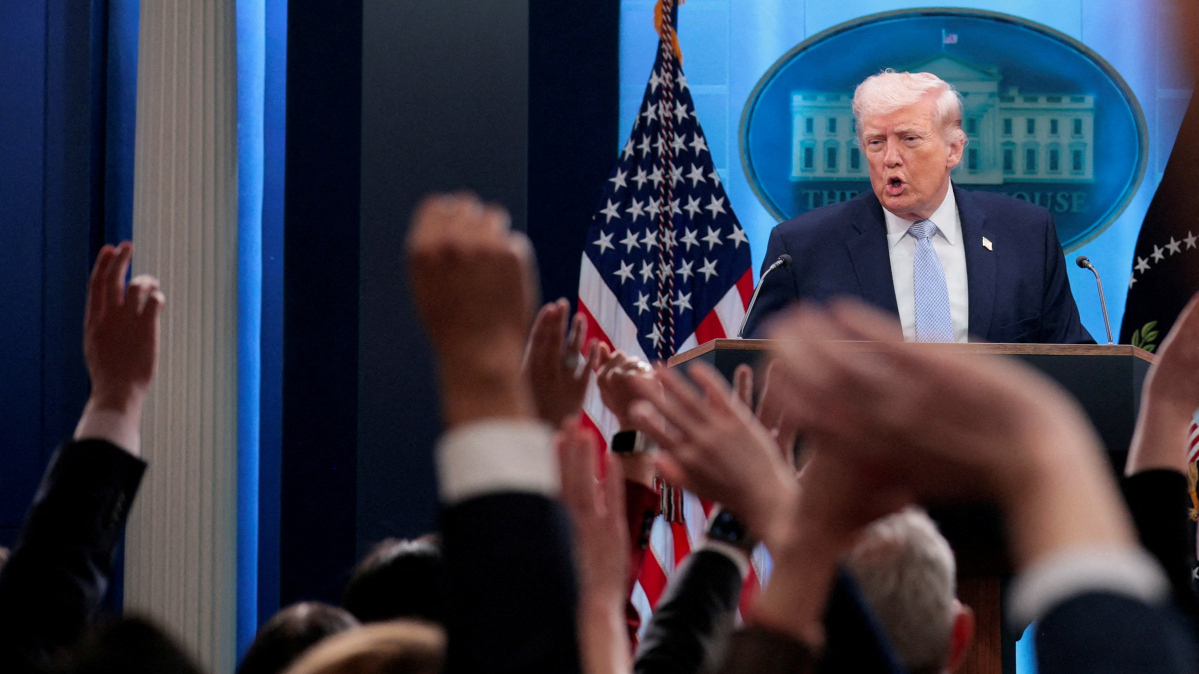
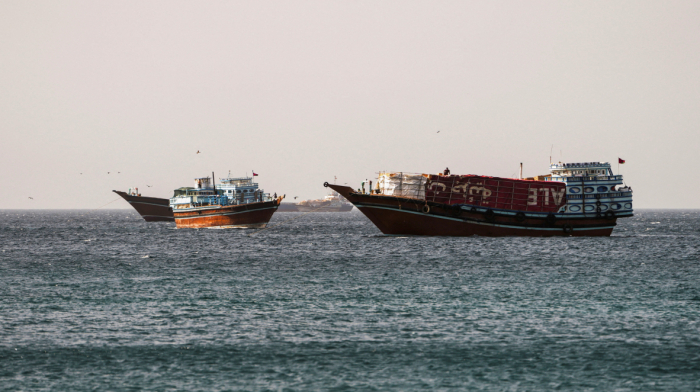
Trump said Iran must end its blockade of the Strait of Hormuz by 8pm Washington time (midnight GMT) on Tuesday (7 April), warning he would otherwise destroy bridges and power plants across the country.
Trump first issued an ultimatum to Iran on 22 March, writing in a post on social media platform Truth Social that if Iran did not open the Strait of Hormuz within 48 hours, the U.S. would “hit and obliterate” the country’s energy infrastructure.
The following day, he extended the deadline by five days, saying that Iran and the U.S. had had “very good and productive conversations” in a post on Truth Social.
Trump prolonged the deadline once more, but has since repeatedly reaffirmed the Tuesday deadline. He has also continued to threaten to target power plants and transport infrastructure if the deadline is not met.
With only hours remaining before the Tuesday night deadline, Trump made his strongest remarks yet on Truth Social, warning Iran that “a whole civilisation will die tonight, never to be brought back,” if a deal was not reached with the U.S.
How did Iran react to Trump's threats?
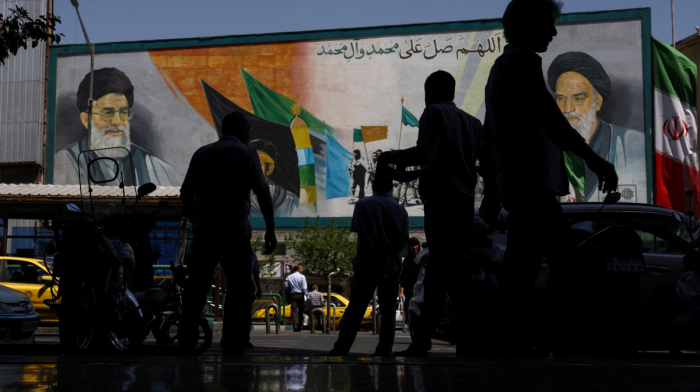
Iran responded defiantly to President Trump’s threat of imminent military action, making clear it would not be pressured into concessions by deadlines or warnings. Tehran publicly dismissed the ultimatum, insisting it would continue to defend its interests and blaming the crisis on U.S. and Israeli actions, while signalling that any de‑escalation would have to be reciprocal rather than imposed under threat.
What has actually happened
After U.S. President Donald Trump set a Tuesday night deadline and threatened sweeping attacks on Iran if no agreement was reached, diplomatic efforts intensified behind the scenes, led by Pakistan. With just minutes remaining before the deadline, Pakistan’s Prime Minister, Shehbaz Sharif, announced that the negotiations he had been mediating had produced a breakthrough.
Iran and the United States, along with their allies, agreed to an immediate ceasefire covering all areas, including Lebanon and elsewhere, averting a major escalation.
The ceasefire was declared effective immediately, with President Sharif welcoming the deal and inviting all sides to Islamabad for further talks aimed at securing a long‑term settlement.
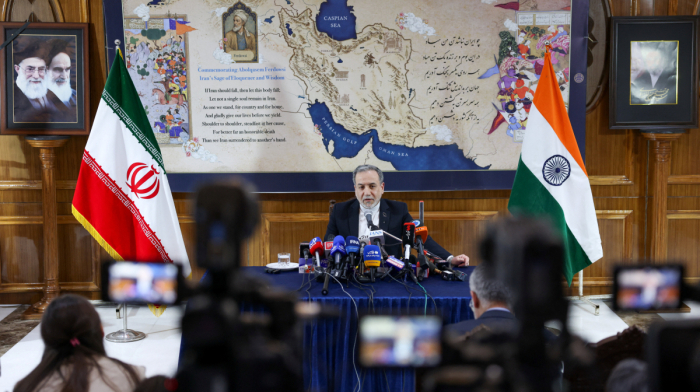
Iran’s Foreign Minister Abbas Araghchi said Tehran would halt its military operations across the Gulf, provided that attacks stopped, adding that safe passage through the Strait of Hormuz would be allowed for two weeks in coordination with Iranian forces.
The white house later hailed the agreement as a victory, saying the U.S. had achieved its objectives, while attention now turns to whether the fragile truce can hold and be developed into a broader agreement.














What is your opinion on this topic?
Leave the first comment