Kazakhstan eyes new Caspian energy routes, minister tells AnewZ
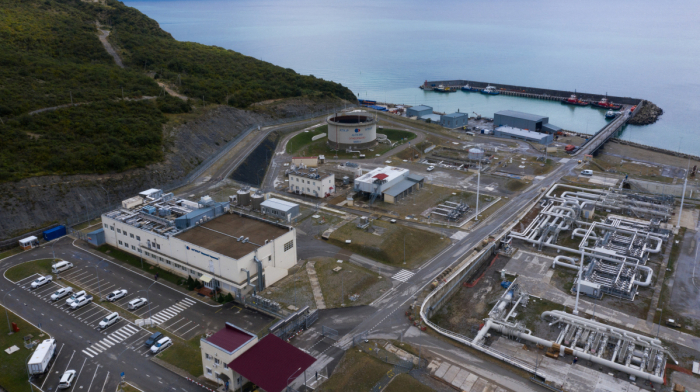
Kazakhstan is open to expanding its oil export routes through Azerbaijan and advancing joint energy infrastructure projects across the Caspian region,...
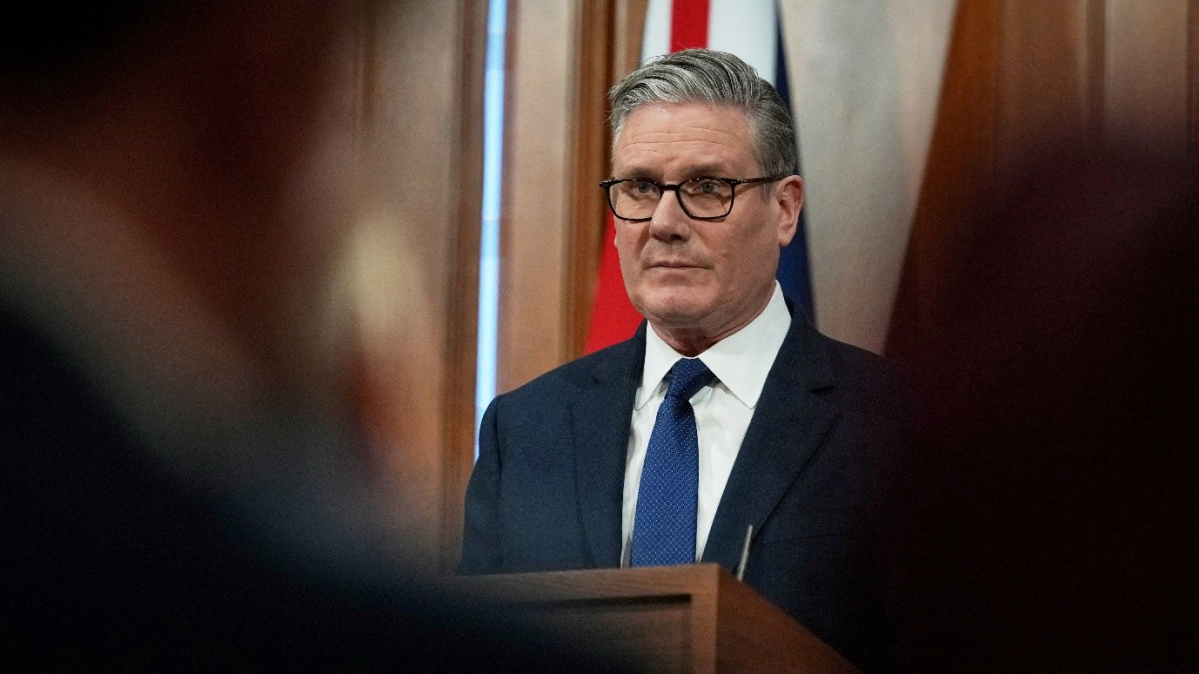
UK's Prime Minister Sir Keir Starmer has welcomed a ceasefire between Iran and the United States, that was reached overnight, as he travels to the Gulf to support diplomatic efforts to sustain the agreement and stabilise the region.
Starmer said the deal would bring “a moment of relief” globally but stressed the need to turn the pause in fighting into a lasting agreement.
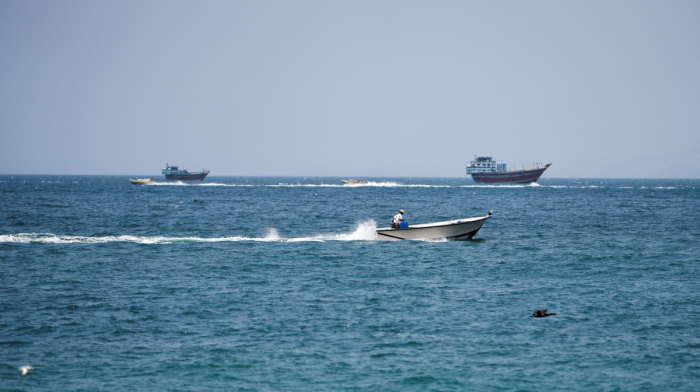
Downing Street said the Prime Minister will hold talks with regional leaders to support and uphold the ceasefire, with a focus on reopening the Strait of Hormuz a key global shipping route.
In first comments on the deal, Starmer said, "Together with our partners we must do all we can to support and sustain this ceasefire, turn it into a lasting agreement and re-open the Strait of Hormuz."
He's also expected to meet UK military personnel in the region as part of his Gulf trip, which was planned before the ceasefire announcement.
It follows Foreign Secretary Yvette Cooper's virtual summit with representatives of more than 40 nations last week, discussing plans to reopen the Strait.
Conservative figures including former foreign secretary James Cleverly who said the pause in fighting must now be used to pressure Iran into long-term changes. He said the ceasefire is an "opportunity for Iran to make some serious choices" about how it behaves at home and abroad.
The agreement comes after U.S. President Donald Trump warned Iran of severe consequences if it failed to end hostilities and unblock the Strait, prompting renewed calls from Westminster for de-escalation.
The ceasefire, agreed on Tuesday (7 April) shortly before a deadline set by Washington was set to end, remains conditional. In a post on Truth Social, Trump said it depended on Iran agreeing to the “complete, immediate, and safe opening” of the waterway.
Iran’s Foreign Minister, Abbas Araghchi, said Tehran would agree to the ceasefire if attacks against the country stopped. He added that safe passage through the Strait would be guaranteed for a two-week period.
The conflict began 28 February after coordinated strikes by the U.S. and Israel, driven by concerns over Iran’s nuclear programme. Tehran responded with attacks across the Gulf and the wider Middle East, including disruption to maritime traffic.
The Strait of Hormuz carries around a fifth of the world’s energy shipments, and the escalation led to sharp increases in global oil prices, as well as rising petrol and diesel costs.

U.S. rapper Kanye West, now known as Ye, performed to a crowd of 118,000 people in Istanbul on Saturday night, marking his first concert in Europe in more than a decade, despite being barred from performing in several countries over past antisemitic remarks.
Okinawa lost transport links and suffered widespread power outages on Monday (1 June) as Severe Tropical Storm Jangmi brought destructive winds and heavy rain to Japan's south-western islands.
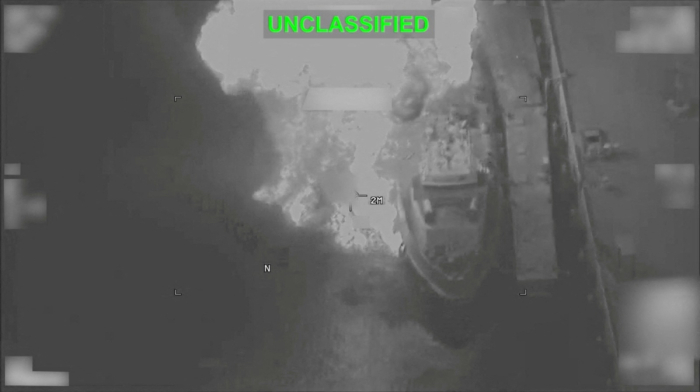
Donald Trump said he is “in no hurry” to reach a deal with Iran, insisting the U.S. is slowly getting what it wants. He warned military action remains an option if talks fail. Meanwhile, U.S. forces said they fired a missile at a vessel trying to breach Washington’s blockade of Iran.
The World Health Organisation’s designation of the Bundibugyo Ebola virus outbreak as a Public Health Emergency of International Concern (PHEIC) is a stark reminder that Ebola remains a persistent global health threat rather than a disease of the past.
U.S. Secretary of State Marco Rubio has held talks with Lebanese President and Israeli Prime Minister on efforts to ease tensions between Israel and Lebanon. According to a U.S. official, Washington has proposed a plan aimed at achieving a gradual de-escalation of hostilities.
Iran’s Revolutionary Guards (IRGC) said on Monday they targeted the source of an attack on a telecom facility on Sirik Island near the strategic Strait of Hormuz, Tasnim News Agency reported.
Iran really wanted to make a deal with the U.S. and that it would be a good one for Washington and its allies, President Donald Trump said on Monday.
Iran has strongly condemned U.S. threats to impose sanctions on and bomb Oman following reported talks between Muscat and Tehran on jointly overseeing the Strait of Hormuz, reiterating that the Islamic Republic’s actions in the strategic waterway are “lawful”.
The United States has warned Oman against supporting any effort to impose tolls in the Strait of Hormuz, saying Washington would penalise any parties involved in facilitating such a system.
The Islamic Revolution’s Guards Corps of Iran (IRGC) said it carried out a retaliatory attack on a U.S. airbase in the early hours of Thursday. The airbase was used to target a ground control station on the outskirts of Bandar Abbas Airport in Hormuzgan Province, which faces the Strait of Hormuz.
You can download the AnewZ application from Play Store and the App Store.
What is your opinion on this topic?
Leave the first comment