President Aliyev highlights security, unity and peace in New Year address
President Ilham Aliyev said Azerbaijan ended 2025 as a year of peace, security and stability, stressing that unity between the people and the governme...
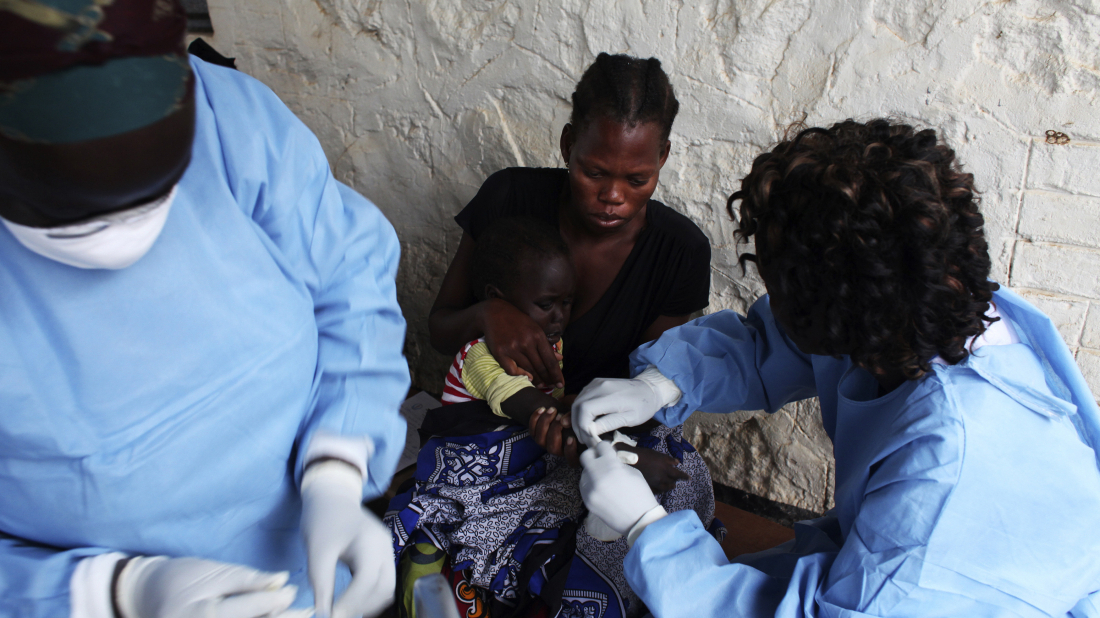
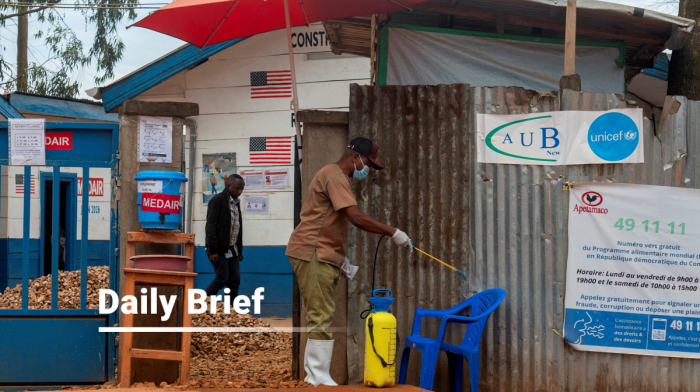
Sudan’s Khartoum State faces a sharp rise in cholera cases, with hundreds infected weekly amid deteriorating conditions following recent conflict.
Sudan’s Ministry of Health announced on Saturday that hundreds of cholera cases have been reported in Khartoum State over the past four weeks.
Health Minister Haitham Mohamed Ibrahim said in a press release that weekly cholera cases surged to between 600 and 700 in the last month. The increase followed the liberation of Khartoum State and the return of residents from Jabal Awliya and Al Salha, which caused worsening environmental conditions and limited access to clean drinking water.
On Tuesday, the Sudanese army declared it had regained full control of Khartoum State after taking the last Rapid Support Forces (RSF) stronghold in Al Salha, Omdurman.
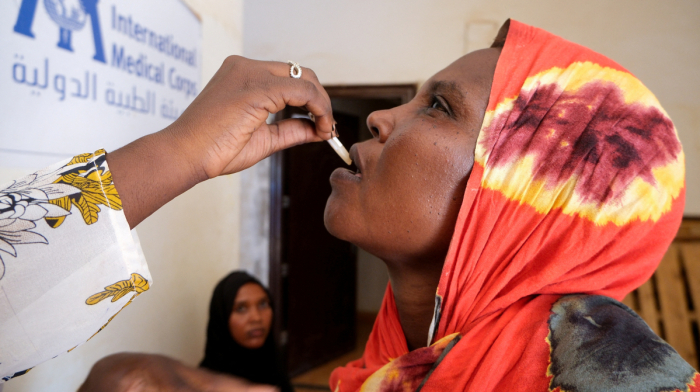
Minister Ibrahim added that the Federal Health Emergency Room is actively monitoring the situation and taking necessary steps to contain the outbreak. A cholera vaccination campaign is expected to begin soon, which should help reduce infection rates in the coming weeks.
The Sudan Doctors Network issued an urgent call on Friday to address the growing health crisis. On Thursday alone, nine people died and 521 new cholera patients were admitted to Al-Naw Teaching Hospital in Omdurman.
According to official statistics from May 6, Sudan has recorded 60,993 cholera cases and 1,632 deaths since the outbreak was declared a national epidemic on August 12.
Following recent military gains, the Sudanese army now controls most of Khartoum State, including Khartoum, Bahri, Omdurman, and East Nile. The RSF retains control only over parts of North and West Kordofan, South Kordofan, Blue Nile, and most of Darfur’s states.
Since April 2023, conflict between the Sudanese army and RSF has led to thousands of deaths and one of the worst humanitarian crises worldwide. The UN and local officials estimate over 20,000 deaths and 15 million displaced people, while independent research suggests the toll may be as high as 130,000.

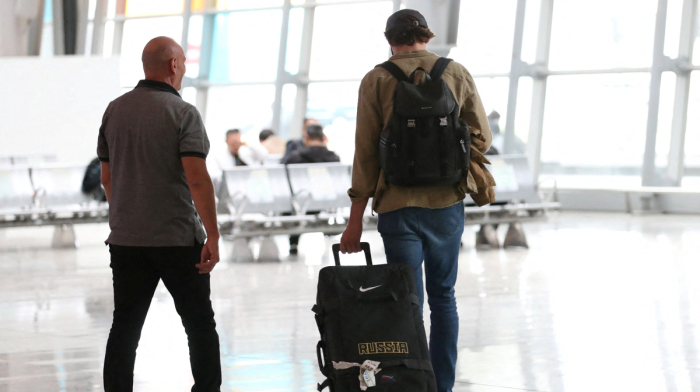
The Russian radio station known as 'Doomsday Radio' (or UVB-76) unexpectedly began playing ‘Swan Lake’, music from a ballet composition. The last time this was done was during the deaths of Soviet-era leaders and the 1991 coup.
Protests in Iran over soaring prices and a plunging rial have spread to universities in Tehran, as students join shopkeepers and bazaar merchants in demanding government action. With inflation above 42% and the rial at record lows, unrest continues to grow across the country.
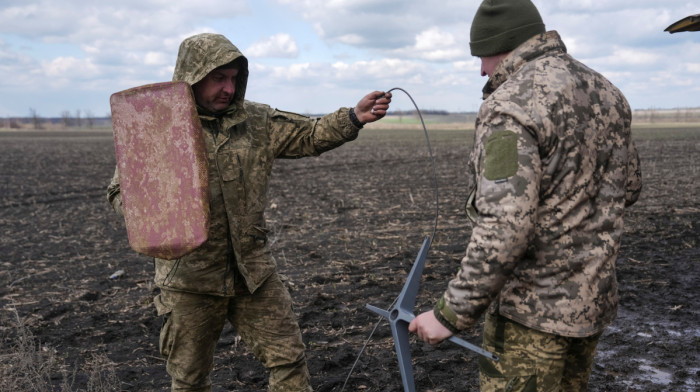
As Russia’s war in Ukraine enters its fourth year, rising casualties, economic struggles, and mounting unrest expose cracks in society. Despite Kremlin propaganda, frustration is growing as more Russians question the government’s narrative, according to The Washington Post.
The head of Yemen’s Presidential Council, Rashad al-Alimi, has ordered all forces linked to the United Arab Emirates to leave Yemen within 24 hours.
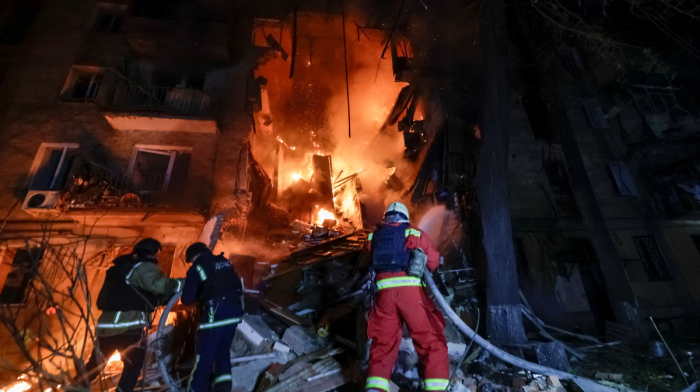
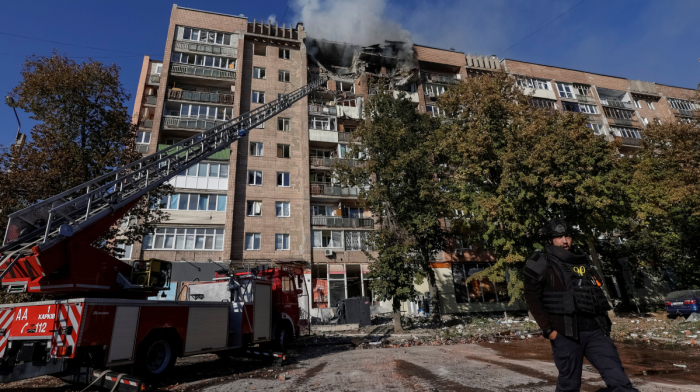
European leaders held talks on Ukraine after Russia said it would revise its negotiating position, citing an alleged Ukrainian drone attack that Kyiv has firmly denied.
An international scientific-practical congress marking the 90th anniversary of the Azerbaijan State Advanced Training Institute for Doctors named after Aziz Aliyev has opened in Baku.
China has announced plans to fully cover childbirth-related costs for families as authorities move to incentivise young couples to have more children.
World Health Organization (WHO) Director-General Tedros Adhanom Ghebreyesus said on Thursday that he still hopes the U.S. administration will reconsider its decision to withdraw from the organisation next month, warning that its exit would be a loss for the world.
The United States has signed significant health cooperation agreements with Uganda and Lesotho, further strengthening bilateral relations and advancing global health initiatives, the U.S. State Department announced on Wednesday.
A viral claim circulating online that Denmark requires sperm donors to have an IQ of at least 85 is misleading. While one Danish sperm bank, Donor Network, does use an IQ threshold, there is no nationwide legal requirement for donors to meet a specific level of intelligence.
You can download the AnewZ application from Play Store and the App Store.
What is your opinion on this topic?
Leave the first comment