Denmark urges EU to tighten Russian visa restrictions after alleged assassination plot
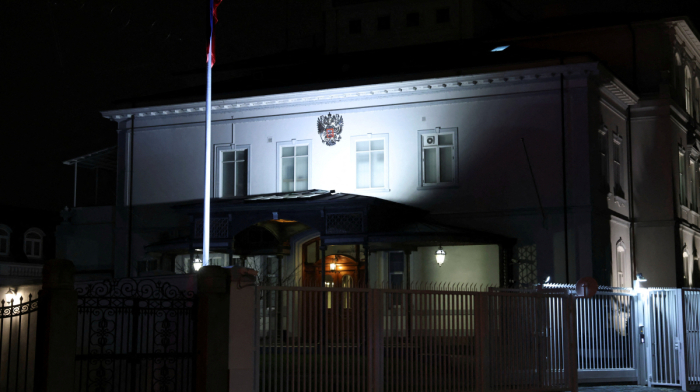
Denmark has urged European Union countries to introduce tougher travel restrictions on Russian nationals following allegations that Moscow's in...
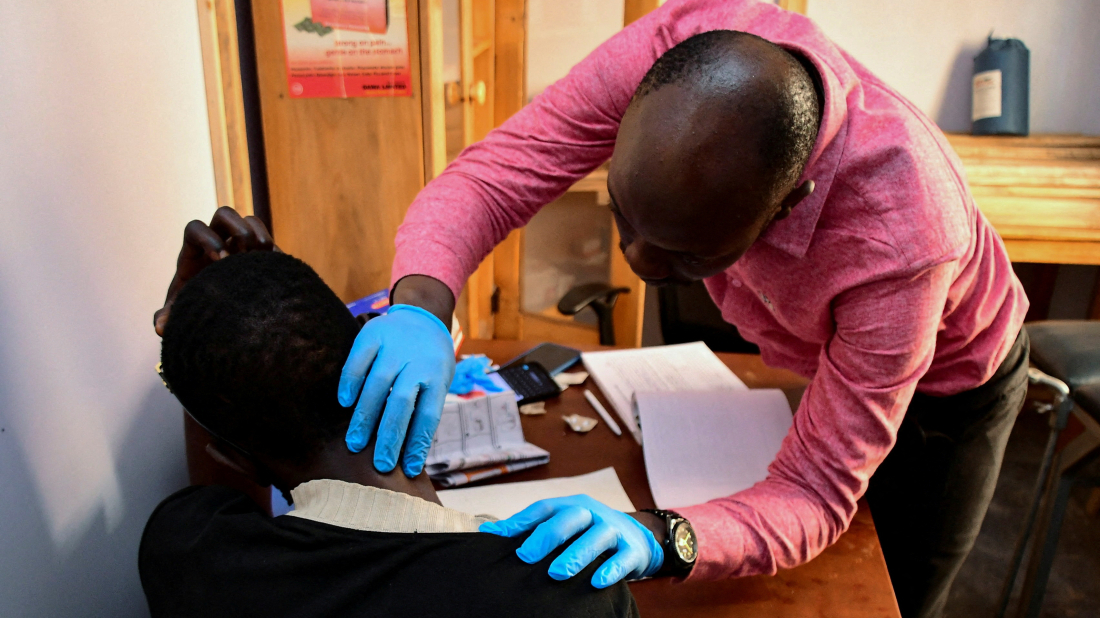
The U.S. State Department clarified on Saturday that the President's Emergency Plan for AIDS Relief (PEPFAR)—the world’s largest HIV initiative—is exempt from the 90-day pause on foreign aid ordered by President Donald Trump.
Shortly after taking office on January 20, Trump halted all foreign aid contributions for review under his "America First" policy. While emergency food aid was granted an exemption earlier, the lack of clarity left aid organizations uncertain about which programs could continue.
The State Department's Bureau of Global Health Security and Diplomacy issued a formal memo confirming that PEPFAR remains operational, allowing for:
HIV care and treatment, including testing and counseling
Prevention and treatment of infections such as tuberculosis (TB)
Laboratory services and medicine supply chains
Mother-to-child HIV transmission prevention
The memo stated that all other activities not explicitly mentioned require express approval.
PEPFAR directly supports over 20 million people living with HIV worldwide, accounting for two-thirds of all those receiving treatment.
Meanwhile, the wider foreign aid freeze remains in place. As of Tuesday, all U.S. Agency for International Development (USAID) payments were suspended, marking the first halt in funding since October 1.
Additionally, sources indicate that the Trump administration is considering placing USAID under direct State Department control, a move that would significantly reshape U.S. foreign aid policy.
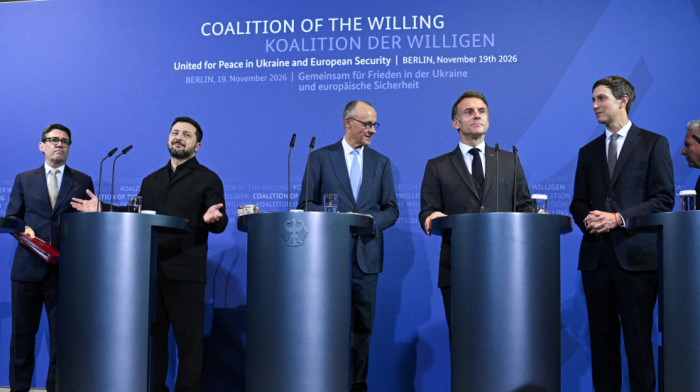
European leaders backing Ukraine met in Berlin on Thursday 19 November and warned that no peace deal should be settled without them.
Three people have been killed and around 15 injured after Russian ballistic missiles struck three bridges over the Dnipro River in Kyiv, according to the Ukrainian capital’s mayor, Vitali Klitschko.
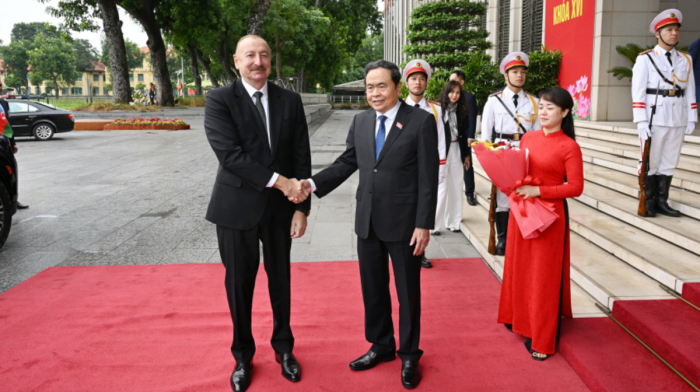
Azerbaijani President Ilham Aliyev met Vietnamese Prime Minister Le Minh Hung in Hanoi on 20 November, during a visit highlighting the longstanding friendship and growing strategic partnership between the two countries.
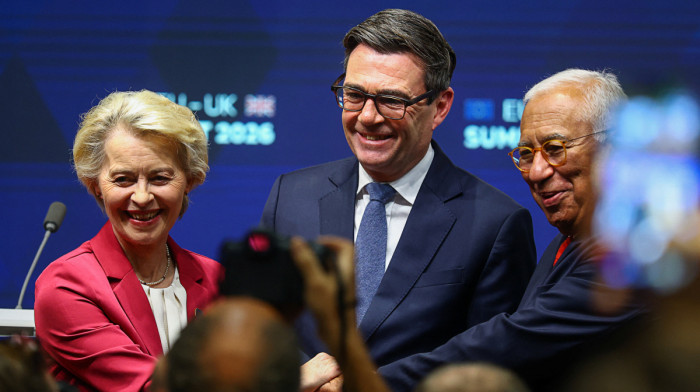
Britain and the European Union have reached an agreement to ease trade, expand opportunities for young people and deepen economic ties, in a major step towards rebuilding relations after Brexit.
Georgia has declared 22 November 2026 a national day of mourning following a deadly residential building collapse in the Kvemo Ponichala district of Tbilisi.
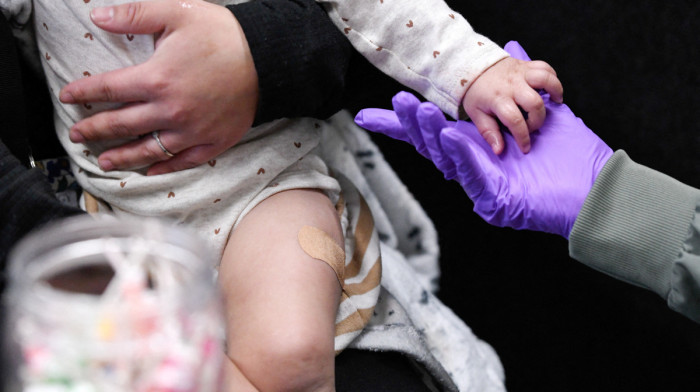
For the first time in more than a quarter of a century, the United States can no longer say it has eliminated measles as health experts warn the American outbreak reflects a collapse in trust in vaccines.
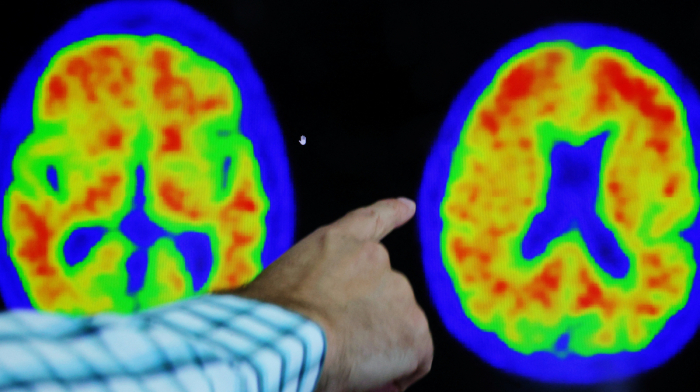
A new study in mice suggests the brain’s protective barrier does more than block harmful substances. It also delivers essential proteins from the body, a process that may break down early in Alzheimer’s disease and offer a new target for treatment.
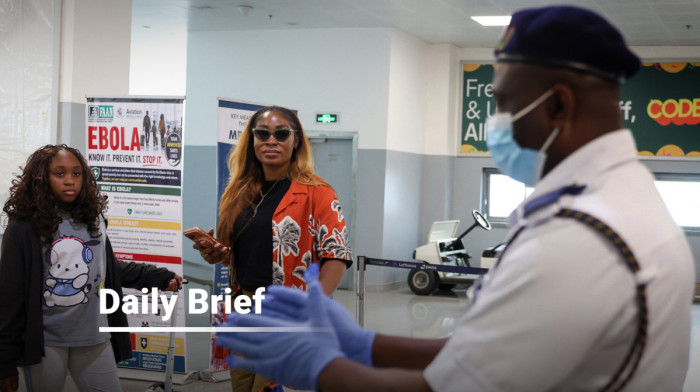
Here's your AnewZ Daily Brief for the 5th of November, as health emergencies, humanitarian crises, political shifts, and cybersecurity threats put governments and essential services under pressure across the globe. Here are five stories worth your attention.
Kazakhstan plans to manufacture 494 types of medicines through eight major investment projects worth a combined $862 million, Health Minister Akmaral Alnazarova announced on 3 November, local media reported.
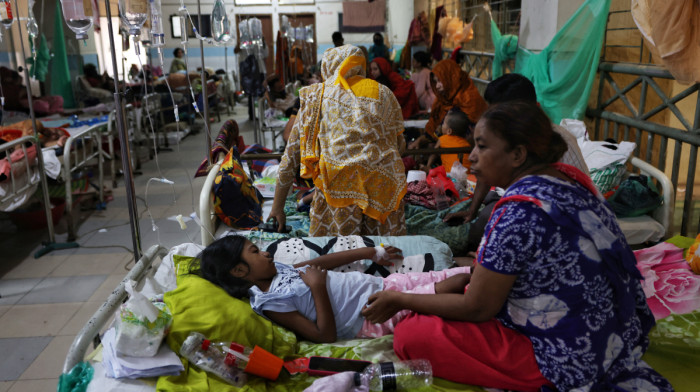
Dengue fever has killed more people in Bangladesh this year than in the whole of 2025, with October the deadliest month so far, data from Bangladesh's Health Ministry shows.
You can download the AnewZ application from Play Store and the App Store.
What is your opinion on this topic?
Leave the first comment