The Green Climate Fund (GCF)-backed project, “Strengthening Climate Resilience of Vulnerable Agricultural Livelihoods in Southern Iraq” (SRVALI), was officially launched on the sidelines of the 5th Baghdad International Water Conference.
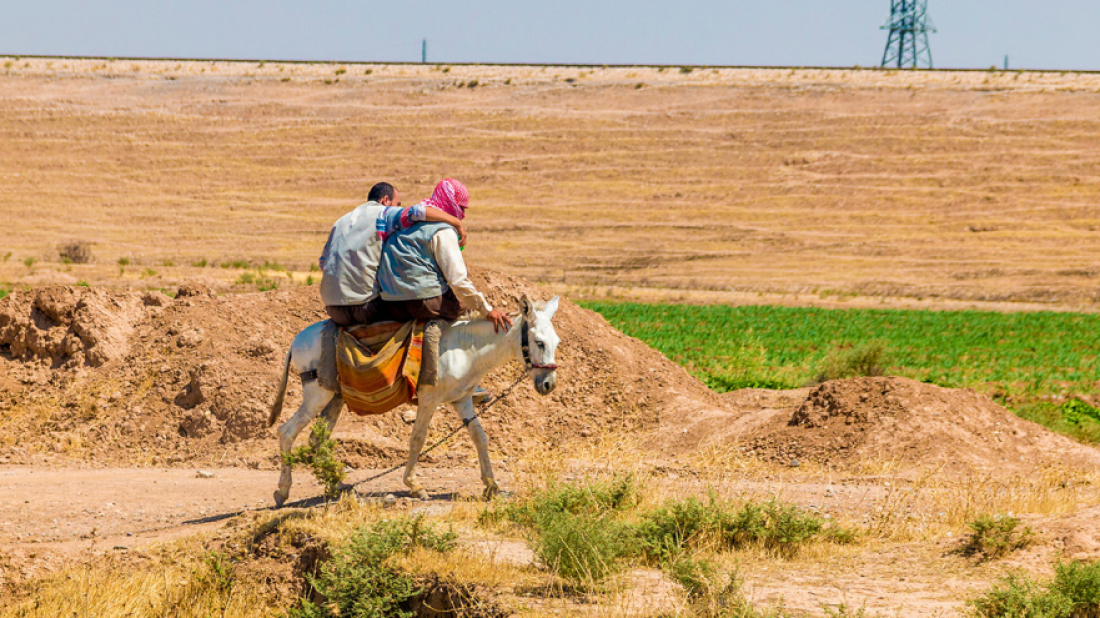
With a total investment of $39 million, the SRVALI project aims to directly benefit rural households in the governorates of Karbala, Najaf, and Muthanna regions, which are increasingly affected by drought, land degradation, and water scarcity.
The project, implemented by the Food and Agriculture Organization (FAO), will improve the livelihoods of two million vulnerable Iraqis and contribute to the country’s long-term food security and economic stability.
The project includes a generous co-financing from the Government of Canada and the Swedish International Development Cooperation Agency (SIDA).
"The SRVALI project is a testament to Iraq's strong national ownership and commitment to delivering sustainable solutions to those most affected by climate change," -stated FAO Director-General QU Dongyu at the project's launch ceremony in Baghdad.
He commended the Ministries of Environment, Water Resources, Planning, and Agriculture for their exemplary partnership throughout the project's development.
The Republic of Iraq has formally announced its intention to develop a substantial portfolio of projects to enhance its climate adaptation and mitigation strategies. This programme will serve as a framework for GCF in assessing funding applications and determining future financial requirements.
The Minister of Environment of the Republic of Iraq, Dr. Hallo Al Askari, stated that the primary objective of the Country Programme is to facilitate the implementation of Iraq's Nationally Determined Contributions (NDCs).
“Our NDCs encompass strategies for mitigating diverse sources of greenhouse gas emissions, spanning the energy, industrial, and transportation sectors, alongside measures to adapt to the effects of climate change within the most at-risk sectors, notably agriculture and water resources,” he said.
The unveiling of the Country Programme follows the October 2024 approval of GCF’s first project in Iraq - “Strengthening Climate Resilience of Vulnerable Agriculture Livelihoods.
The project aims to strengthen the climate resilience of vulnerable agricultural households in Iraq, focusing on water efficiency through modern irrigation infrastructure and the empowerment of Water User Associations (WUAs), promoting climate-resilient agricultural practices, and supporting the development of policies for water and energy management and renewable energy systems such as solar-powered irrigation.
According to GCF, permanent changes in Iraq will involve transformative reforms in agricultural water management policies, improved irrigation technologies, and widespread integration of renewable energy solutions.
"These changes will foster a more sustainable and climate-resilient water management and agricultural practice, contributing to the country’s long-term food security and economic stability. The project will also promote gender equity by empowering women as key change agents, fostering inclusive and sustainable community development," - its statement reads.












What is your opinion on this topic?
Leave the first comment