The start of COP29 in Baku coincided with the release of new United Nations data that shows a record 11% increase in global CO2 emissions over the past 20 years. This highlights the critical need for urgent international action to tackle climate change.
Fresh United Nations data, coinciding with the opening of the COP29 climate summit here in Baku, has highlighted a record-breaking rise in global CO2 emissions. The report has revealed an 11% increase in such emissions over the past two decades, with greenhouse gases reaching unprecedented levels. For the UN, this underscores the urgent need for effective international action to combat the climate crisis.
The UN report states that carbon dioxide is accumulating in the atmosphere at an unprecedented rate, with long-term consequences for global temperatures. Ko Barrett, Deputy Secretary-General of the World Meteorological Organization, warned that due to the prolonged atmospheric lifetime of CO2, rising temperatures are now inevitable for many years to come.
Greenhouse gas emissions continue to drive global warming, with European Union scientists predicting that 2024 will likely become the hottest year in over 125,000 years.
In his opening remarks at the G20 summit, United Nations Secretary-General António Guterres, urged nations to lead global efforts in reducing emissions by 9% per year through to 2030, by phasing out fossil fuels, and accelerating the transition to renewable energy. "The climate crisis is here. We cannot afford to delay our response. We must adapt now," Guterres stated, emphasising the need to limit the global temperature rise to 1.5°C to avoid the worst impacts of climate change.
As the summit progresses, governments are under significant pressure to demonstrate concrete commitments to reducing emission and outlining clear strategies for mitigating further temperature increases. The main focus of COP29 is to achieve tangible, global solutions to address the climate emergency and ensure a sustainable future for all.
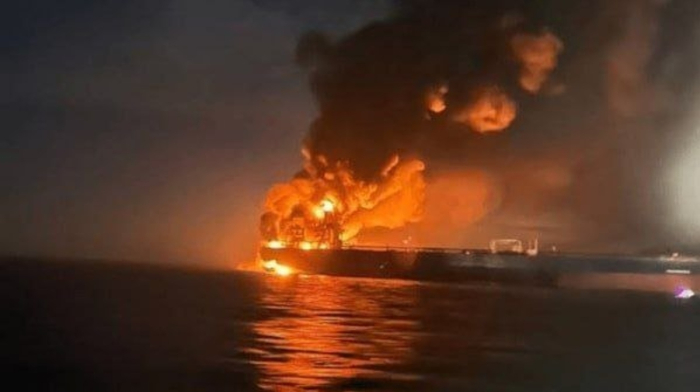
Saudi Aramco has ordered staff to evacuate its headquarters amid escalating Houthi attacks on the kingdom. Two people were killed in an attack on Dammam airport, while Iran's IRGC Navy claimed strikes on seven vessels and warned the U.S. of a wider response.
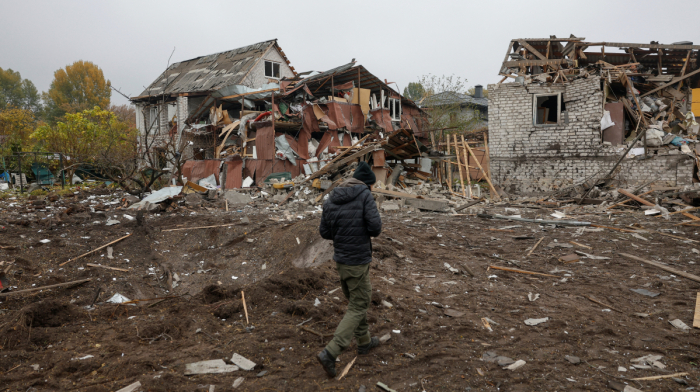
Russian strikes on Ukraine overnight killed at least two people and injured 15 others, including two children, Ukrainian authorities said. Meanwhile, Russia said it had intercepted the vast majority of 630 Ukrainian drones launched towards Moscow.
Russia is willing in principle to resume peace talks with Ukraine and the United States in November, Kremlin aide Yuri Ushakov said after President Vladimir Putin met U.S. special envoy Steve Witkoff in St Petersburg.
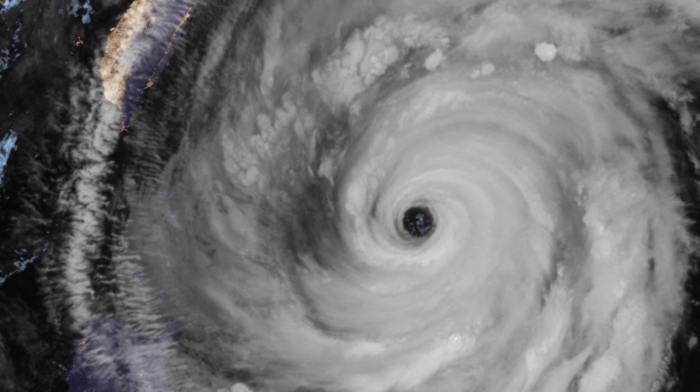
Super typhoon Champi is set to batter Japan’s Okinawa Prefecture from Friday (23 October), bringing violent winds, torrential rain and waves up to 11 metres high, as airlines cancel flights and organisers scrap a major festival.
The modern state has been formed within the framework of the principle of secularism. For this reason, the principle of secularism is reflected in constitutional texts, which are regarded as a social contract and regulate relations between the state and society (citizens).
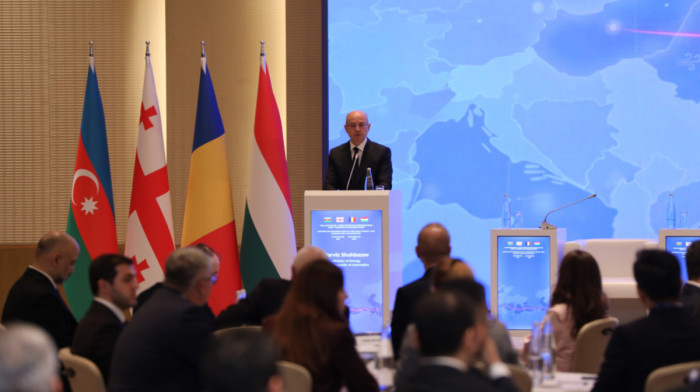
Azerbaijan is seeking international investment in a 3,000-kilometre green energy corridor to Europe, with banks, investors and energy companies gathering in Baku on Thursday to discuss financing for the ambitious project.
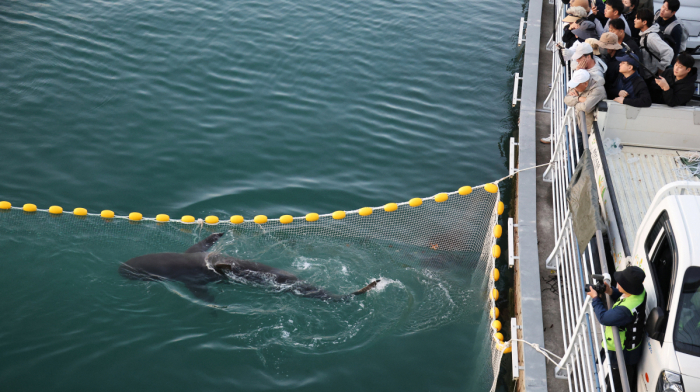
A female dusky shark trapped in a canal in Busan, South Korea, for more than a month has finally returned to the open sea after a successful rescue operation on Wednesday (21 October), following two failed attempts.
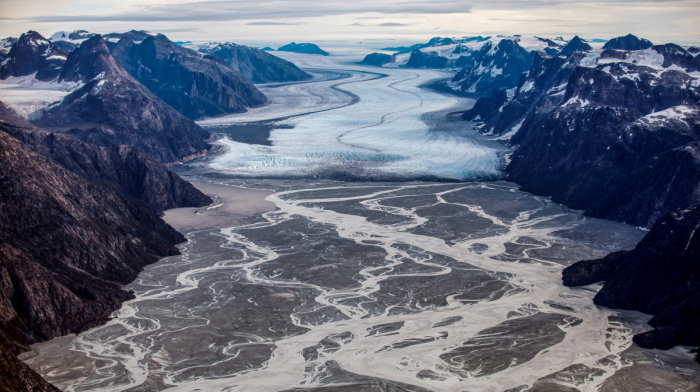
The world is on course for dangerous levels of global warming despite international climate pledges, with greenhouse gas emissions hitting record highs and the Paris Agreement’s 1.5°C target increasingly out of reach, according to a UN assessment.
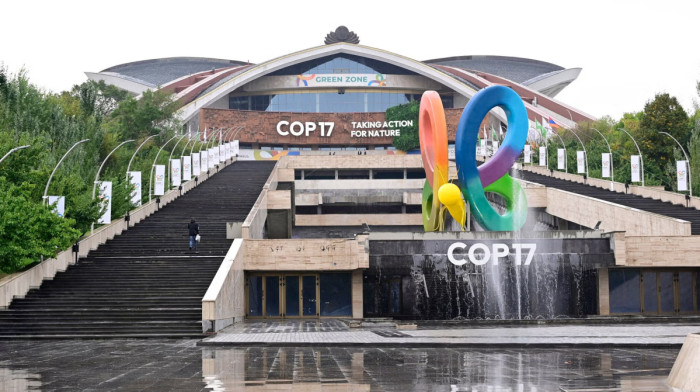
As Armenia prepares to host COP17, the 17th Conference of the Parties to the Convention on Biological Diversity, new projections reveal a widening gap between global conservation promises and what countries are on track to deliver by 2030.













What is your opinion on this topic?
Leave the first comment