Floods, landslides kill 56 in India and 14 in Nepal
Heavy rain and storms have triggered floods and landslides that killed 56 people in India, while in Nepal, 14 have...
Southern European countries are preparing for another wave of scorching temperatures on Wednesday, having barely recovered from last month's heatwave. France, Italy, Spain and Portugal are all expected to face extreme heat, while wildfire risks remain high.
France's national weather service, Météo-France, has placed 67 departments on orange heat alert as temperatures are expected to reach 41C (105.8F) in some areas.
Météo-France has also forecast that 40 departments could face a high wildfire risk, with a further five expected to face a very high risk.
The country has been battling wildfires, primarily in its southern departments, over the past few days. A fire in the Pyrénées-Orientales has already burned more than 4,900 hectares (12,100 acres).
Authorities told ICI that the situation had improved by Wednesday, but 800 firefighters remained on the ground to prevent flare-ups.
Earlier on Tuesday, Interior Minister Laurent Nuñez announced the arrest of six people on suspicion of "having been involved in the outbreak of a wildfire."
A fire in the Drôme department also burned 1,400 hectares (3,460 acres) on Tuesday.
Nuñez also announced on X early on Wednesday that a 22-year-old volunteer firefighter was killed while responding to a fire overnight in Savoie.
Italy is also expected to be affected by the latest heatwave, with temperatures forecast to reach 40C (104F) over the weekend. Several cities have been placed on orange alert, according to Rai News.
Spain's national weather service, AEMET, has also issued red alerts for two autonomous communities, while most of the country remains under orange alerts.
Temperatures are expected to exceed 40C (104F) in some areas and climb to almost 45C (113F).
In Portugal, temperatures are also expected to reach 40C (104F), with many areas under orange alerts.

Leaders from around the world are gathering in New York for the latest session of the United Nations General Assembly, with conflicts in Ukraine and the Middle East, global security, trade, artificial intelligence, climate change and economic development dominating the agenda.
World leaders return to the United Nations headquarters in New York on Friday for the fourth day of the high-level General Debate, with speeches and diplomatic meetings continuing throughout the day.
Iran has called for a diplomatic solution after U.S. President Donald Trump rejected its Hormuz proposal, while Foreign Minister Abbas Araghchi said Tehran was awaiting a definitive U.S. response through mediators.
Iran on Saturday awaited a U.S. response to its proposal to reopen the Strait of Hormuz and end fighting in the Middle East war after the Wall Street Journal reported that President Donald Trump had rejected the deal.
Six people have died after a two-storey residential building in a tourist area of central Athens collapsed, the Greek fire brigade said on Saturday (26 September), following an explosion that the mayor said was likely linked to gas infrastructure.
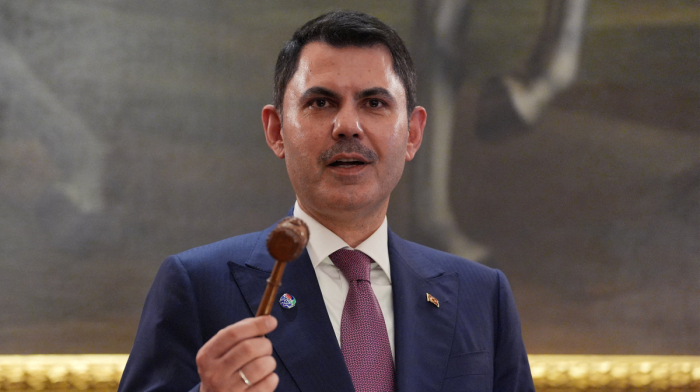
Türkiye’s COP31 presidency has unveiled an action agenda designed to turn climate commitments into concrete projects and measurable results, focusing on clean energy, waste reduction, resilient cities and industrial decarbonisation.
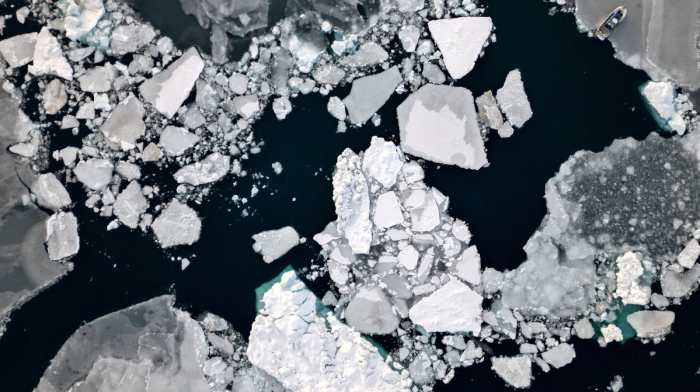
Greenland and Antarctica have shed a combined 11.3 trillion tonnes of ice since 1979, according to the most comprehensive satellite study of the planet's ice sheets to date, with researchers warning the pace of loss has accelerated sharply in recent decades.
The European Union will continue allowing large-scale plastic waste exports to Türkiye despite concerns over recycling rates, environmental damage and the risk of illegal waste trafficking.
Hundreds of thousands of deep-diving turtles, known as olive ridley sea turtles, have arrived on Mexico’s southern coast for one of nature’s most striking nesting events. But conservation officials warn that climate change is making it increasingly difficult for their eggs to hatch.
August 2026 tied as the hottest month ever recorded globally, pushing average temperatures above the critical 1.5°C threshold as extreme weather swept across several regions, the EU’s Copernicus Climate Change Service said.
You can download the AnewZ application from Play Store and the App Store.
What is your opinion on this topic?
Leave the first comment