



12:49 CET
Yemen's Houthis
Three Saudi nationals killed in attacks on Riyadh airport
Saudi Arabia's civil aviation authority ...
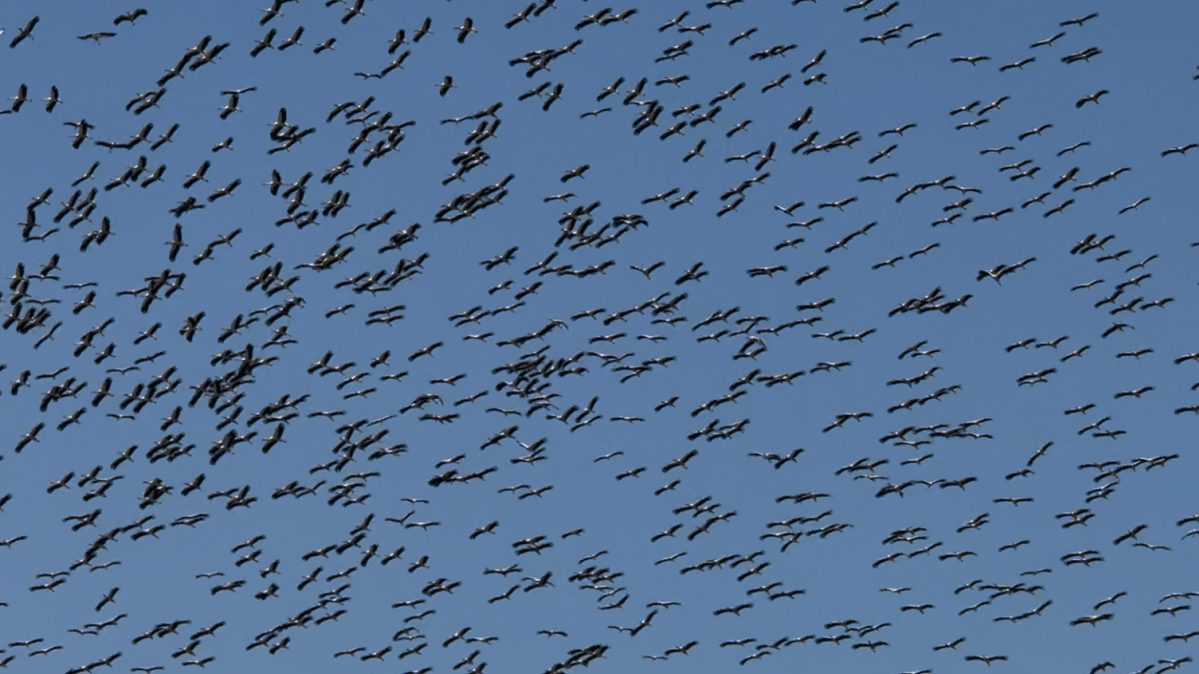


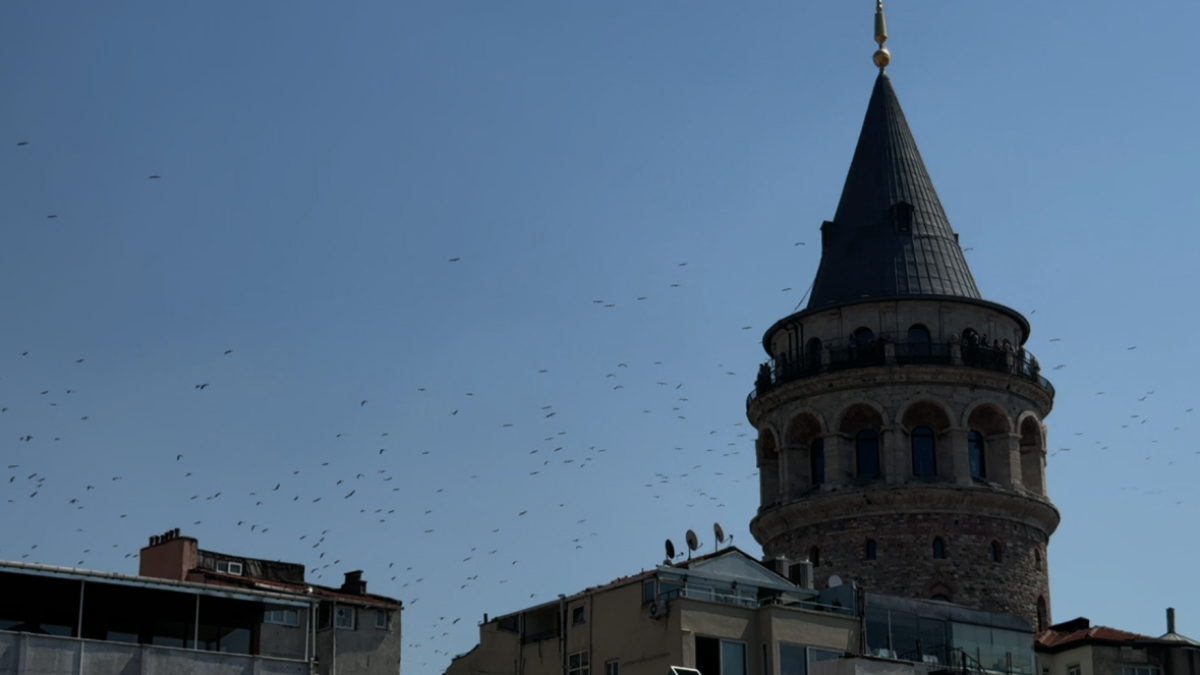
Vast flocks of storks passed through Türkiye and the Bosporus this week as part of their annual autumn migration from European breeding grounds toward Africa and the Middle East.
As summer draws to a close, the large migratory birds began heading south, making Türkiye a crucial passage along the African-Eurasian flyway that links breeding and wintering grounds across three continents.
The Bosporus Strait, the narrow waterway dividing the European and Asian sides of İstanbul, is particularly important because of the way storks travel.
Unlike many smaller migratory birds, storks rely heavily on rising columns of warm air – known as thermals – to gain altitude. They then glide for long distances, conserving energy during journeys that can stretch thousands of kilometres.
Because thermals usually form over land, storks generally avoid long flights over open water. This tends to funnel large numbers of them toward narrow crossings like the Bosporus and the Strait of Gibraltar.
After crossing the Bosporus from Europe into Asian Anatolia, the birds continue south through Türkiye and the Middle East toward their traditional wintering areas in Africa.
Along the route, wetlands and agricultural areas across Türkiye provide important feeding and resting grounds. Storks eat insects, amphibians, reptiles, small mammals, and other available food as they replenish their energy for the long journey.
In spring, the migration is repeated in reverse, with the birds returning north to breeding grounds across Europe and surrounding regions.
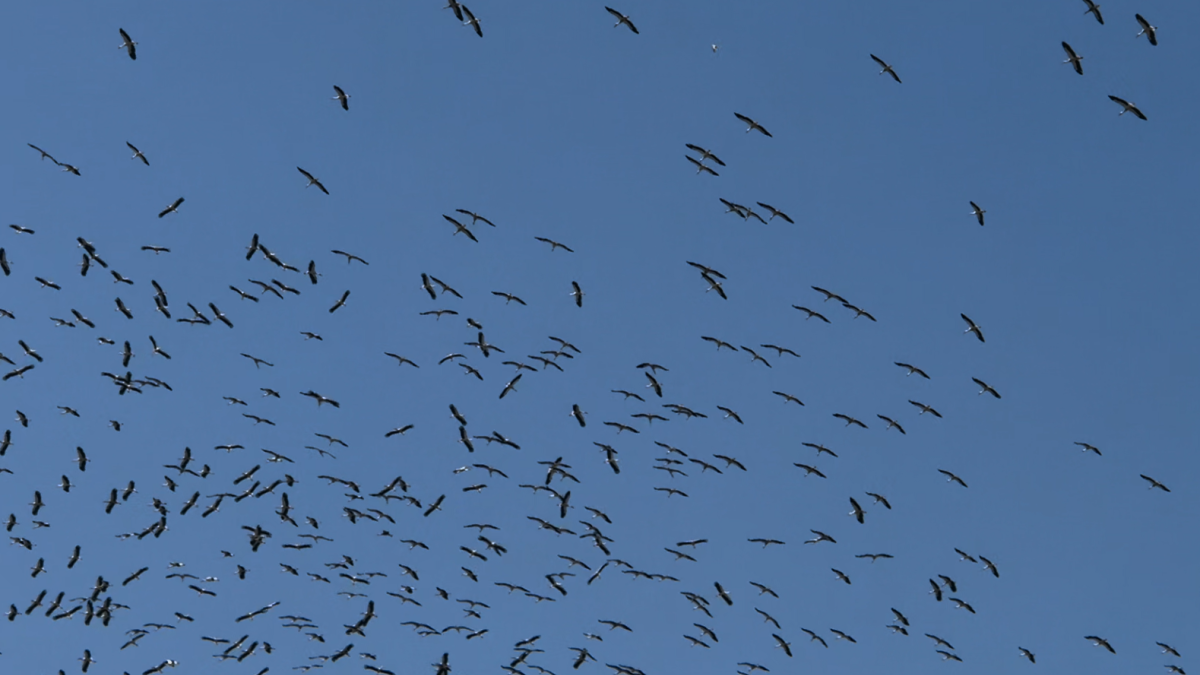
White storks typically migrate in flocks numbering hundreds or even thousands, creating dramatic scenes as vast numbers of birds circle upward on thermal currents before gliding toward their next stopping point.
The journey, however, carries risks.
Habitat loss, illegal poaching, and collisions with electrical infrastructure are among the human-caused threats facing storks – and other migratory bird, on their transcontinental flights.
Earlier this month, Turkish authorities took special precautions along an electrified railway near Istanbul’s Küçükçekmece Lake after some storks were harmed by contact with electrical equipment.
For Istanbul residents, the annual migration offers a seasonal spectacle: large flocks soaring above one of the world’s busiest cities before crossing from one continent to another on their long journey south.

Saudi Arabia's civil aviation authority ...

Azerbaijan is prepared to chair the Commonwealth of Independent States (CIS) in 2028, the country's President Ilham Aliyev has said. He made th...

U.S. federal immigration agents shot and wounded a man in a car with a five-year-old boy inside in New York City’s Bronx neighbourhood on Thu...

Russia struck Ukraine overnight in one of the biggest attacks of the conflict, killing at least 19 people, Kyiv's Foreign Ministry said on Wednesday. Around 70 missiles were fired at Ukraine during the attack, as well as drones, the Ministry said.
Azerbaijan is prepared to chair the Commonwealth of Independent States (CIS) in 2028, the country's President Ilham Aliyev has said. He made the remarks as regional leaders met at the CIS Council of Heads of State meeting in Awaza, Turkmenistan.
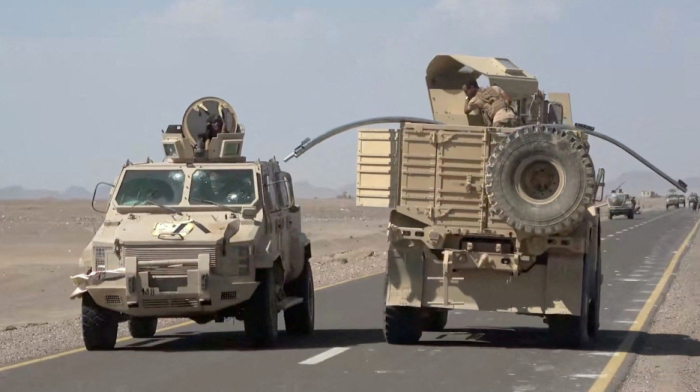
The Saudi-led coalition says it has carried out a series of military operations against Houthi targets in Yemen after attacks on two Saudi airports left three people dead and dozens injured.
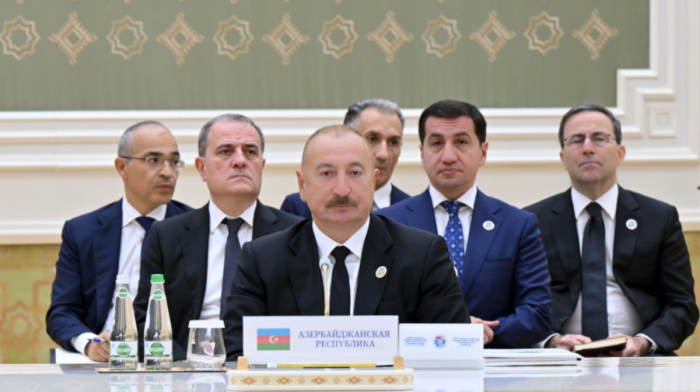
Azerbaijan and the five Central Asian states have signed two key documents at the 8th Consultative Meeting of Heads of State in Turkmenbashi, formalising a broader framework for regional cooperation in transport, trade, energy, digitalisation and security.

It started with classrooms. Too many students, not enough teachers, deteriorating buildings and growing anxiety over what comes after high school. But within weeks, a movement that began outside French lycées had spread across the country.
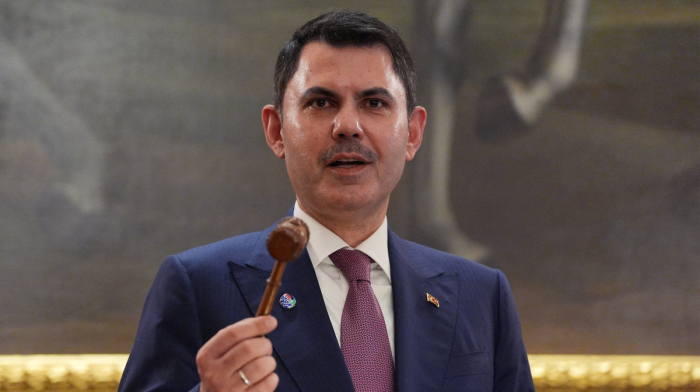
Türkiye’s COP31 presidency has unveiled an action agenda designed to turn climate commitments into concrete projects and measurable results, focusing on clean energy, waste reduction, resilient cities and industrial decarbonisation.
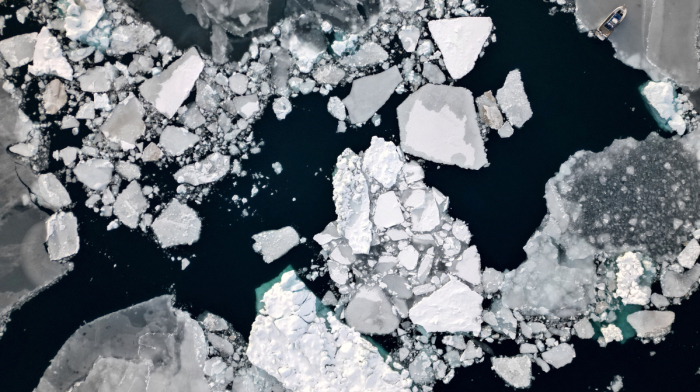
Greenland and Antarctica have shed a combined 11.3 trillion tonnes of ice since 1979, according to the most comprehensive satellite study of the planet's ice sheets to date, with researchers warning the pace of loss has accelerated sharply in recent decades.
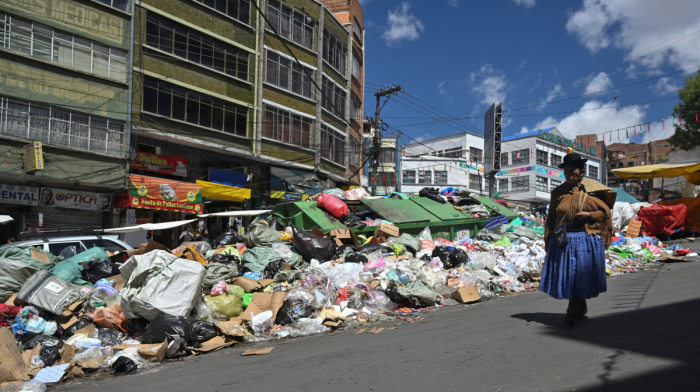
The European Union will continue allowing large-scale plastic waste exports to Türkiye despite concerns over recycling rates, environmental damage and the risk of illegal waste trafficking.
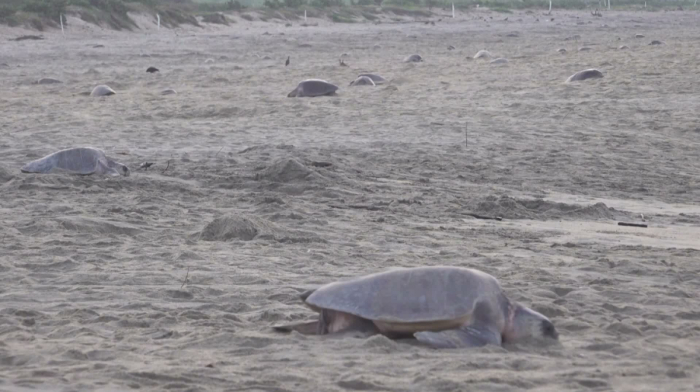
Hundreds of thousands of deep-diving turtles, known as olive ridley sea turtles, have arrived on Mexico’s southern coast for one of nature’s most striking nesting events. But conservation officials warn that climate change is making it increasingly difficult for their eggs to hatch.
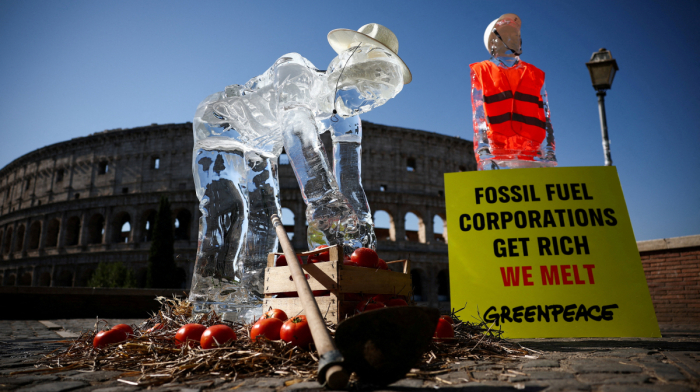
August 2026 tied as the hottest month ever recorded globally, pushing average temperatures above the critical 1.5°C threshold as extreme weather swept across several regions, the EU’s Copernicus Climate Change Service said.
You can download the AnewZ application from Play Store and the App Store.




What is your opinion on this topic?
Leave the first comment