live Houthi attack on Yemen’s Red Sea historic port of Mocha kills 7 people
U.S. President Donald Trump says Washington is “semi-negotiating” with Iran as uncertainty surrounds efforts to ease regional tensions....
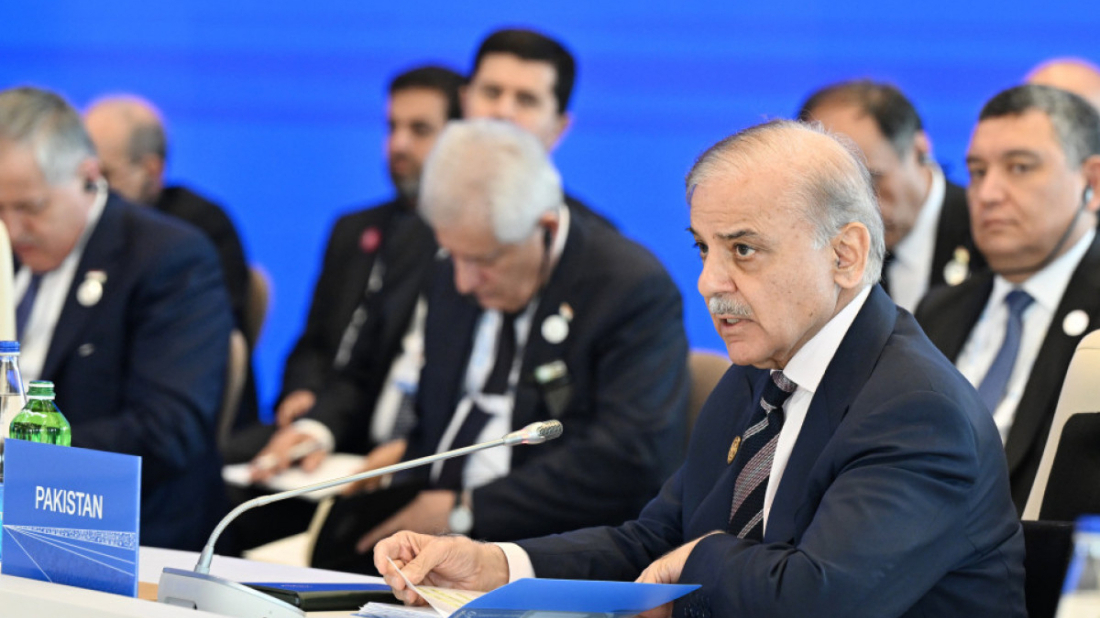
Pakistani Prime Minister Shehbaz Sharif on Friday proposed creating a low-emissions corridor and regional climate initiatives under the Economic Cooperation Organization (ECO), warning that climate change is severely affecting food security and livelihoods across the region.
Speaking at the 17th ECO summit in Khankendi on the 3-4 July, Sharif said member states face growing climate risks and called for joint efforts to build resilience.
“Pakistan proposes the development of low-emission corridors, a regional carbon market platform, disaster response systems, and green energy and eco-tourism projects,” Sharif said. He noted these steps could create green jobs, especially for women and youth.
He reminded attendees that Pakistan remains among the top 10 most climate-vulnerable countries and recalled the 2022 floods that killed 1,700 people and caused $30 billion in economic losses.
“Flash floods continue to cause heart-breaking devastation,” he added.
On ties with India, Sharif criticised New Delhi’s move to suspend the Indus Waters Treaty, calling it “an act of aggression” and warning that water is the lifeline for Pakistan’s 240 million people.

An agreement between Iran and the U.S. to reopen the Strait of Hormuz is expected "soon," a U.S. official has said. The deal would result in the resumption of commercial shipping through the sea passage and the lifting of an American naval blockade on Iranian ports.
Start your day informed with AnewZ Morning Brief. Here are the top news stories for the 8th of August, covering the latest developments.
A deal on a new route for vessels through the Strait of Hormuz is "very close," Iranian Foreign Minister Abbas Araghchi has said, while warning that the reopening of the waterway depends on the U.S. meeting other conditions, including paying compensation to Iran.
Start your day informed with AnewZ Morning Brief. Here are the top news stories for the 9th of August, covering the latest developments.
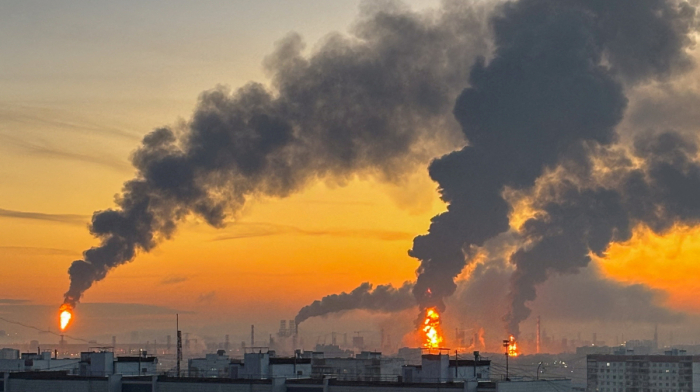
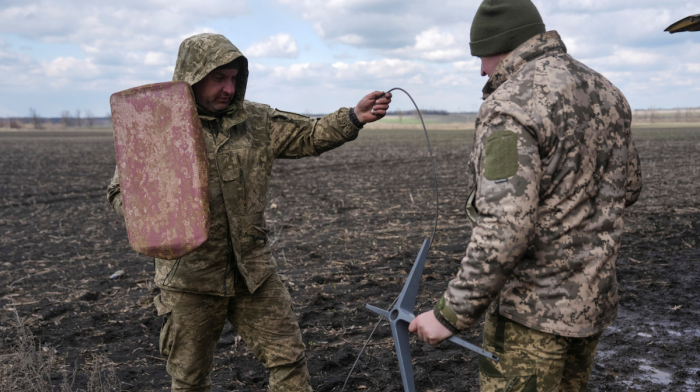
Ukrainian President Volodymyr Zelenskyy said Ukraine is increasingly penetrating Russia's air-defence network, as both sides stepped up overnight strikes on energy, logistics and port infrastructure.
Glacier coverage in Kyrgyzstan’s Issyk-Kul Basin has shrunk by 33.7 per cent over the past 70–90 years, according to an updated glacier inventory by Kyrgyzhydromet. The agency says the pace of glacier retreat has accelerated sharply in recent years.
Extreme heat and historically low river levels are forcing nuclear power plants across Southeast Europe to reduce production, increasing pressure on already stretched electricity supplies and prompting governments to call for lower consumption.
Flash floods in Gansu Province in China's northwest last week killed 25 people and injured 23 more, the official Xinhua news agency reported on Sunday, raising earlier death tolls.
Three firefighters have died as wildfires continue to burn across Greece, with Crete facing a second day of intense blazes driven by strong winds. The fires come as Europe battles destructive wildfires fuelled by extreme heat and drought.
An impending "super" El Niño is likely to inflict a combined $10 billion to $20 billion hit on affected African countries and trigger mass migration from hard-hit areas, the African Development Bank's (AfDB) top climate expert said.
You can download the AnewZ application from Play Store and the App Store.
What is your opinion on this topic?
Leave the first comment