As Ethiopia's rainy season retreats and the landscape turns green beneath clearer skies, millions of Oromo people gather to celebrate Irreecha, a festival of thanksgiving, renewal and community.
The annual celebration marks the transition into Birraa, the new season, as communities give thanks to Waaqa, the Creator, for life, rainfall, fertility and the blessings of the season that has passed. They also pray for peace, health, prosperity and productive harvests in the months ahead.
Celebration rooted in nature
Irreecha brings people from towns and rural communities across Ethiopia, as well as Oromo communities abroad, to rivers, lakes and other customary ceremonial sites.
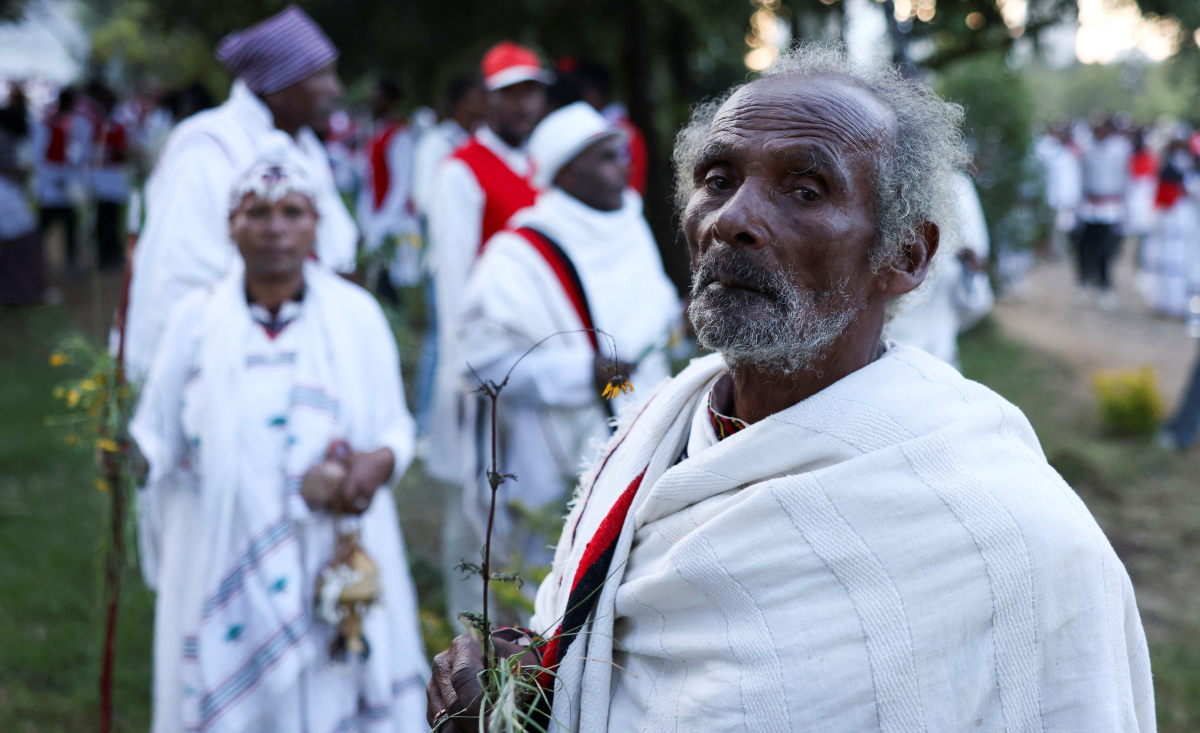
The principal gatherings at Hora Finfinne in Addis Ababa and Hora Arsadi in Bishoftu draw large crowds. Participants arrive carrying freshly cut green grass and flowers, wearing traditional clothing and ornaments that express their heritage and identity.
Water has a central role in the ceremony. At the water's edge, traditional and spiritual leaders guide prayers, songs and blessings, while participants place grass and flowers in the water as an expression of gratitude.
The symbolism reflects the importance of water to life, agriculture and the environment. The ceremony connects people with the natural world and with Waaqa, acknowledging what has been received while seeking blessings for the season ahead.
Tradition carried across generations
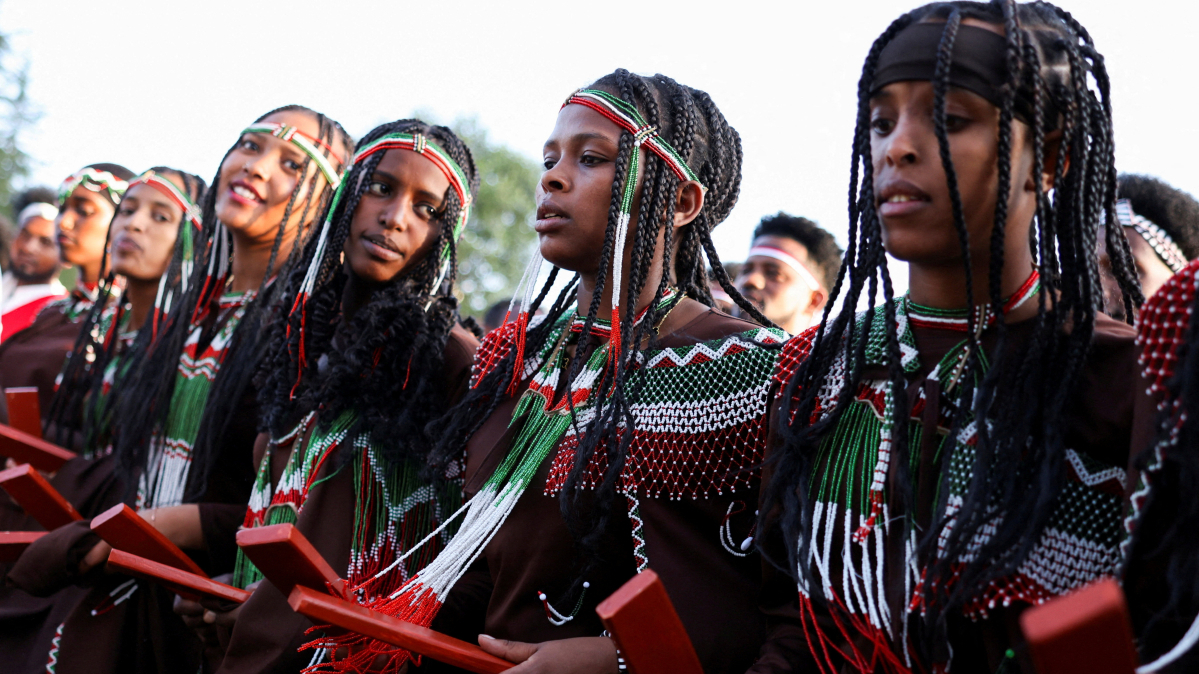
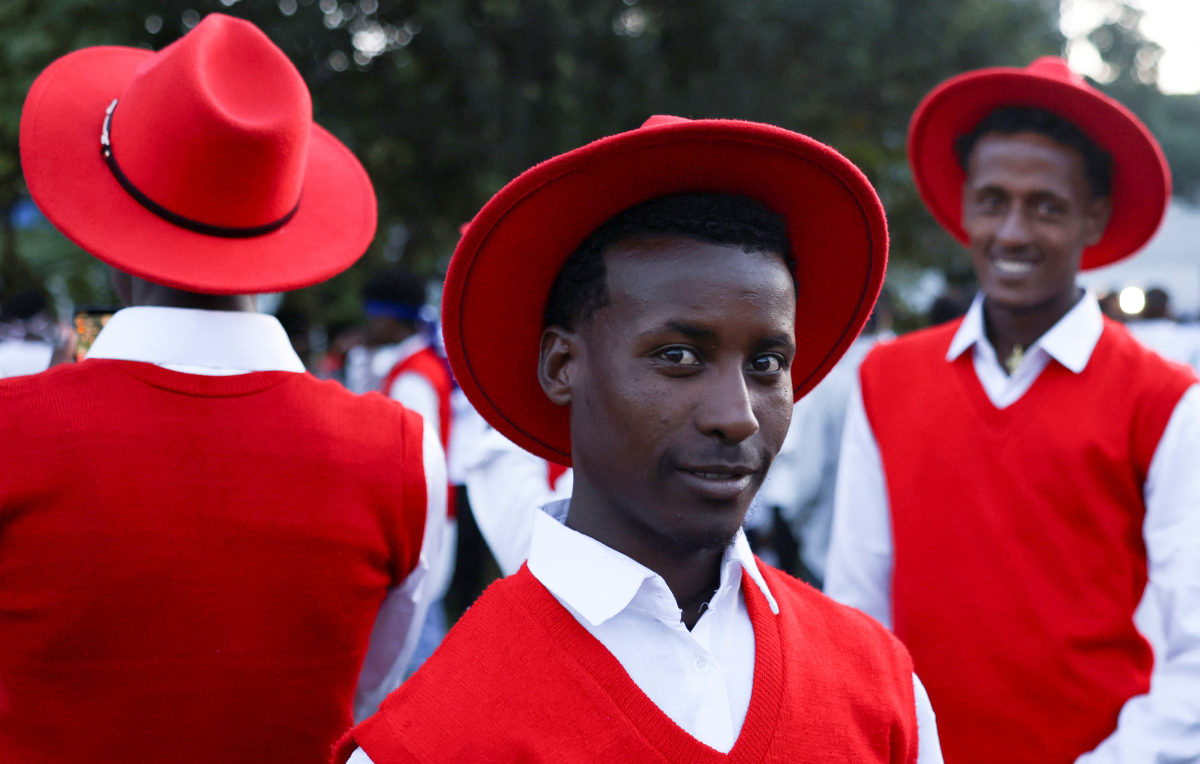
Irreecha is also a celebration of Oromo cultural identity. Traditional garments, ornaments, hairstyles and accessories showcase craftsmanship passed between generations.
Women may wear Caaccuu and beads and carry Siinqee, a culturally significant symbol associated with Oromo women's identity and social role. Songs, chants and prayers accompany the ceremonies, keeping cultural knowledge alive through participation.
Abbaa Gadaas and Abbaa Malkaas, along with spiritual leaders, guide important aspects of the customary observance. Elders pass knowledge of ceremonies and traditions to younger generations, while children learn by taking part alongside their families.
Irreecha is closely connected with the Gadaa system, the indigenous Oromo system of governance and social organisation. UNESCO inscribed the Gadaa system on the Representative List of the Intangible Cultural Heritage of Humanity in 2016.
Festival of peace and renewal
Beyond thanksgiving, Irreecha provides an opportunity to renew relationships, strengthen family and community bonds, and reflect on values of peace and reconciliation.
Friends, relatives and communities gather together, while the emphasis on goodwill, harmony and forgiveness gives the celebration a social dimension alongside its spiritual meaning.
The festival also allows people from other Ethiopian cultural communities and visitors from abroad to encounter Oromo traditions through music, dance, clothing, food, hospitality and ceremony. Its meaning, however, comes from the communities who continue to practise and transmit it rather than from its presentation as a performance for visitors.
As the celebrations end, participants return home with the seasonal cycle continuing around them. The rains have receded, Adey flowers signal Birraa, and the landscape enters another phase.
For the Oromo people, Irreecha remains an expression of gratitude, identity and continuity. It is a moment to give thanks for what has been received, seek blessings for what lies ahead and welcome the new season with hope.
Read more about other culture stories:



















What is your opinion on this topic?
Leave the first comment