


20:20 CET
Politics
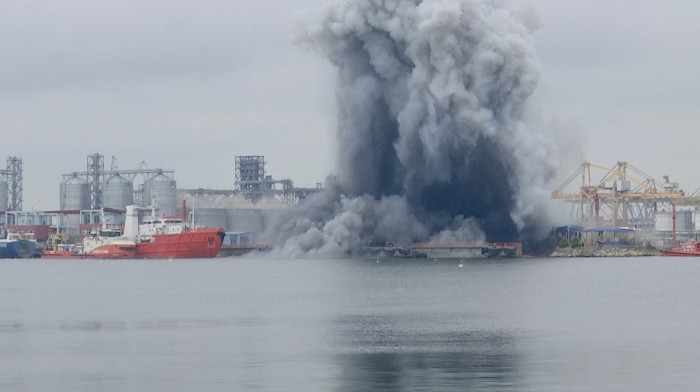
Three ships struck by drones in Black Sea near Romanian shipping canal
Drones have struck three commercial...
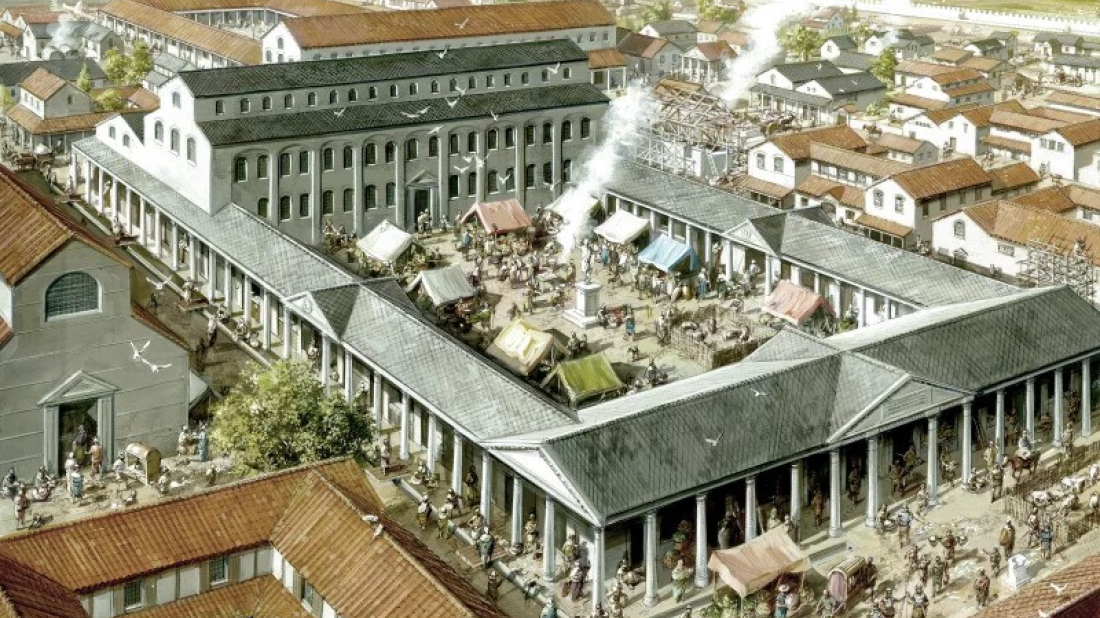


Archaeologists in London’s financial district have uncovered a massive section of Roman masonry, revealing the remains of a nearly 2,000-year-old town hall—one of the most significant finds in the city since an ancient amphitheater was discovered in the 1980s.
The structure, identified as part of a grand Roman basilica built around 80 C.E., was discovered beneath a commercial building on Gracechurch Street, an area that was once the forum of Londinium, the Roman settlement that thrived for centuries.
The basilica was the heart of the Roman city, serving as an administrative center, law court, and marketplace, where magistrates made rulings and merchants conducted business.
🧱 Key Findings:
✔️ Thick Roman stone walls, several feet wide and dozens of feet long
✔️ Built around 80 C.E., shortly after Londinium recovered from a major revolt
✔️ Estimated to have stood nearly 40 feet tall, designed to impress and intimidate
🗣️ “It’s remarkable that such an important piece of London’s history has survived so much redevelopment over the centuries.” — Jane Sidell, Historic England
The excavation, carried out by the Museum of London Archaeology (MOLA), was required under UK heritage laws before redevelopment could proceed.
The site’s developer, Hertshten Properties Limited, has pledged to showcase some of the artifacts in public exhibits—echoing a similar effort by Michael Bloomberg, who preserved a Roman temple found under his London headquarters.
🔍 Historical Significance:
✔️ Confirms the location of Londinium’s central forum
✔️ One of Britain’s largest Roman buildings at the time
✔️ Provides insight into Roman influence on law, trade, and governance
📜 “Standing face to face with something 2,000 years old creates a powerful connection to history.” — Jane Sidell

Drones have struck three commercial...

Almost 1,500 migrants arrived in Spain's Canary Islands on Saturday, the highest number in a single day sin...
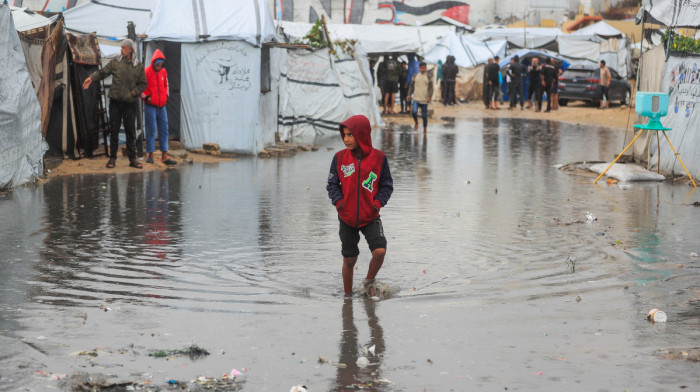
The World Health Organization (WHO) warned on Friday (13 November) of surging respiratory illnesses in Gaza, ...

The U.S. Federal Aviation Administration lifted a nationwide ground stop on Friday (13 November) after a communications failure at air traffic control centres caused chaos at airports and triggered the longest nationwide shutdown since the 9/11 attacks in 2001.

More than 30 people have been taken to hospital after a cargo ship collided with a passenger cruise docked on the Mississippi River in New Orleans on Friday (13 November).
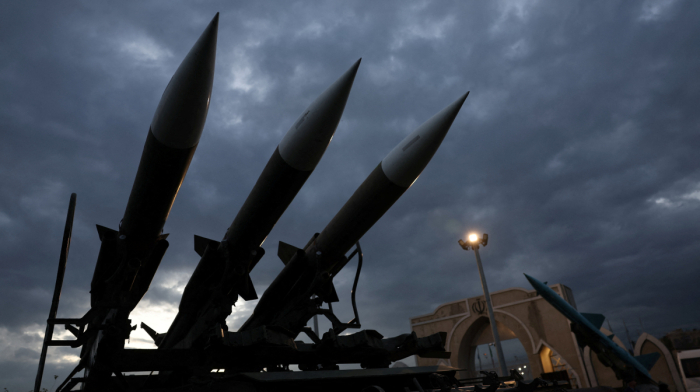
Saudi Arabia said it intercepted two Houthi ballistic missiles targeting Riyadh and three drones in its oil-rich Eastern Province on Sunday (15 November), as Iran's Revolutionary Guards claimed separate attacks on a U.S. military facility in Bahrain.
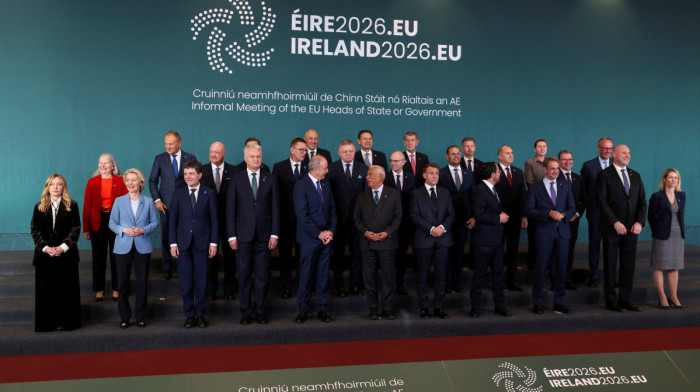
Europe will send a team of diplomats to Ukraine peace talks rather than a single envoy, EU leaders agreed on Friday at the end of a summit in Dublin.
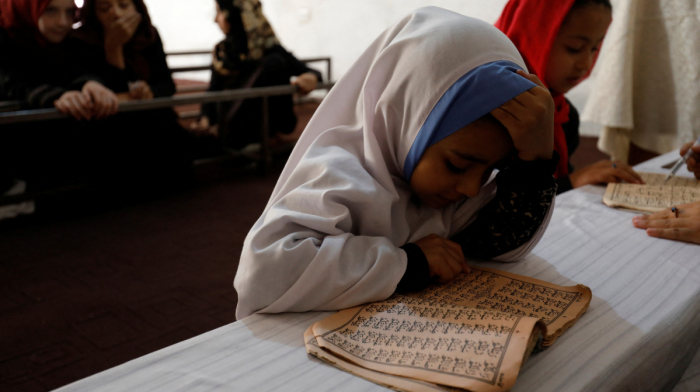
Afghanistan’s Ministry of Education has challenged a United Nations report on access to education, saying its findings do not reflect the full picture of the country’s education system.
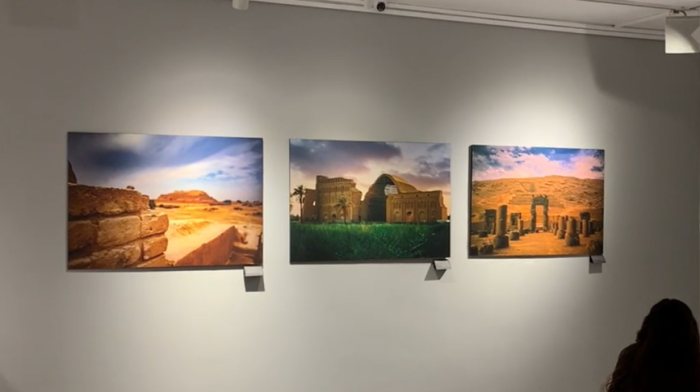
Herbert Karim-Masihi – an Armenian-Iranian photographer and documentary photographer – says his book Thousands of Years of Iran conveys the theme that the country has survived through millennia of developments.

At just 25, Azerbaijani actor Eldar Isgandarov is making his mark on the international film scene, with roles in three A24-linked projects and appearances at major film festivals. His rising profile is also shining a spotlight on his Azerbaijani roots.
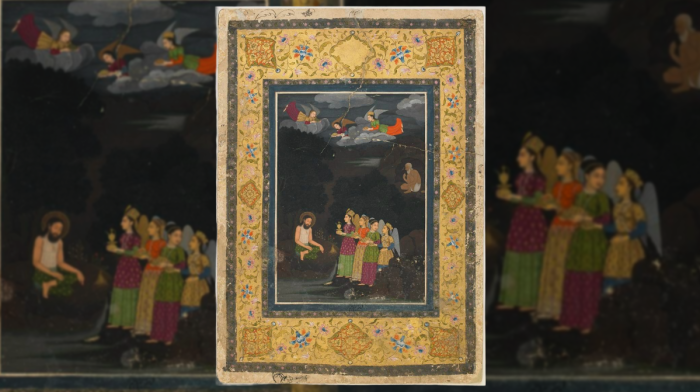
Turkmenistan has secured its first entry in UNESCO’s Memory of the World Asia-Pacific Regional Register, following the approval of a historical collection documenting the life and work of Abu Ishaq Ibrahim ibn Adham.
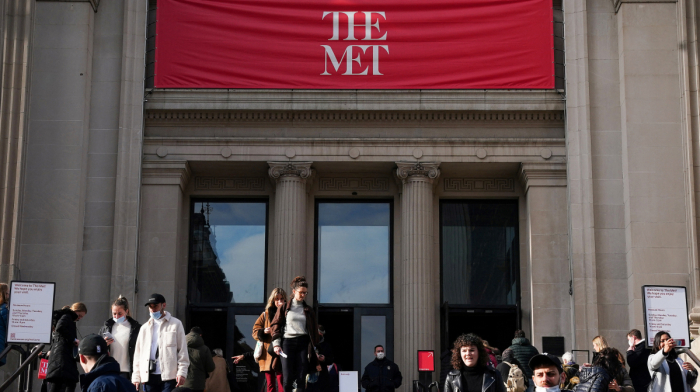
The Metropolitan Museum of Art has announced that its 2027 Costume Institute exhibition and Met Gala will explore how designers transform everyday clothing and ordinary materials into works of art.
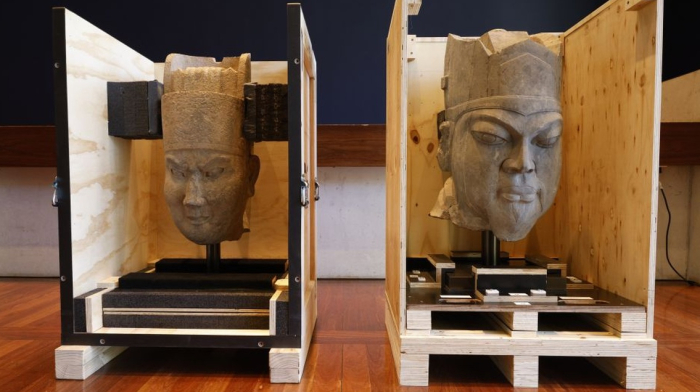
Australia has returned two ancient stone statue heads to China, more than 30 years after they were taken from imperial tombs in central China.
You can download the AnewZ application from Play Store and the App Store.




What is your opinion on this topic?
Leave the first comment