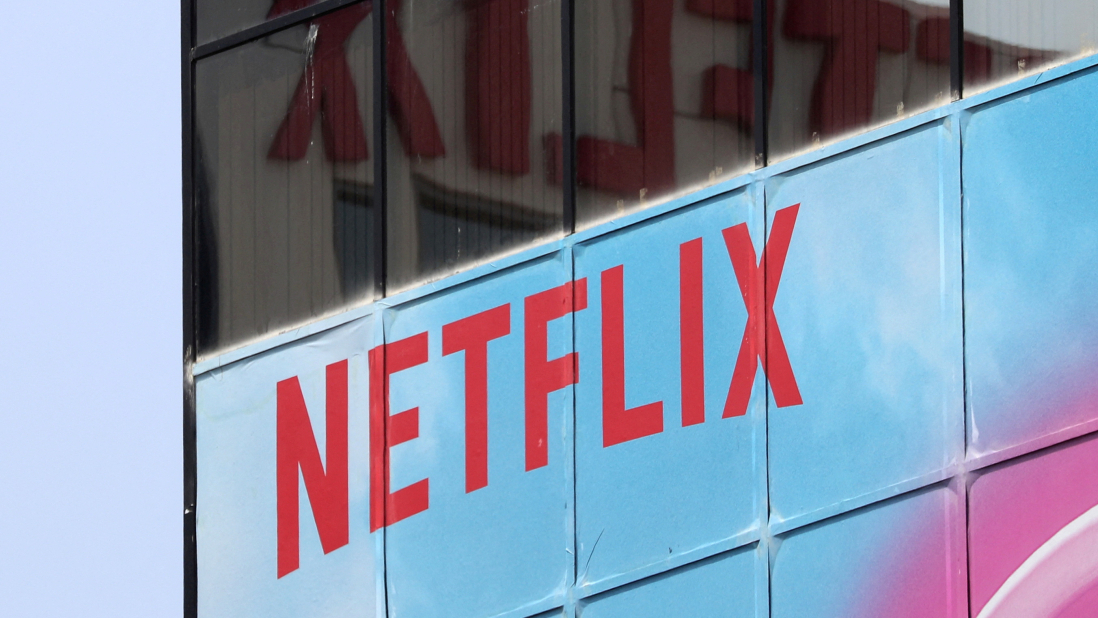
Netflix’s plan to buy Warner Bros marks a rare moment in Hollywood where scale, risk and ambition collide. The agreement, announced on 5 December, puts a price of roughly 82.7 billion dollars on one of the film industry's most influential studios.
It is a mix of cash and Netflix stock, with Warner Bros Discovery shareholders set to receive 23.25 dollars in cash and 4.50 dollars in shares for each of their holdings, landing at 27.75 dollars a share.
It is a large number on paper, but the motivation behind it is simple: Netflix wants control of the stories that have shaped generations.
What Netflix is buying goes far beyond a single studio. It includes HBO and HBO Max, a catalogue that stretches from DC superheroes and Game of Thrones to Harry Potter and long running animation such as Looney Tunes.
These properties have defined audience expectations for decades and still command global pull. Netflix is also taking over Warner’s physical production infrastructure, licensing networks and consumer products division, threading almost every part of the studio’s ecosystem into its own.
Not every piece is changing hands. The traditional cable networks, including CNN, TNT and TBS, will be separated into a standalone company called Discovery Global. Warner Bros Discovery plans to spin off that unit and list it publicly by mid 2026.
Only once that break up is complete can the Netflix transaction formally close. Both sides expect the process to take between a year and a year and a half, depending on regulatory decisions.
For Netflix, absorbing Warner Bros signals a shift from simply commissioning content to owning the foundations of Hollywood’s most recognisable IP.
Co-chief executive Greg Peters described the move as a long term investment that will reinforce the company’s global offer.
His counterpart on the other side of the table, Warner Bros Discovery chief David Zaslav, framed it as a moment where two major storytelling cultures will be brought together under one roof. The sentiment reflects the industry’s mood: cautious about the pace of consolidation, yet aware that streaming continues to reward scale.
There is also a defensive logic beneath the optimism. Warner Bros Discovery has faced financial pressures since its earlier mergers, weighed down by significant debt and volatile advertising markets.
Several potential buyers circled the company in recent months, but Netflix had the strongest strategic rationale. The purchase gives it a major theatrical studio, hundreds of established franchises and a promised pathway to reshape how new films reach audiences.
Regulators are preparing for a close look. Concerns have already emerged from cinema operators and independent producers who fear that packing so much content power into a single platform could influence what gets made and how it is released.
Questions around theatrical windows, licensing access and long term market dominance are likely to sit at the centre of any review.
For viewers, the immediate experience will change slowly. Contractual obligations mean Warner titles will not vanish overnight from other services.
Cinema releases are expected to continue as planned. Over time, though, the balance will shift as rights expire and distribution strategies align more closely with Netflix’s priorities.
What emerges could be a streaming platform with a gravity it has never possessed before, built not only on its own originals but on the weight of a century of Warner Bros filmmaking.


















What is your opinion on this topic?
Leave the first comment