Why are Gen Z protesters taking to Germany's streets?
Gen Z protests swept 34 German cities on Saturday (31 October) over education, living costs and military service proposals. Violence erupted in Fra...
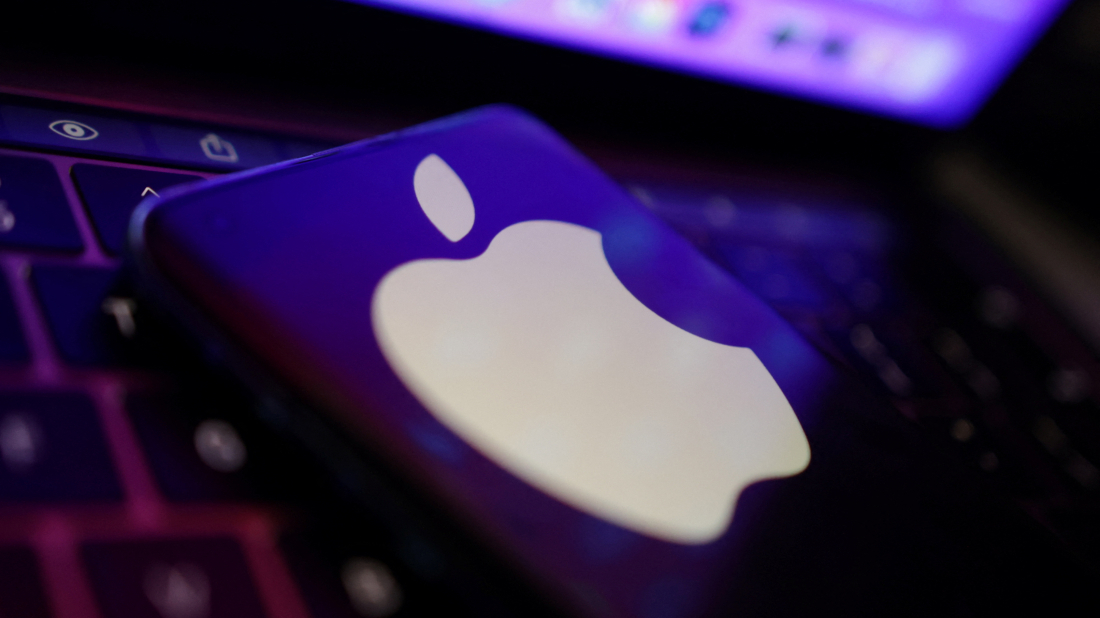
Brussels has fined Apple and Meta over €700 million combined, launching its first crackdown under the Digital Markets Act aimed at curbing big tech’s power and boosting competition in the digital economy.
The European Union has taken its first major enforcement step under the Digital Markets Act (DMA), levying significant fines against American tech giants Apple and Meta. The move underscores the bloc’s growing resolve to regulate dominant digital platforms and restore balance to the online economy.
Apple received a €500 million ($570 million) fine for what regulators called anti-competitive practices—specifically, restricting app developers from directing users to more affordable purchasing options outside of the App Store. According to EU authorities, this undermined consumer choice and stifled fair competition.
Meta, the parent company of Facebook and Instagram, was fined €200 million. The European Commission found its “pay or consent” model—where users must either accept targeted ads or pay a fee to avoid them—violated the DMA’s provisions on user autonomy and freedom of choice.
The Digital Markets Act, which came into force earlier this year, targets large digital platforms designated as “gatekeepers,” requiring them to allow fair access for competitors and greater transparency for users. The enforcement actions mark a key moment in the EU’s campaign to curtail the dominance of global tech firms.
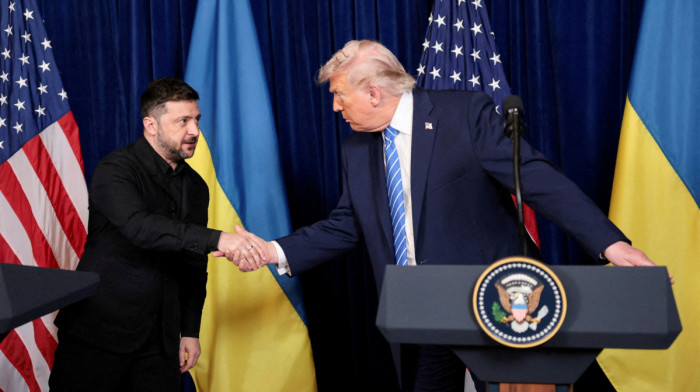
The penalties, originally anticipated in March, were delayed due to rising trade tensions with the United States under President Donald Trump. Nonetheless, EU regulators have pressed forward, aiming to set a precedent for strict digital oversight.
Apple sharply criticised the decision, arguing that it had invested substantial resources to comply with the new legislation and calling the fine “unfair.” The company claimed it had implemented dozens of changes and spent “hundreds of thousands of engineering hours.”
Meta also objected, with Chief Global Affairs Officer Joel Kaplan accusing the EU of applying unequal standards. He suggested that the regulation was designed to “handicap successful American businesses” while giving competitors in Europe and China more leeway.
Industry observers say the fines may fuel further friction between Brussels and Silicon Valley, as governments worldwide continue to debate how best to regulate big tech’s outsized influence on digital markets.
The U.S. has approved the sale of 500 Patriot PAC-3 missiles to Ukraine in a deal worth an estimated $2.1 billion, but Kyiv could face years of delays before receiving the weapons it urgently needs to defend against intensifying Russian attacks.
Iranian Supreme Leader Ayatollah Khamenei has ordered Iran's armed forces to respond to any threat immediately and without geographical limits in statements posted to social media platforms on Saturday (31 October).
Demonstrators carrying Iranian flags and placards supporting the hijab gathered outside the Azerbaijani Embassy in London.
A Chinese-made AI chip has matched Nvidia’s H200 in tests conducted by its developer, marking a potential breakthrough in China’s efforts to reduce its dependence on foreign technology.
A hacking group linked to North Korea is widely believed to be behind the theft of $6.3 billion from cryptocurrency giant Binance, a cyberattack that experts describe as the largest cryptocurrency heist on record.
Cryptocurrencies are volatile, and their crashes make headlines. But does a slump in digital coins ever spill over into the pounds, dollars and euros in people's bank accounts? The short answer is not directly, but indirectly it can, and regulators are increasingly worried about how.
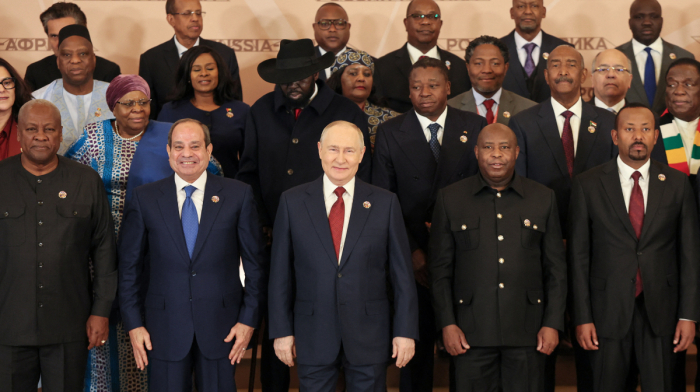
Russian President Vladimir Putin has praised record trade with Egypt as Moscow seeks to use its economic ties with Cairo to expand its influence across Africa, with a focus on manufacturing, infrastructure and energy.
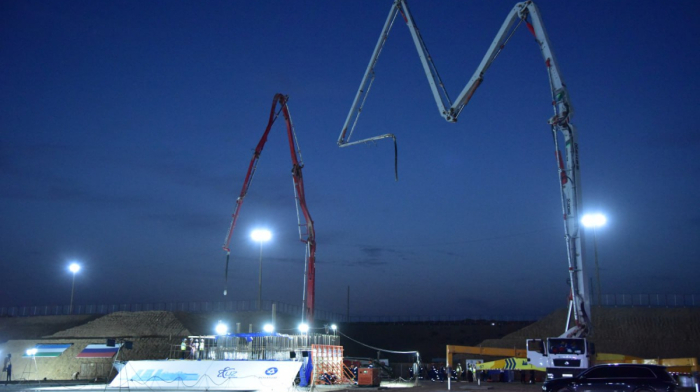
Kazakhstan could begin building its first nuclear power plant in 2027, President Kassym-Jomart Tokayev said on 28 October, according to Azertac. But as Central Asia steps up its energy ambitions, which countries are investing in nuclear power and which are pursuing alternatives?
Apple's latest iPhone 18 Pro series has outperformed its predecessor in early global sales, even as rising manufacturing costs and weaker demand in some markets put pressure on the smartphone industry, according to Counterpoint Research data released on Tuesday (27 October).
Uzbekistan is moving into a new phase in the development of Islamic finance, with the country’s first Islamic banking licence issued shortly before a regional forum in Samarkand brought together industry players to discuss how the sector can expand across Central Asia.
You can download the AnewZ application from Play Store and the App Store.
What is your opinion on this topic?
Leave the first comment