live U.S. strikes Iran border crossing as Houthis claim attack on Saudi tankers in Red Sea
U.S. strikes on Iran entered a 12th consecutive night, with Iranian officials saying two people were killed in an attack on the Shalamcheh border cros...
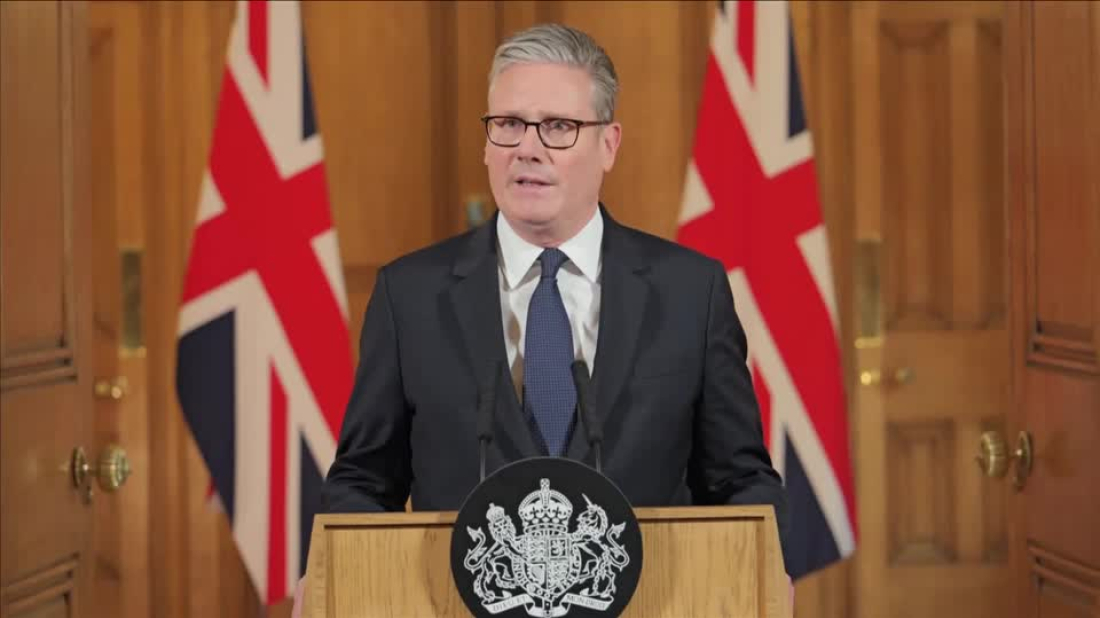
British Prime Minister Keir Starmer has said the United Kingdom will formally recognise Palestine as a state at the United Nations in September, unless Israel takes “substantive steps” to ease the humanitarian crisis in Gaza.
The United Kingdom will recognise Palestine as a state at the United Nations in September unless Israel takes clear action to ease the humanitarian crisis in Gaza. Prime Minister Keir Starmer made the announcement after an emergency Cabinet meeting on Tuesday.
Starmer said the UK’s decision depends on Israel allowing more aid into Gaza, refraining from unilateral moves in the West Bank, and committing to real peace talks based on two states. Over 250 UK MPs have expressed support for the move.
Starmer also called on Hamas to release all hostages and accept it will not play a role in Gaza’s future.
Israel rejected the UK’s plan, calling it a “reward for Hamas” and warning it could undermine prospects for peace.
The United Nations reports that more than 60,000 people have died in Gaza since the conflict escalated, with millions facing hunger and a shortage of basic services.
Starmer said, “We want to see two states living side by side in peace and security”.
An Israeli government spokesperson stated, “Recognising Palestine at this time rewards terror”.
The UK now stands at a crossroads. If Israel moves, the door to negotiation may reopen. If not, Britain is set to redraw its policy map at the United Nations—testing the limits of recognition, diplomacy, and leverage as the crisis deepens.

Start your day informed with AnewZ Morning Brief. Here are the top news stories for the 22nd of July, covering the latest developments you need to know.
The United States has bombed Iran for an 11th consecutive night as the Pentagon says the war’s cost reach $37.5 billion. President Donald Trump threatens a heavy strike on the suspected Pickaxe Mountain nuclear site. Tehran warns that any attack could trigger a wider regional escalation.
Start your day informed with AnewZ Morning Brief. Here are the top news stories for the 23rd of July, covering the latest developments you need to know.
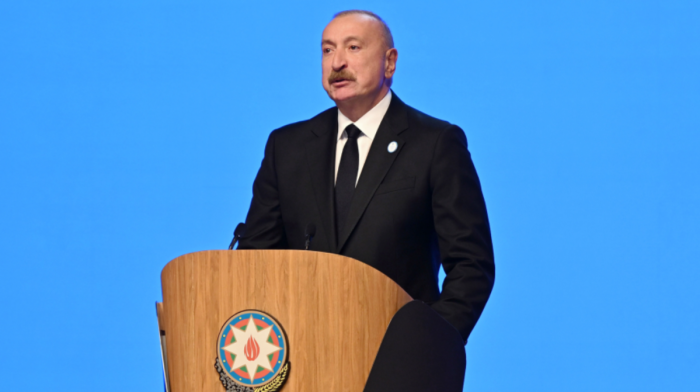
Azerbaijani President Ilham Aliyev and German President Frank-Walter Steinmeier have discussed regional developments, transport connectivity, energy cooperation and the Azerbaijan-Armenia peace process during talks in Berlin.
U.S. strikes on Iran entered a 12th consecutive night, with Iranian officials saying two people were killed in an attack on the Shalamcheh border crossing with Iraq. Meanwhile, Yemen's Houthis said they attacked two Saudi oil tankers in the Red Sea.
The European Union (EU) has agreed on a 21st package of sanctions against Russia, after shelving some proposed measures to appease member states, most notably Greece.
Communities in Spain's northwestern Galicia region are bringing back native livestock, including the hardy Cachena breed, to help reduce the risk of devastating wildfires while restoring ecosystems.
Greece’s security council, KYSEA, is expected to give final approval on Thursday for the purchase of a multi-layered air defence system from Israel worth up to €3.5 billion ($4 billion), along with several types of drones, according to two sources who spoke to Reuters.
Russia intensified attacks on Ukraine's Black Sea ports while Kyiv continued long-range drone strikes inside Russia, as U.S. Secretary of State Marco Rubio and Russian Foreign Minister Sergei Lavrov held talks that produced no breakthrough towards a ceasefire.
Thousands of protesters demanding the resignation of India's education minister briefly clashed with police in New Delhi late on Wednesday as demonstrations over alleged exam paper leaks entered their second month.
You can download the AnewZ application from Play Store and the App Store.
What is your opinion on this topic?
Leave the first comment