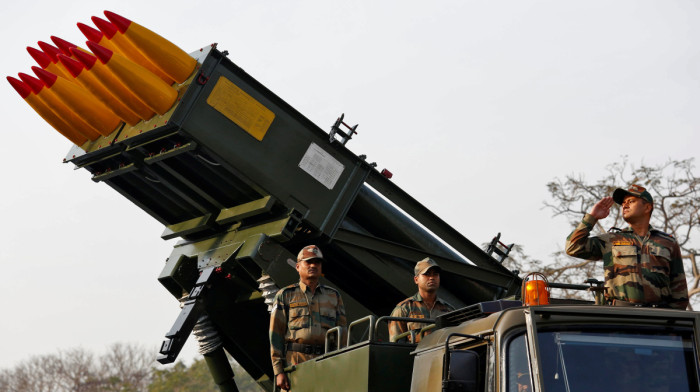
India's Pinaka exports to Armenia highlight growing defence partnership and regional military implications
India's delivery of guided Pinaka rockets to Armenia is drawing renewed attention as analysts assess the mi...
A U.S. appeals panel has rejected Apple’s request to pause a ruling that restricts the tech giant from charging commissions on in-app purchases made outside its payment system—delivering a major blow to the company in its long-running legal fight with Epic Games.
Apple suffered a legal setback late Thursday as a three-judge panel denied its request to delay the enforcement of a court order that bans the company from collecting commissions on in-app purchases processed outside its App Store payment system.
The ruling, stemming from a years-long antitrust battle with Epic Games, could redirect billions in potential revenue away from Apple. The April 30 order, issued by U.S. District Judge Yvonne Gonzalez-Rogers, not only limited Apple’s commissions but also found the company in civil contempt and recommended a criminal probe into potential perjury by one of its executives.
The ongoing case, launched nearly five years ago by Fortnite creator Epic Games, accuses Apple of maintaining an unlawful monopoly over iPhone app distribution and in-app transactions. Epic challenged Apple’s practice of charging developers 15% to 30% commission and restricting them from directing users to other payment methods.
Although Apple initially complied with previous rulings by allowing limited links to external payment systems, it continued imposing fees of up to 27%—prompting Epic to argue the company had violated the court’s original order. Judge Gonzalez-Rogers sided with Epic in her most recent decision, triggering Apple’s attempt to pause enforcement while appealing to the Ninth Circuit Court of Appeals.
With that request now denied, the court’s directive remains in effect, forcing Apple to open the App Store to alternative in-app payment options without charging commissions on those transactions.
In response to the ruling, Epic Games CEO Tim Sweeney declared, “The long national nightmare of the Apple tax is ended,” in a celebratory post.
Apple expressed disappointment in the outcome, stating it would continue to pursue its appeal to “ensure the App Store remains an incredible opportunity for developers and a safe and trusted experience for our users.”
This development marks another chapter in the high-profile antitrust showdown that has tested the boundaries of Big Tech power and could have lasting consequences for digital commerce on mobile platforms.

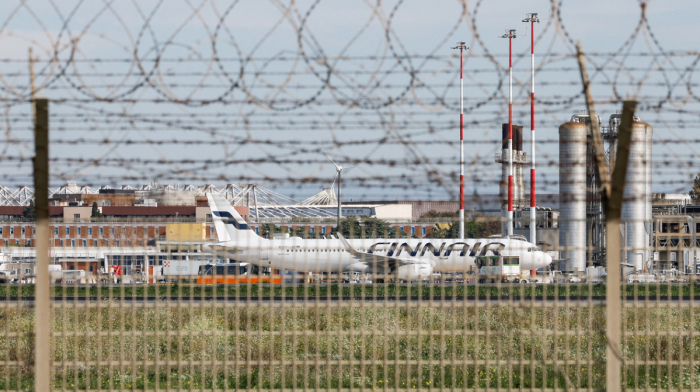
Romanian authorities said late on Thursday that two additional planes had received bomb threats including a KLM flight to Tel Aviv that had a layover in Bucharest.
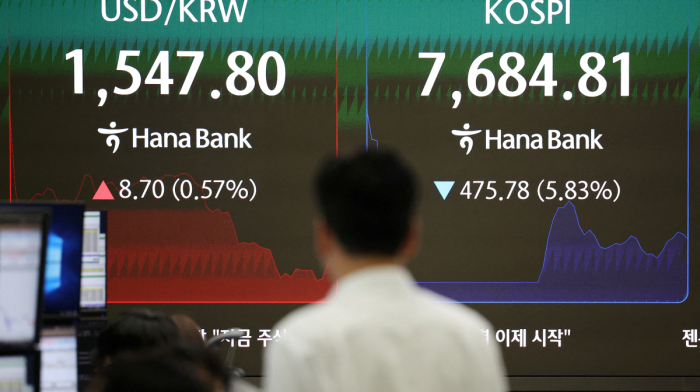
Democrats' sweeping victory in the U.S. midterm elections has sent technology stocks plunging, as investors fear tougher AI regulations could slow infrastructure development and threaten the boom that has driven market gains this year.
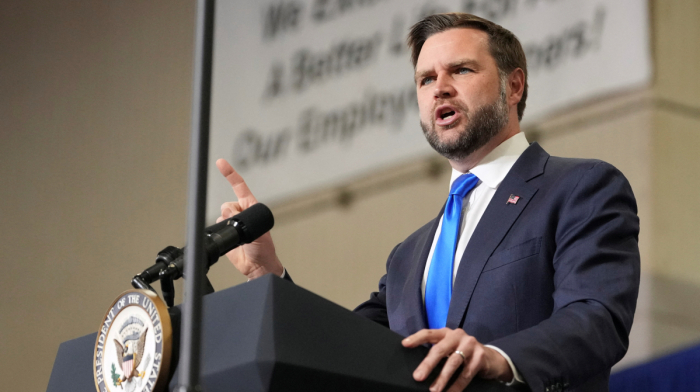
U.S. Vice President JD Vance has blamed the war with Iran for the Republicans' defeat in the 2026 midterm elections, arguing that voters who supported President Donald Trump in 2024 turned to the Democrats because of foreign policy and economic concerns.
The war between Russia and Ukraine continued to claim civilian lives this week even as diplomatic activity intensified ahead of planned peace discussions in Abu Dhabi.
Armenia’s national aspirations must be contained within its internationally recognised borders, Armenian Prime Minister Nikol Pashinyan said on Friday. He was delivering a speech defending his government’s ‘Real Armenia’ ideology at the Global Armenian Summit 2026 in Yerevan on Friday, 6 November.
Australian design platform Canva has announced a major restructuring affecting 22 per cent of its workforce, with 1,271 employees facing job cuts, relocations or changes to their roles as the company grapples with slowing growth and rising AI costs.
British Petroleum (bp) spent nearly $1.5 billion with suppliers and contractors across Azerbaijan, Georgia and Türkiye in the first nine months of 2026, highlighting the economic reach of major energy projects beyond oil and gas production.
Seven OPEC+ countries agreed on Sunday, 1 November, to keep oil production targets unchanged for December, extending an earlier freeze. But with the Iran war disrupting supplies and prices fluctuating, what is really driving the global oil market?
Cryptocurrencies are volatile, and their crashes make headlines. But does a slump in digital coins ever spill over into the pounds, dollars and euros in people's bank accounts? The short answer is not directly, but indirectly it can, and regulators are increasingly worried about how.
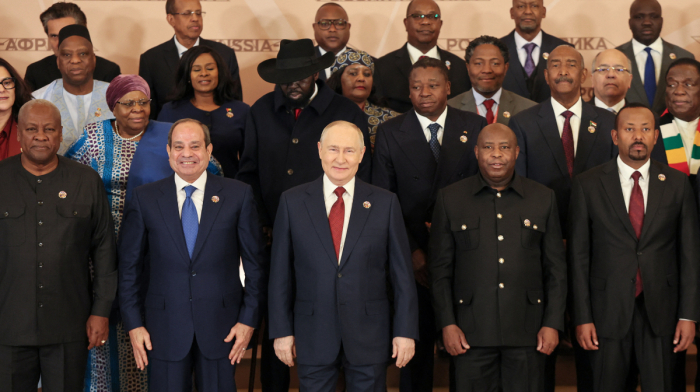
Russian President Vladimir Putin has praised record trade with Egypt as Moscow seeks to use its economic ties with Cairo to expand its influence across Africa, with a focus on manufacturing, infrastructure and energy.
You can download the AnewZ application from Play Store and the App Store.
What is your opinion on this topic?
Leave the first comment