Three killed in San Diego Islamic Centre shooting as police confirm suspects dead
Three people have been killed in a shooting at the Islamic Centre of San Diego, including a security guard while the two suspects were later found ...
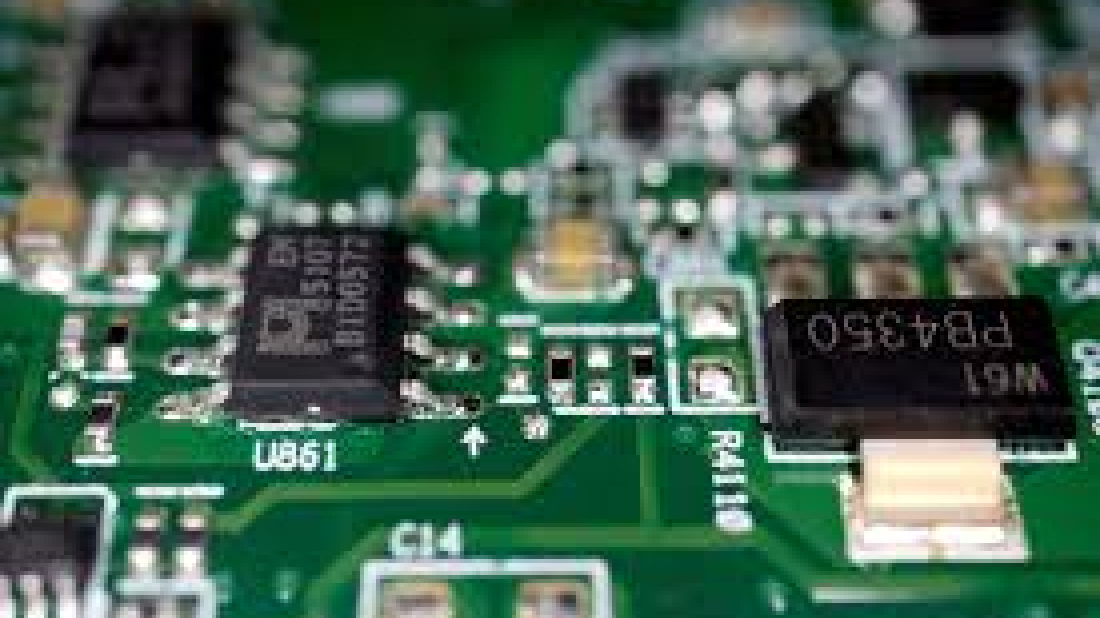
The Vietnamese government has approved funding of 12.8 trillion VND ($500 million) to build a small-scale semiconductor chip manufacturing plant, with the goal of developing a domestic chip industry and ensuring supply chain resilience.
Nguyen Khac Lich, director of the Department of Information and Communications Technology, stated that the government seeks to attract private investments in local semiconductor manufacturing by offering financial incentives to companies.
He added that the government would support 30 percent of the total investment directly from the central budget, provided if the plant begins production before December 31, 2030. The total support amount would not exceed 10 trillion VND ($391.6 million).
In addition, up to 20% of the enterprise's taxable income can be used for reinvestment in the plant's development. Furthermore, land for the semiconductor factory will be allocated without going through public auctions.
The Prime Minister will directly oversee the selection of private companies to partner with the government on this initiative.
"To accelerate semiconductor research, design, and production, Vietnam will invest in a state-supported semiconductor fabrication facility, strengthening its long-term vision of achieving technological self-sufficiency by 2050,"- he said highlighting that the initiative aligns with Vietnam’s Semiconductor Development Strategy to 2030, recently signed by the Prime Minister.
The Vietnamese government has set an ambitious goal of training 50,000 semiconductor engineers by 2030, including:
15,000 engineers for semiconductor design
35,000 engineers for semiconductor manufacturing
Countries like the United States, South Korea, and Japan have already pledged to strengthen chip partnerships with Vietnam, viewing it as a strategic alternative to China and Taiwan.

Bulgaria has won the Eurovision Song Contest for the first time, taking victory in a final overshadowed by a boycott over Israel’s participation and the war in Gaza.
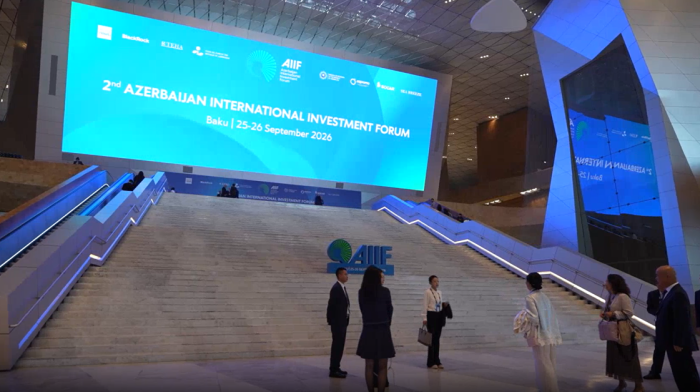
The World Urban Forum (WUF13) continues in Baku, Azerbaijan on 18 May, addressing the global housing crisis. The day’s agenda includes the official opening press conference, the WUF13 Urban Expo opening and a ministerial dialogue on the Nairobi Declaration to advance Africa's urban agenda.
U.S. President Donald Trump said on Monday he had paused a planned attack on Iran after appeals from the leaders of Qatar, Saudi Arabia and the United Arab Emirates, allowing negotiations to continue over a possible deal to end the conflict.
A 5.2 magnitude earthquake struck China’s Guangxi region early on Monday, killing two people and forcing more than 7,000 residents in Liuzhou to evacuate as rescue efforts continued.
U.S. President Donald Trump says China's Xi Jinping agreed Iran must reopen the Strait of Hormuz, as Tehran prepares a new shipping mechanism. Tensions over the U.S. blockade and stalled nuclear talks continue to disrupt global oil supplies.
Government bond markets from Tokyo to New York extended losses on Monday (18 May) as rising energy prices linked to the Middle East conflict heightened inflation concerns and reinforced expectations that major central banks could keep interest rates higher for longer.
Negotiations between Samsung Electronics and its workforce on Wednesday have broken down, officials said, raising fresh concerns over potential disruption to South Korea’s export-heavy economy.
By the time American shoppers began noticing higher prices on everything from trainers to televisions, the world's two largest economies were already deep in a trade war that left the world wondering how it would end.
The Strait of Hormuz remains a vital maritime chokepoint and serves as the primary artery linking the Persian Gulf to international energy markets. With approximately 20% of global oil and gas shipments transiting this waterway, it is the backbone of energy security for Asia, Europe, and beyond.
China’s exports grew faster than expected in April, as overseas buyers moved quickly to secure supplies amid fears that the conflict involving Iran could drive up global energy and transport costs.
You can download the AnewZ application from Play Store and the App Store.
What is your opinion on this topic?
Leave the first comment