



12:59 CET
Middle East conflict
live Saudi Aramco building attacked, limited fire reported
A building at Saudi Aramco’s headquarters in ...


At the start of 2026, something unusual happened in China's car market. BYD, the company that had spent years at the top of the domestic sales charts, was knocked off its perch by a rival.
Geely outsold it for two months in a row, and the headlines reflected a genuine shift in momentum. Then the war in Iran broke out, oil prices surged, and everything changed.
BYD, which had lost its title as mainland China's largest carmaker in the first quarter of 2026, rebounded strongly in the following two months as the U.S.-Israel war with Iran drove up oil prices. Its overseas deliveries surged 76 per cent year on year to nearly 300,000 units during the period.
By May, BYD had delivered 1.41 million vehicles globally between January and that month, 19 per cent more than Geely's 1.18 million units over the same stretch.
The conflict, which broke out on February 28, disrupted the Strait of Hormuz - the narrow waterway through which roughly 20 per cent of the world's oil supply passes.
When ships stopped moving freely through the strait, oil prices climbed sharply. And when petrol becomes expensive, the calculation for buying an electric car changes almost overnight.
The price difference between used electric vehicles and used petrol vehicles shrank from an average gap of nearly $5,000 to just over $1,300 between February 2025 and February 2026 - meaning that for millions of buyers sitting on the fence, the financial case for going electric suddenly became a lot harder to ignore.
Countries that had been slow to adopt EVs, including the United States, saw renewed interest as the oil shock brought a new urgency to the question of fuel costs.
The historical comparison is striking. Analysts have drawn comparisons with the 1970s oil shock, when a sudden spike in global energy prices accelerated the adoption of fuel-efficient Japanese cars in Western markets - ultimately reshaping the global car industry for decades.
The argument is that the Iran war may be doing something similar for Chinese EVs today - it's providing an external shock that accelerates a shift in consumer behaviour that was already underway, and handing Chinese manufacturers an opportunity to cement their position in markets they had only recently entered.
Chinese exports of electric vehicles and hybrids hit a record high in March 2026, rising 140 per cent compared to the same period a year earlier, according to the China Passenger Car Association.
Electric vehicles now account for half of all new car sales within China, which means Chinese manufacturers face no domestic demand disruption from rising fuel prices - leaving them free to focus their resources entirely on export growth while rivals in oil-dependent markets absorb rising costs. It is a structural advantage that no policy decision was created and no competitor can easily replicate.
None of this means BYD's path is entirely clear. The company recorded its first annual profit drop in four years in 2025, with net profit more than halving year on year in the first quarter of 2026, as a brutal domestic price war and subsidy cuts took their toll.
The Chinese EV market at home remains intensely competitive, with dozens of brands fighting for the same buyers and margins under pressure across the board.
And in Europe, tariff pressures are pushing BYD to manufacture locally rather than export, which is a more expensive and complicated proposition than simply shipping cars from its vast factories in southern China.
The recovery has reinforced founder and chairman Wang Chuanfu's ambition to build BYD into the world's largest carmaker by 2030, backed by advances in next-generation batteries and autonomous driving technology.
A target which seemed far-fetched, but now almost within reach thanks to the crisis in the Middle East.

A building at Saudi Aramco’s headquarters in ...
Russian strikes killed ...
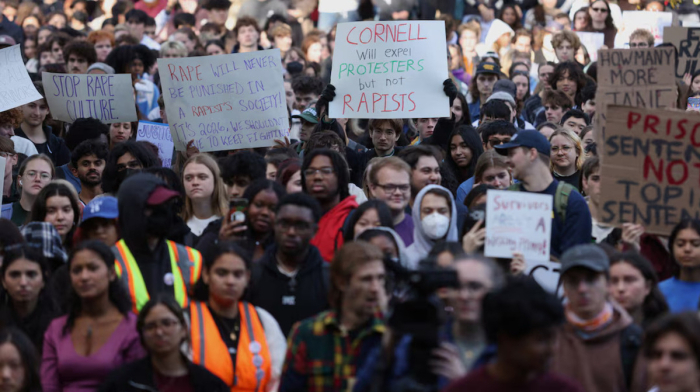
Cornell University has prohibited parties and social gatherings at fraternity houses for the remainder of the academic year following allegations o...

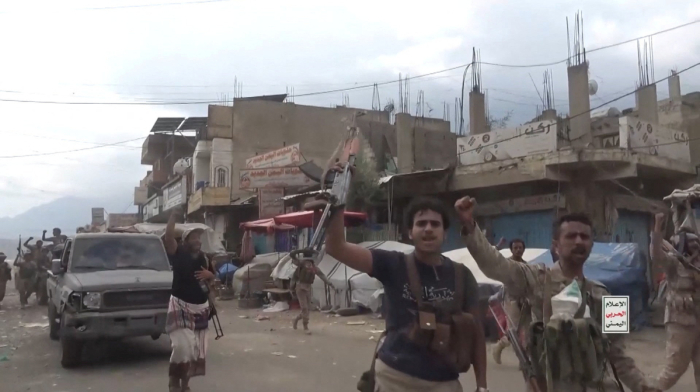
One person was killed and nearly a dozen hurt in a fresh attack on Riyadh's international airport on Sunday, Saudi authorities reported, a day after a strike claimed by Yemen's Houthis killed 13 people and wounded more than 300.
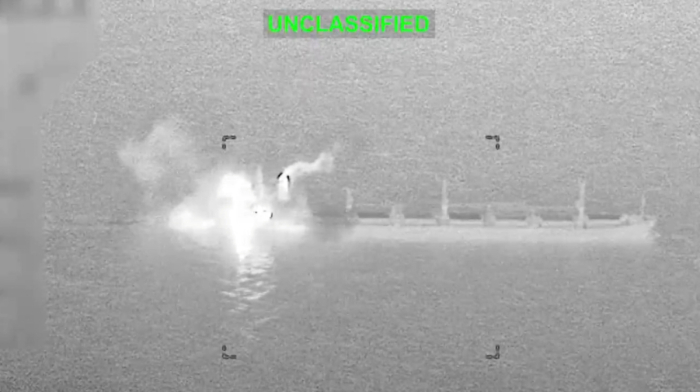
The Saudi-led coalition in Yemen said late Monday that it intercepted and destroyed two ballistic missiles launched by the Houthi group toward Khamis Mushait in southwestern Saudi Arabia.
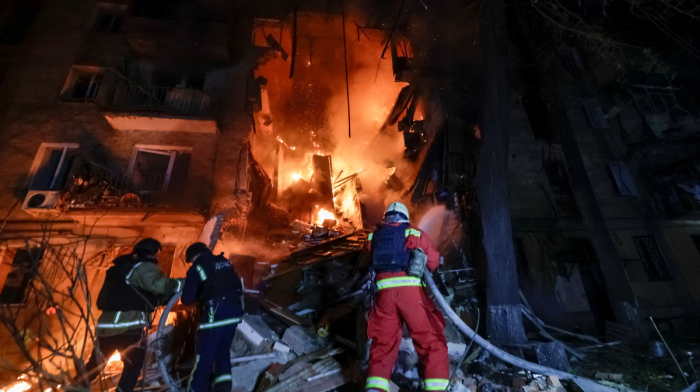
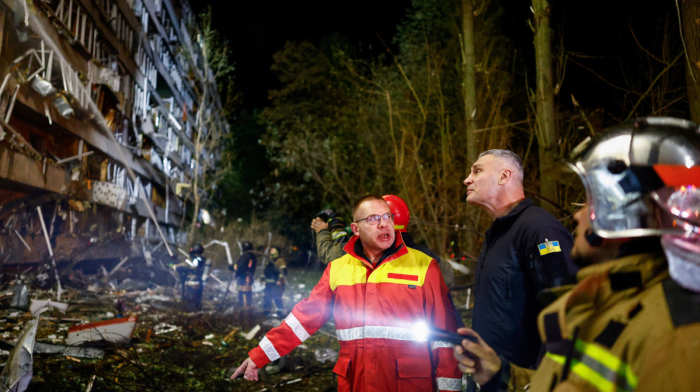
Ukrainian President Volodymyr Zelenskyy says Russia hit at least six energy targets in deadly strikes across Ukraine, showing Moscow is unwilling to accept the energy ceasefire announced by U.S. President Donald Trump.
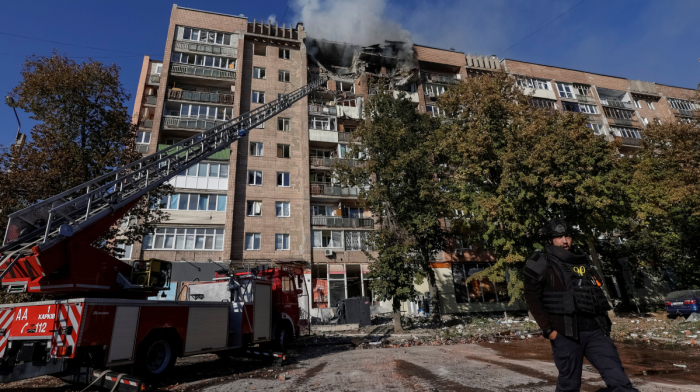
The Kremlin on Monday rejected a 60-day ceasefire idea proposed by Ukrainian President Volodymyr Zelenskyy to allow his country to hold presidential elections, saying it wanted an overall peace deal instead.
A building at Saudi Aramco’s headquarters in the eastern city of Dhahran was attacked late Tuesday, causing a limited fire, Saudi Arabia’s Energy Ministry said on Wednesday. The incident came as fighting between the kingdom and Yemen’s Iran-allied Houthi group intensify.

Asian stocks plunged to their lowest level in more than two months on Tuesday as advances by Chinese chipmakers rattled investor confidence in the artificial intelligence boom, despite soaring global semiconductor sales.
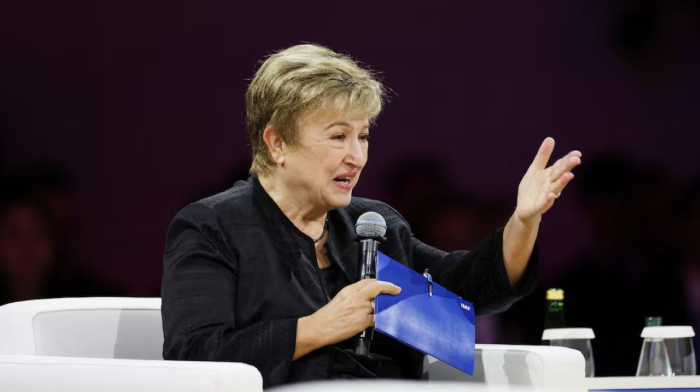
Artificial intelligence investment is helping sustain global growth at around 3 per cent, with Asia poised to reap major benefits. But soaring energy costs, unequal investment and growing pressure on young workers threaten to leave some economies behind.
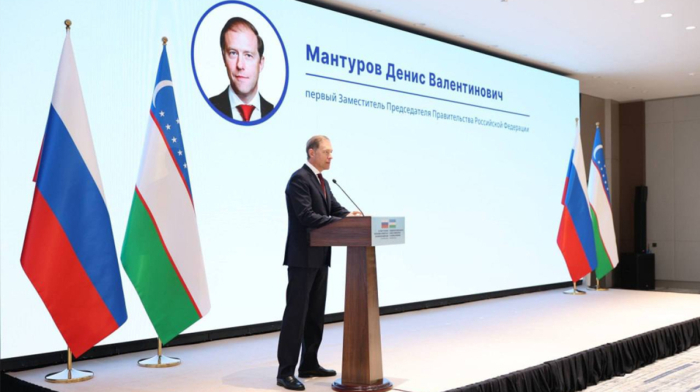
Uzbekistan and Russia have a portfolio of more than 200 joint projects worth almost $6 billion, as the two countries continue to expand regional and business ties. The projects were discussed during the third meeting of the Council of Regions of Russia and Uzbekistan, held in Fergana, Uzbekistan.
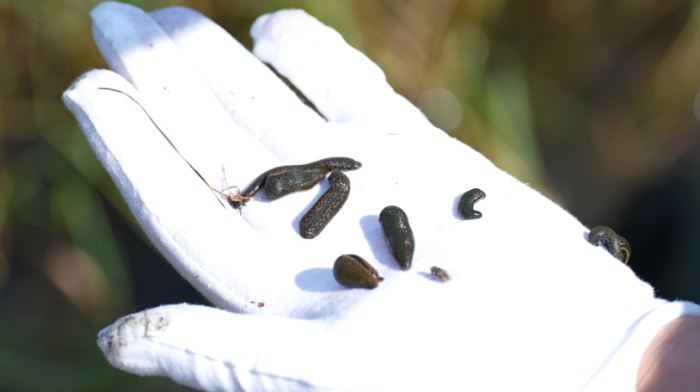
In the marshlands of Malluba in southern Azerbaijan, Kamil Mammadov follows a routine that has been passed down through generations. His family has worked with medicinal leeches for centuries, harvesting and breeding a species known as Hirudo orientalis, or the Caucasian medicinal leech.
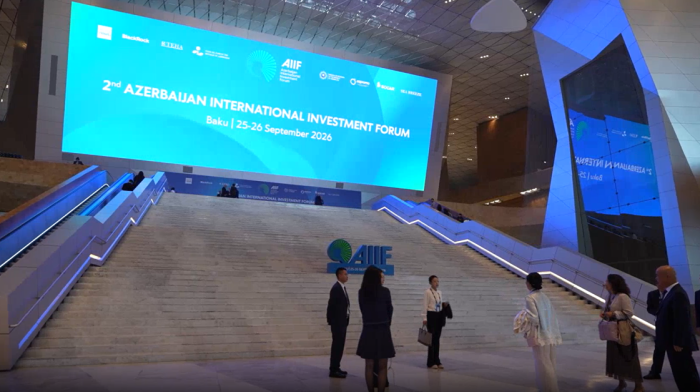
Baku is hosting the second Azerbaijan International Investment Forum (AIIF 2026) and it’s attracting more interest this year, Azerbaijan’s Deputy Prime Minister told AnewZ. “The agenda is very impressive. More guests, more interest,” he said.
You can download the AnewZ application from Play Store and the App Store.




What is your opinion on this topic?
Leave the first comment