Bitter Kabul winter leaves vulnerable Afghan families in crisis
Freezing temperatures and heavy snowfall have pushed vulnerable Afghan families to breaking point, adding new pressure to a country already battered b...
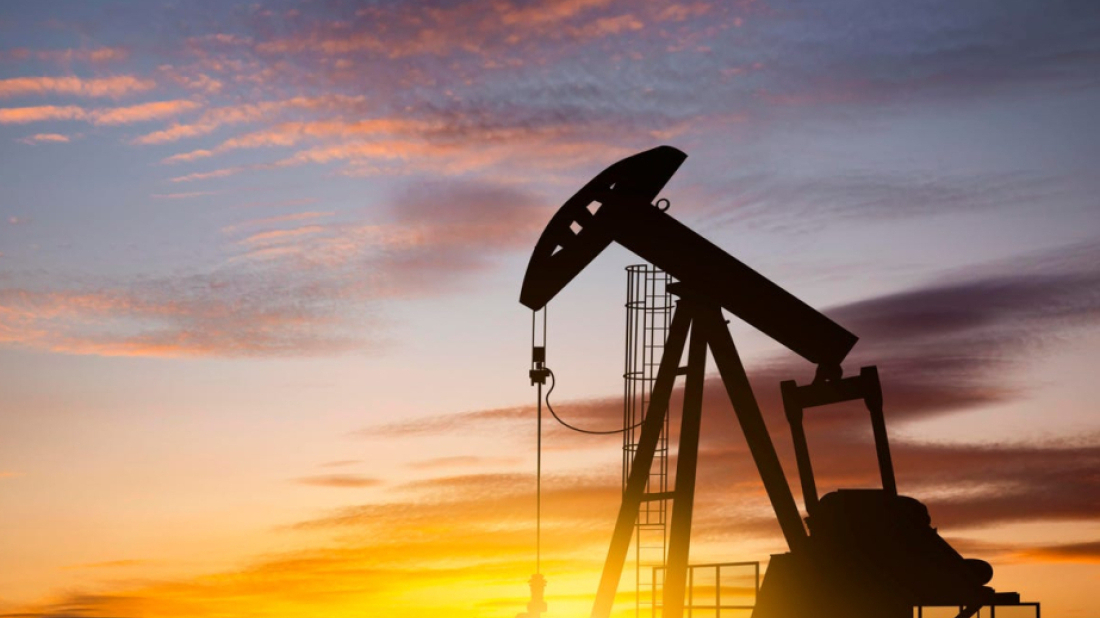
Oil prices fell on Monday as an easing of geopolitical risks in the Middle East and the prospect of another OPEC+ output hike in August improved supply expectations amid persistent uncertainty over the outlook for global demand.
Brent crude futures fell 13 cents, or 0.19%, to $67.64 a barrel by 0344 GMT, ahead of the August contract's expiry later on Monday. The more active September contract was at $66.62, down 18 cents.
U.S. West Texas Intermediate crude dropped 32 cents, or 0.49%, to $65.2 a barrel.
Last week, both benchmarks posted their biggest weekly decline since March 2023, but they are set to finish higher in June with a second consecutive monthly gain of more than 5%.
A 12-day war that started with Israel targeting Iran's nuclear facilities on 13 June pushed up Brent prices, which surged above $80 a barrel after the U.S. bombed Iran's nuclear facilities and then slumped to $67 after President Donald Trump announced an Iran-Israel ceasefire.
The market has stripped out most of the geopolitical risk premium built into the price following the Iran-Israel ceasefire, IG markets analyst Tony Sycamore said in a note.
Further weighing on the market, four delegates from OPEC+, which includes allies of the Organization of the Petroleum Exporting Countries, said the group was set to boost production by 411,000 barrels per day in August, following similar-sized output increases for May, June and July.
OPEC+ is set to meet on 6 July and this would be the fifth monthly increase since the group started unwinding production cuts in April.
However, bearish pressure from concerns over slower global oil demand, particularly from China, is likely to persist.
Uncertainty around global growth continues to cap prices, said Priyanka Sachdeva, senior market analyst at Phillip Nova.
China's factory activity contracted for a third straight month in June, as weak domestic demand and faltering exports weighed on manufacturers amid U.S. trade uncertainty.

The S&P 500 edged to a record closing high on Tuesday, marking its fifth consecutive day of gains, as strong advances in technology stocks offset a sharp selloff in healthcare shares and a mixed batch of corporate earnings.
Residents in Syria’s Kurdish-majority city of Qamishli have stepped up volunteer patrols amid growing pressure from the country’s Islamist-led government, expressing deep mistrust of Damascus despite a fragile U.S.-backed ceasefire.
Liverpool confirmed direct qualification to the UEFA Champions League round of 16 with a 6-0 win over Qarabağ at Anfield in their final league-phase match. Despite the setback, Qarabağ secured a play-off spot, with results elsewhere going in the Azerbaijani champions’ favour on the final matchday.
Iraq's former Prime Minister Nouri Al-Maliki said on Wednesday that he rejects U.S. interference in Iraq's internal affairs, after U.S. President Donald Trump threatened to cut off support to the country if Maliki was picked as prime minister.
Syrian President Ahmed al-Sharaa stressed to U.S. President Donald Trump in a phone call on Tuesday the importance of unifying international efforts to prevent the return of "terrorist groups", including Islamic State.
U.S. stock markets finished mixed on Wednesday (28 January) as investors reacted calmly after the Federal Reserve left interest rates unchanged, a decision that had been widely expected and largely priced in.
The S&P 500 edged to a record closing high on Tuesday, marking its fifth consecutive day of gains, as strong advances in technology stocks offset a sharp selloff in healthcare shares and a mixed batch of corporate earnings.
Chevron is in talks with Iraq’s oil ministry over potential changes to the commercial framework governing the West Qurna 2 oilfield, one of the world’s largest producing assets, after Baghdad nationalised the field earlier this month following U.S. sanctions imposed on Russia’s Lukoil.
Argentina's economic activity shrunk 0.3% in November compared with the same month last year, marking the first monthly contraction of 2025, data from Argentina's national statistics agency showed on Wednesday.
Wall Street closed sharply lower on Tuesday as global markets fell after U.S. President Donald Trump’s new tariff threats against Europe unsettled investors and revived fears of renewed volatility.
You can download the AnewZ application from Play Store and the App Store.
What is your opinion on this topic?
Leave the first comment