Azerbaijan, U.S. and Armenia launch trilateral working groups to advance TRIPP project
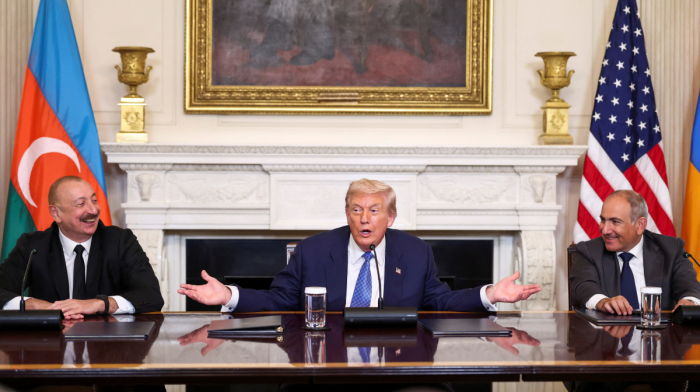
Azerbaijan, the United States and Armenia have launched trilateral technical planning groups to advance the Trump Route for International Peace and...
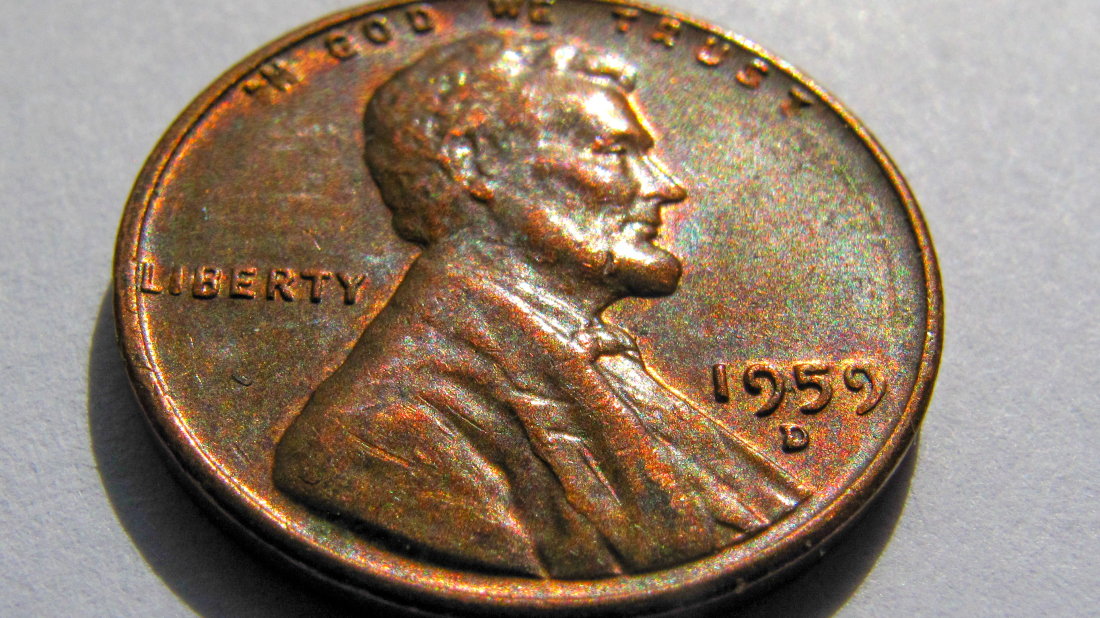
The U.S. Mint will end production of the penny by early next year, citing high manufacturing costs and a directive from President Donald Trump.
The United States is preparing to retire the penny. The Treasury Department announced Thursday that the U.S. Mint has placed its final order for penny blanks and will halt production in early 2026.
President Donald Trump ordered the move earlier this year, saying the country should cut wasteful spending. "Let’s rip the waste out of our great nation’s budget, even if it’s a penny at a time," he said in February.
The cost of producing a penny has risen sharply. It now costs 3.69 cents to make a coin worth only one cent. That is up from 1.3 cents per coin just a decade ago. In 2024 alone, the cost rose by 20 percent.
Ending production is expected to save the federal government about $56 million each year. The savings could grow further with reduced facility operations and materials.
Without the penny, retailers and businesses will need to round cash transactions to the nearest five cents. Canada made a similar move in 2013 when it eliminated its one-cent coin.
Despite its declining value, the penny remains the most produced coin in the U.S. The Mint reported producing 3.2 billion pennies last year, accounting for more than half of all new coins. An estimated 114 billion pennies are currently in circulation.
Two bipartisan bills have been introduced in Congress to formally end penny production. Senators Mike Lee and Jeff Merkley introduced the "Make Sense Not Cents Act" on May 1. A similar proposal, the "Common Cents Act," was filed a day earlier by a bipartisan group of lawmakers in the House and Senate.
The penny has a long history in the United States. It was one of the first coins minted after the U.S. Mint was established in 1792. Abraham Lincoln has appeared on the coin since 1909 to mark the 100th anniversary of his birth. Originally made of pure copper, the penny is now composed of a copper-plated zinc alloy.
The Mint has not said whether a final commemorative penny will be issued before the coin is discontinued.
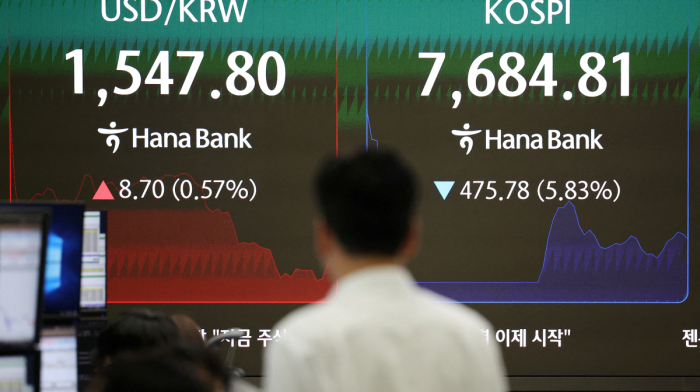
Democrats' sweeping victory in the U.S. midterm elections has sent technology stocks plunging, as investors fear tougher AI regulations could slow infrastructure development and threaten the boom that has driven market gains this year.
Romanian authorities said late on Thursday that two additional planes had received bomb threats including a KLM flight to Tel Aviv that had a layover in Bucharest.
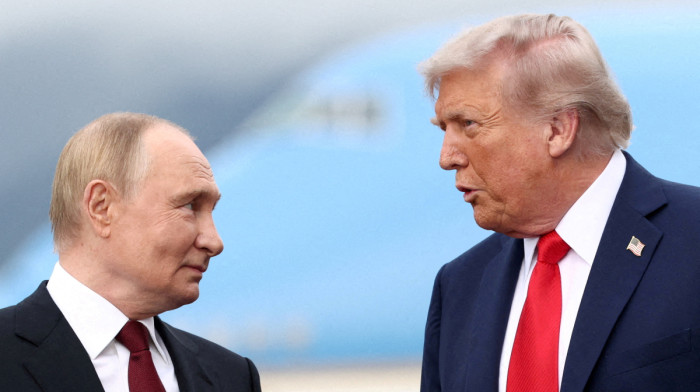
U.S. President Donald Trump has predicted a breakthrough in efforts to end the war in Ukraine after meeting Russian President Vladimir Putin’s envoy, Kirill Dmitriev, ahead of U.S.-mediated peace talks between Moscow and Kyiv in Abu Dhabi on 10-11 November.
U.S. Defense Secretary Pete Hegseth has vowed to fight attempts to impeach him, dismissing the growing campaign against him as politically motivated amid mounting criticism of his handling of the war in Iran.
Two people, including a child, were killed and 16 others injured when an intercity bus crashed in eastern France on Friday morning, authorities confirmed.
Australian design platform Canva has announced a major restructuring affecting 22 per cent of its workforce, with 1,271 employees facing job cuts, relocations or changes to their roles as the company grapples with slowing growth and rising AI costs.
British Petroleum (bp) spent nearly $1.5 billion with suppliers and contractors across Azerbaijan, Georgia and Türkiye in the first nine months of 2026, highlighting the economic reach of major energy projects beyond oil and gas production.
Seven OPEC+ countries agreed on Sunday, 1 November, to keep oil production targets unchanged for December, extending an earlier freeze. But with the Iran war disrupting supplies and prices fluctuating, what is really driving the global oil market?
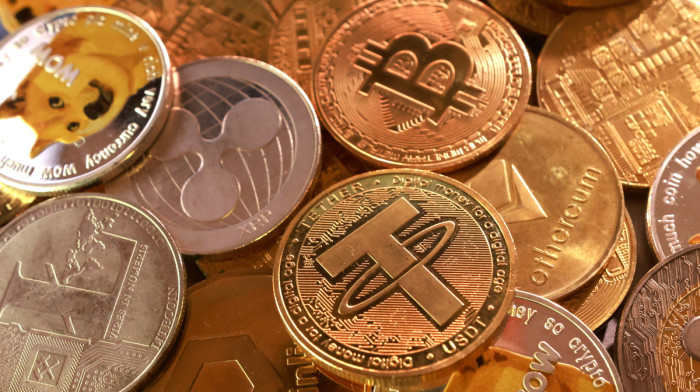
Cryptocurrencies are volatile, and their crashes make headlines. But does a slump in digital coins ever spill over into the pounds, dollars and euros in people's bank accounts? The short answer is not directly, but indirectly it can, and regulators are increasingly worried about how.
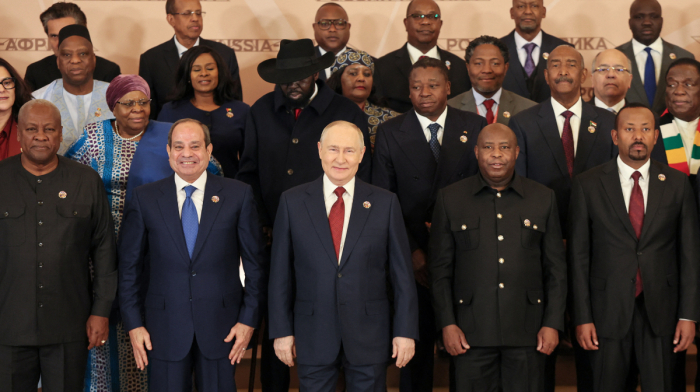
Russian President Vladimir Putin has praised record trade with Egypt as Moscow seeks to use its economic ties with Cairo to expand its influence across Africa, with a focus on manufacturing, infrastructure and energy.
You can download the AnewZ application from Play Store and the App Store.
What is your opinion on this topic?
Leave the first comment