Kazakhstan vows to fast-track AZAL crash investigation amid rising diplomatic tensions
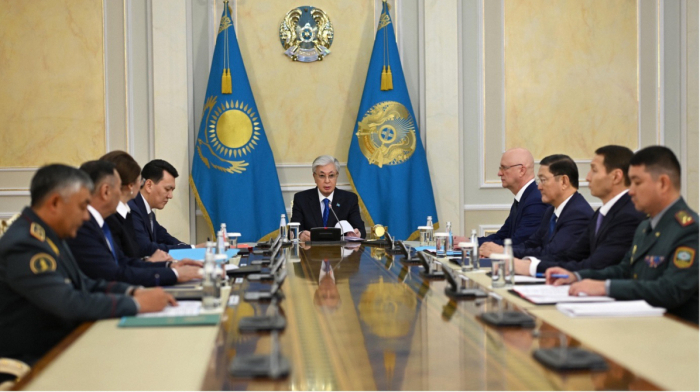
Kazakhstan has vowed to speed up its investigation into the Azerbaijan Airlines (AZAL) crash near Aktau, as mounti...
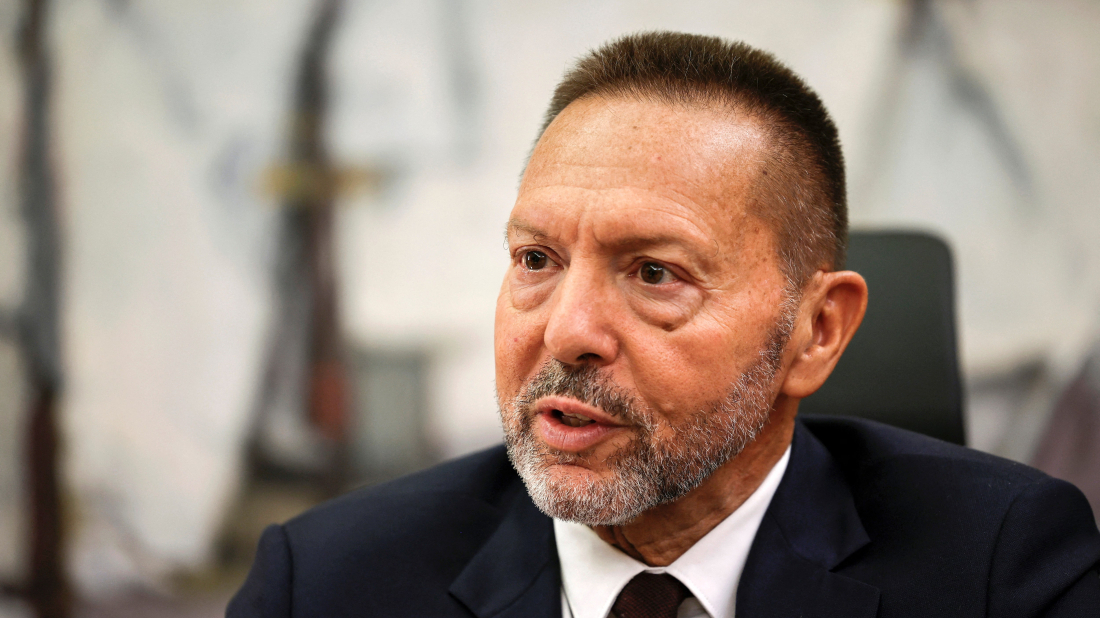
Greek central bank governor Yannis Stournaras warned in an interview with the Financial Times on Monday that US President Donald Trump’s new tariff measures could slow euro area economic growth by between 0.5 and 1 percentage point.
His comments come as EU nations consider targeted countermeasures on up to $28 billion of US imports - from items like dental floss to diamonds.
The 27-member bloc currently faces a 25% tariff on steel, aluminum, and cars, along with “reciprocal” tariffs of 20% on nearly all other goods, effective from Wednesday. Stournaras cautioned that the emerging global trade war might trigger a significant “negative demand shock” in the eurozone, potentially weakening economic activity and pushing inflation below central bank targets.
He explained, “A notable adverse impact on growth could lead to activity being much weaker than expected, dragging inflation below our targets.” The European Central Bank has estimated that a blanket 25% US tariff on European imports would reduce eurozone growth by 0.3 percentage points in the first year, a figure that could rise to half a percentage point if the EU enacts its own counter-tariffs.
Stournaras described the tariffs as deflationary measures and noted that some of the US actions have been “worse than expected,” contributing to an “unprecedented” degree of global policy uncertainty. With the next ECB rate decision set for April 17 and eurozone inflation easing to 2.2% in March from 2.3% in February, there is growing speculation about further interest rate cuts.
Trade between the US and the EU remains robust, with 2024 figures showing US imports from the EU at 334 billion euros, compared to 532 billion euros in EU exports to the United States. On April 2, Trump announced a 10% baseline tariff on all US imports along with higher duties on goods from roughly 60 countries, intensifying the trade dispute.

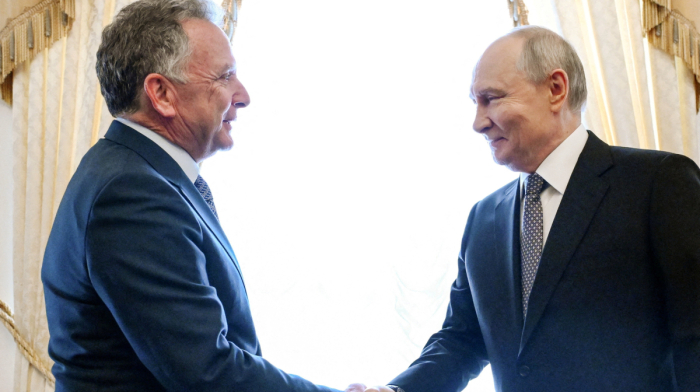
The Kremlin is utilising the recent United States and Israeli military strikes on Iran to validate its ongoing war in Ukraine. Russian officials are pointing to the escalation in the Middle East as evidence that Western nations do not adhere to international rules.
Saudi Arabia’s state oil giant Saudi Aramco closed its Ras Tanura refinery on Monday following an Iranian drone strike, an industry source told Reuters as Tehran retaliated across the Gulf after a U.S.-Israeli attack on Iranian targets over the weekend.
The Middle East crisis intensifies after the deadly attack on the compound of the Supreme Leader of Iran Ali Khamenei on Saturday that killed him, other family members and senior figures. Iran has launched retaliatory strikes on U.S. targets in the region.
U.S. President Donald Trump said the U.S. military has enough stockpiled weapons to fight wars "forever"; in a social media post late on Monday. The remarks came hours before conflict in Iran and the Middle East entered its fourth day.
Türkiye raised its security level for Turkish-flagged vessels in the Strait of Hormuz to Level 3 on Sunday (2 March). The development follows Iranian restrictions on shipping after U.S. and Israeli strikes and confirmation of Supreme Leader Ali Khamenei’s death.
China’s top leadership has unveiled a new push to turn advanced technologies into large-scale industrial priorities as part of the country’s upcoming 15th Five-Year Plan, which will guide economic and social development from 2026 to 2030.
The European Commission sees no immediate impact on the European Union's security of oil supply from the escalating conflict in the Middle East, it said in an email to EU governments, seen by Reuters on Monday (2 March).
Paramount Skydance emerged as the winner in a months-long battle to acquire Warner Bros Discovery after streaming giant Netflix on Thursday refused to raise its bid for the storied Hollywood studio.
Global debt surged to a record $348.3 trillion at the end of 2025, after nearly $29 trillion was added over the year, marking the fastest annual increase since the pandemic, according to the Institute of International Finance (IIF) report released on Wednesday.
Millions of Colombian roses have arrived in the United States just in time for Valentine’s Day, keeping the country on track as the world’s second-largest flower exporter. Between 15 January and 9 February, Colombia shipped roughly 65,000 tons of fresh-cut blooms.
You can download the AnewZ application from Play Store and the App Store.
What is your opinion on this topic?
Leave the first comment