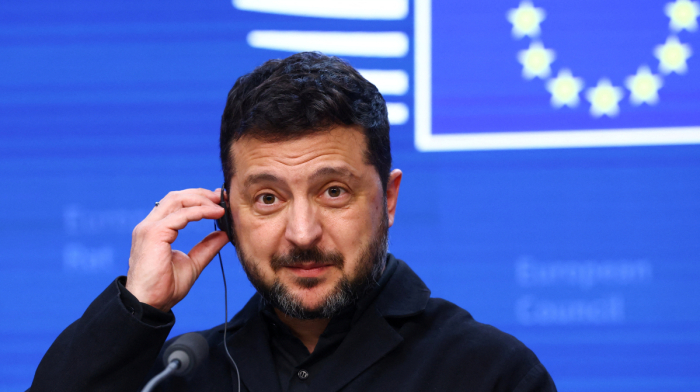
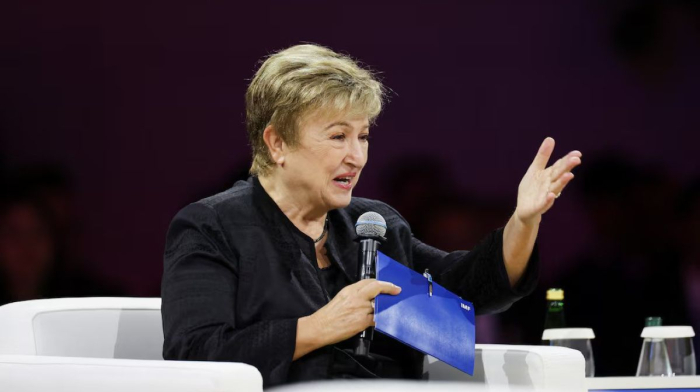
Zelenskyy says Ukraine, U.S. and Russia could meet at G20 summit
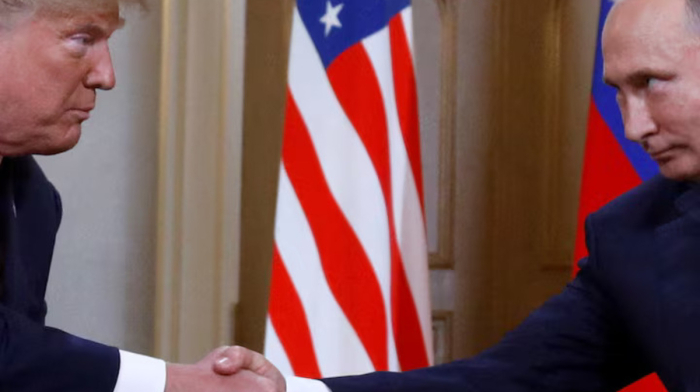
Ukrainian President Volodymyr Zelenskyy said on Saturday that a potential meeting between Ukraine, the United States and Russia could take place du...
Italy’s ruling League party has said domestic banks should contribute around €5 billion ($5.85 billion) towards the 2026 budget.
The proposal, the party explained in a statement, draws on windfall tax measures already implemented in several European countries. The League, led by Deputy Prime Minister Matteo Salvini and counting Economy Minister Giancarlo Giorgetti among its senior figures, said the aim was “to intervene on the excess profits of the major credit institutions.”
According to a source familiar with the matter, the League is considering a Spanish-style levy on banks, taxing net interest income and commissions with bands ranging from 1% to 7%.
Giorgetti said last week that Italy’s banking sector had recorded “stratospheric profits” over the past five years and should now contribute more to public finances.
The plan is expected to face opposition within the governing coalition, particularly from Forza Italia, which has voiced strong resistance to windfall taxation of banks.
“Banks can and must do their duty, but ‘extra profit’ is something that doesn’t exist,” said Forza Italia leader Antonio Tajani, who also serves as deputy prime minister and foreign minister. “Taxing extra profits and continuing to threaten the banks risks destabilising our entire financial system, alarming the markets and driving investors away.”
Italy previously attempted to impose a 40% windfall tax on banks in 2023, but the measure triggered a sharp sell-off in banking shares, forcing the government to scale back the plan. A package of measures introduced at the end of 2024 eventually raised €4 billion from the sector to help finance this year’s budget.
Other options currently under discussion include tightening the rules on how banks use deferred tax assets to reduce their tax liabilities, following last year’s precedent, or introducing a levy on share buybacks designed to reward shareholders, the source added.
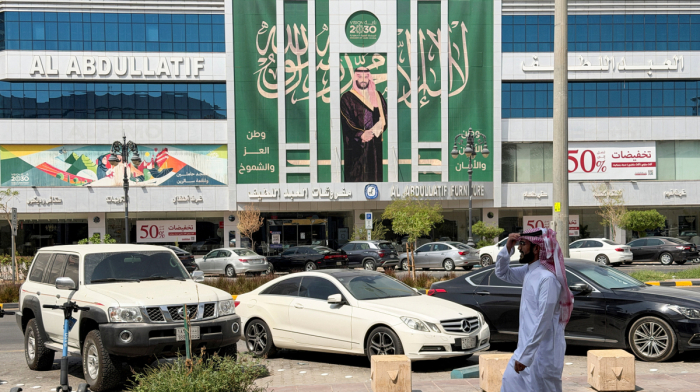
The U.S. has banned government employees working in Saudi Arabia from using airports in the country without special authorisation. It comes after a deadly Houthi strike on Riyadh's King Khalid International Airport killed at least 13 people last week.
The Saudi-led coalition said early Thursday that it intercepted and destroyed a drone over Saudi Arabia’s Eastern Province.
U.S. President Donald Trump has called it “a disgrace” that Ukraine has resumed attacks on Russian oil refineries. Attacks are continuing from Russia and Ukraine as media reports say Ukraine has almost run out of Patriot interceptor missiles.
Ukraine is set to restart attacks on Russian oil refineries following a two-day pause, President Volodymyr Zelenskyy said, amid growing tensions with Washington over energy strikes and U.S. military support.
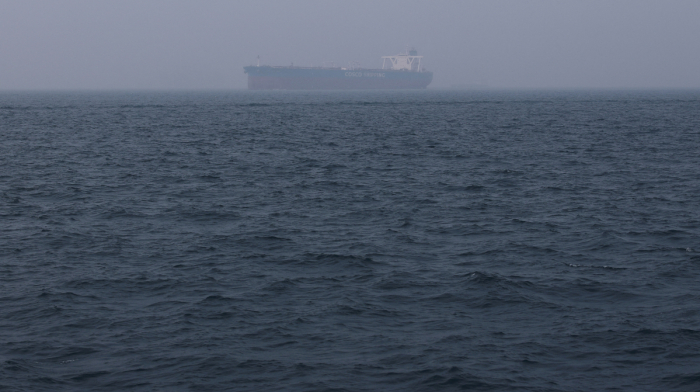
An unknown projectile struck a tanker 68 nautical miles northeast of Saudi Arabia on Friday according to a report released by the United Kingdom Maritime Trade Operations (UKMTO) on Saturday.
U.S. President Donald Trump has lifted sanctions on Russian diesel exports and announced a Russia-Ukraine energy ceasefire aimed at easing fuel prices ahead of November’s midterm elections. But can Moscow deliver and will the move will bring meaningful relief to markets?
Taiwan plans to buy 30 per cent of Alaska LNG's annual output and invest up to $4.4 billion in the project, but binding contracts and financing remain unresolved as the U.S. pushes to expand energy exports to Asia.
Asian stocks plunged to their lowest level in more than two months on Tuesday as advances by Chinese chipmakers rattled investor confidence in the artificial intelligence boom, despite soaring global semiconductor sales.
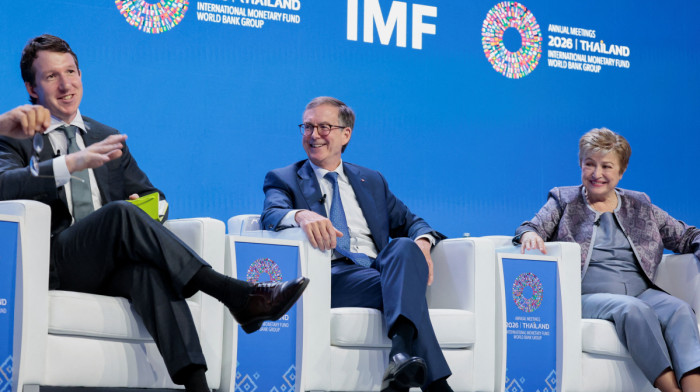
Artificial intelligence investment is helping sustain global growth at around 3 per cent, with Asia poised to reap major benefits. But soaring energy costs, unequal investment and growing pressure on young workers threaten to leave some economies behind.
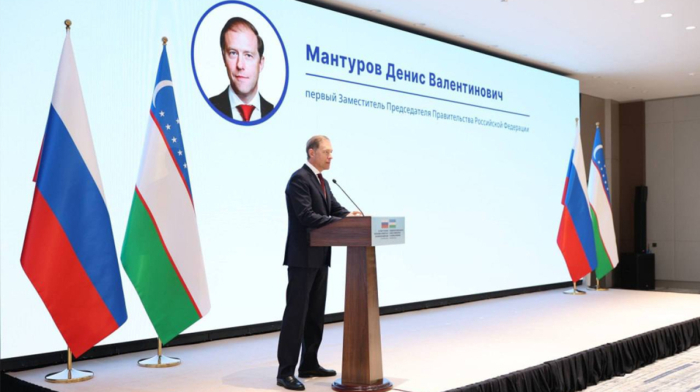
Uzbekistan and Russia have a portfolio of more than 200 joint projects worth almost $6 billion, as the two countries continue to expand regional and business ties. The projects were discussed during the third meeting of the Council of Regions of Russia and Uzbekistan, held in Fergana, Uzbekistan.
You can download the AnewZ application from Play Store and the App Store.
What is your opinion on this topic?
Leave the first comment