Australian scientists have developed synthetic chemicals to attract crown-of-thorns starfish for mass removal, offering a safer, targeted method to protect coral reefs.
Scientists have deployed synthetic versions of chemicals produced by crown-of-thorns starfish (CoTS) to attract and concentrate the destructive coral-eating species for efficient removal on the Great Barrier Reef, according to new research.
The breakthrough came when researchers discovered that CoTS use peptides found in their spines as pheromones to communicate and swarm. This finding has enabled the development of targeted control strategies aimed at reducing their impact on coral ecosystems.
The study was conducted by the University of the Sunshine Coast (UniSC) and the Australian Institute of Marine Science. In a recent news release, UniSC Professor Scott Cummins, one of the study’s authors, explained the significance of the discovery.
"Using synthetic attractants to draw starfish to a single location could support the simultaneous removal of many in one efficient sweep," said Cummins.
In controlled experiments, the synthetic attractants safely and reliably drew starfish together. The findings, published in the journal iScience, suggest that these peptides could enable more efficient and cost-effective large-scale removals of CoTS populations.
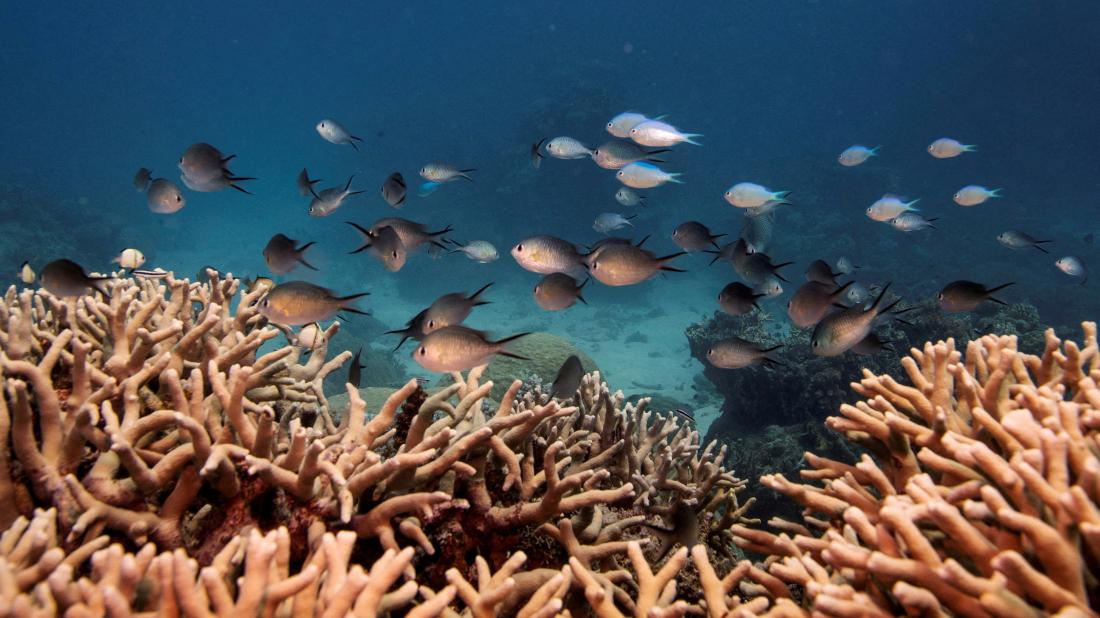
The crown-of-thorns starfish is one of the most significant threats to coral reefs across the Indo-Pacific region, including the Great Barrier Reef. Outbreaks can cause rapid and widespread coral decline as the starfish feed on living coral tissue.
Currently, management of CoTS outbreaks requires divers to locate and inject each starfish individually with lethal substances such as bile salts or vinegar-based solutions. This process is labour-intensive, time-consuming, and costly, often limiting the scale of interventions.
The new peptide-based method offers a targeted, environmentally safe alternative by concentrating starfish in specific areas for efficient removal. While the synthetic attractants have so far only been tested in laboratory settings, researchers believe they show strong potential for real-world application.
Professor Cummins said further field testing would be required before deploying the technology at scale. However, he noted that the results demonstrated a reliable behavioural response from the starfish, making it an ideal candidate for future reef protection strategies.
"Our findings open the door to developing tools that manipulate the natural behaviours of CoTS for more effective control," he said.
The research team plans to work with reef management authorities to explore large-scale field trials. If successful, this approach could support the ongoing efforts to restore coral cover on the Great Barrier Reef, which has faced multiple pressures from climate change, bleaching events, and CoTS outbreaks.
The discovery aligns with global calls for innovative solutions to protect marine biodiversity in the face of accelerating ecological threats.
Researchers say integrating this peptide-based method with current CoTS control programmes could significantly enhance efficiency and reduce costs, giving reefs a better chance to recover and thrive.























What is your opinion on this topic?
Leave the first comment