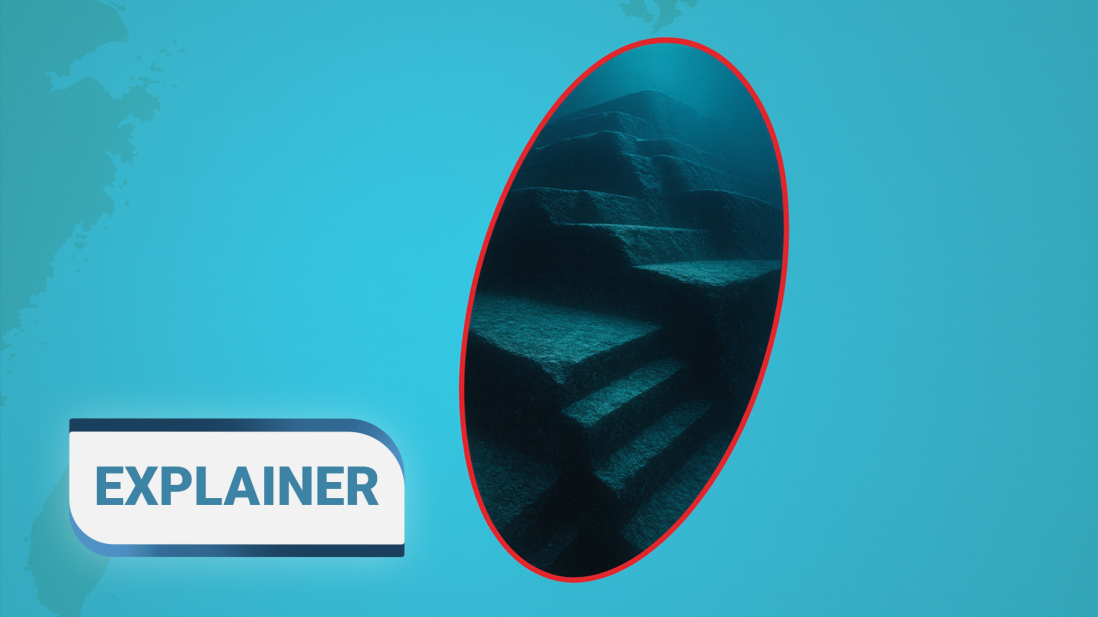
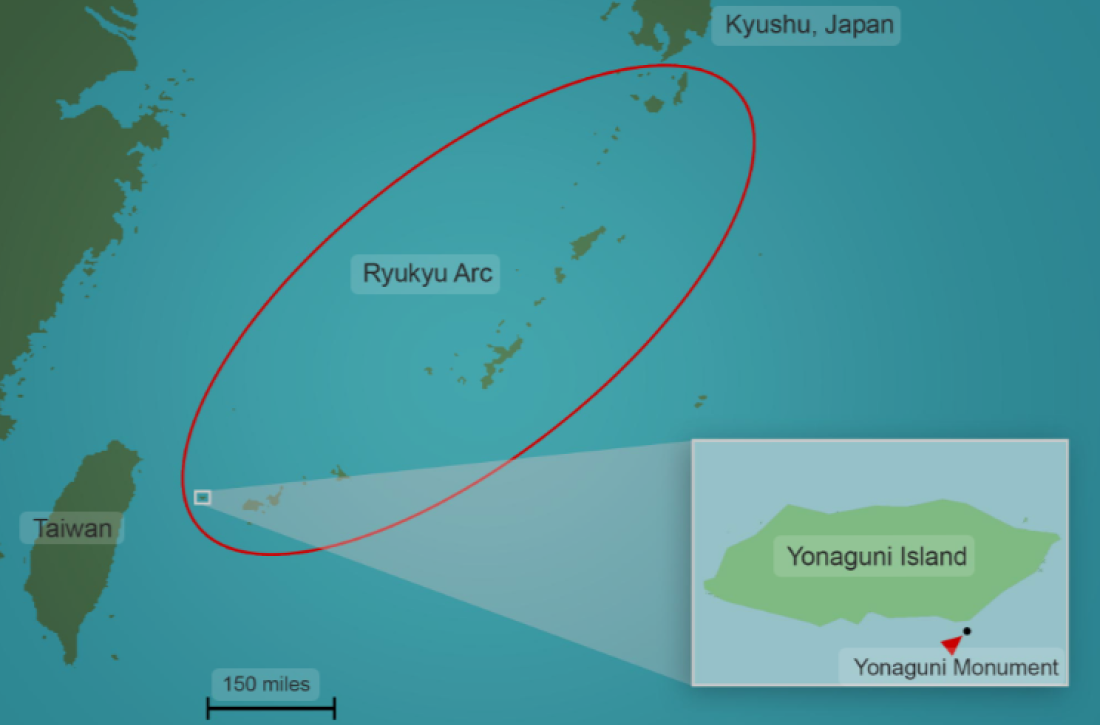
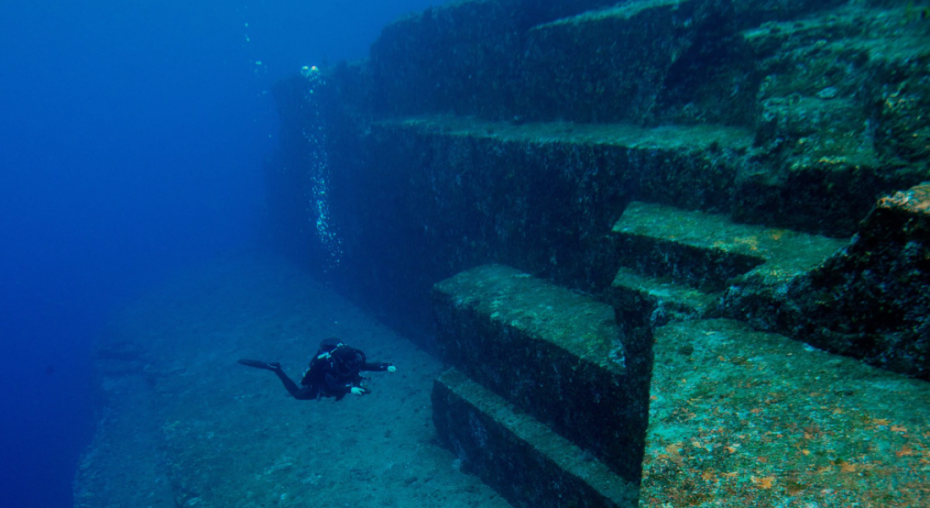
Off the southern coast of Japan, beneath the turquoise waters of the East China Sea, lies a structure that has puzzled researchers for decades. Known as the Yonaguni Monument, this underwater formation resembles a giant step pyramid and is the centre of one of archaeology’s most fascinating debates.
A discovery that shook history books
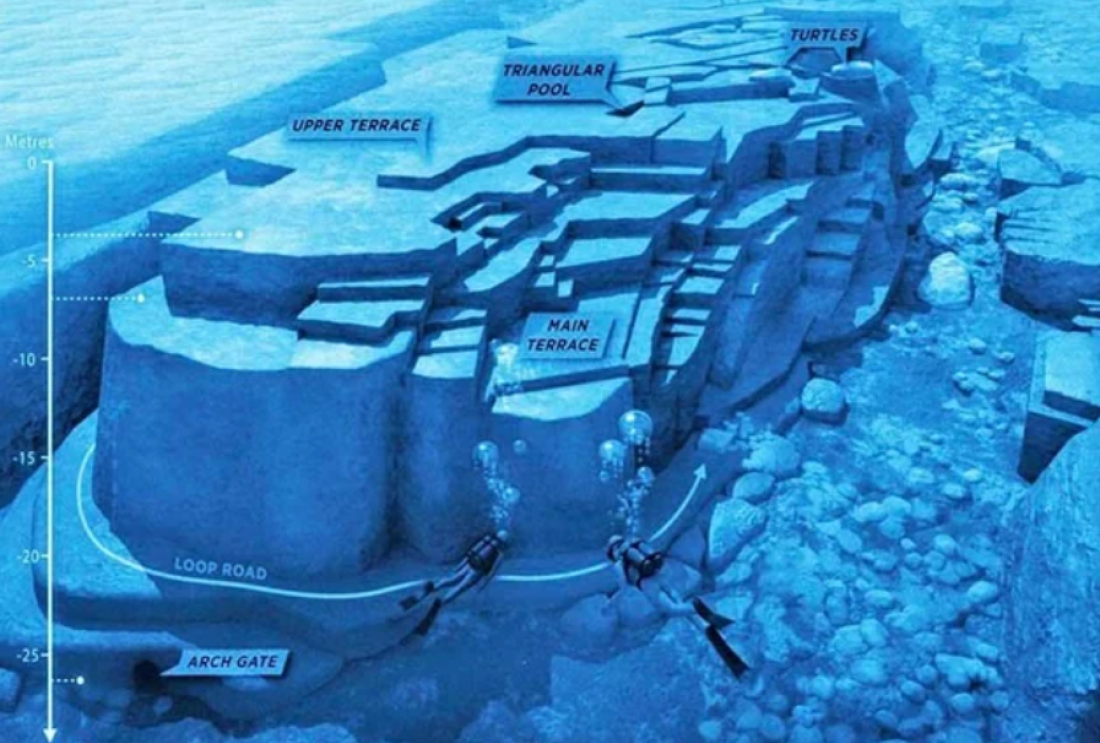
The monument was first discovered in 1986 by a local diver near Yonaguni Island, part of the Ryukyu archipelago. Submerged about 25 metres (82 feet) beneath the surface, the formation stretches some 90 feet high and features sharp-angled terraces, flat platforms, and what appear to be steps.
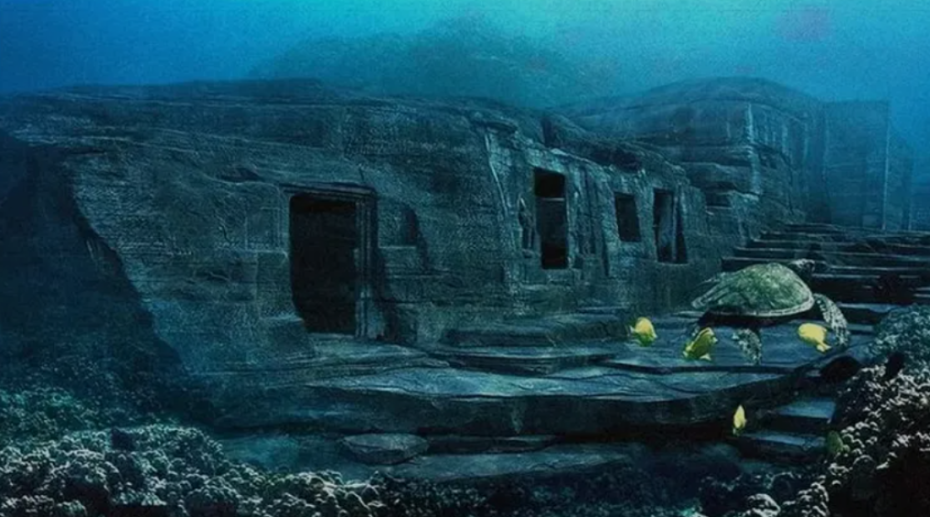
Photographs of the site instantly fuelled comparisons to Mayan pyramids or even the terraced stonework of Machu Picchu, sparking speculation that it could represent the ruins of a long-lost civilisation.
Initial dating of the stone suggested the formation could be more than 10,000 years old, older than the pyramids of Giza and Stonehenge. If true, this would place the structure’s creation long before the rise of agriculture, when humans were thought incapable of organising such monumental construction.
Between science and speculation
Since its discovery, experts have split into two camps.
The natural formation theory
Geologists argue that Yonaguni’s sandstone and mudstone naturally fracture into straight lines, giving the impression of stairs and plazas. Robert Schoch, who has dived the site extensively, concluded:
“As difficult as it may be for some to accept, I have to report that I do not believe it is an artificial, human-made structure. It is indeed incredible, but it is primarily natural.”
Archaeologist Flint Dibble echoed this view in 2024, telling the Joe Rogan Experience:
“I’ve seen a lot of crazy natural stuff, and I see nothing here that to me reminds me of human architecture.”
The lost civilisation theory
Others, including writer Graham Hancock, argue the monument shows unmistakable signs of intelligent design. Hancock points to arches, terraces, and even face-like carvings as proof of human craftsmanship. “To me, Flint, it’s stunning that you see that as a totally natural thing,” he fired back in the same debate. “But I guess we’ve just got very different eyes.”
Supporters of this view link Yonaguni to myths of Mu, a lost Pacific continent akin to Atlantis. They argue the structure may have been built on dry land before sea levels rose dramatically after the last Ice Age, submerging coastlines worldwide.
Legends, links, and lost worlds
Local folklore speaks of sea gods and submerged kingdoms in the waters around Yonaguni. Some divers even claim to see what look like “roads,” “plazas,” and “altars” when swimming around the monument.
Comparisons with sites such as Göbekli Tepe in Türkiye, a 12,000-year-old stone temple complex built millennia before Stonehenge, fuel speculation that advanced civilisations may have existed earlier than once believed. If Göbekli Tepe is evidence of unexpected sophistication on land, could Yonaguni represent its drowned counterpart under the sea?
Why it still matters
If man-made, the Yonaguni Monument would rewrite the timeline of human history, suggesting complex societies flourished long before agriculture. If natural, it remains a geological wonder, one that may have inspired the island’s earliest inhabitants, who carved tombs and shrines into the surrounding rock.
But perhaps the truth lies somewhere in between: a natural formation later admired, modified, or used by ancient people, much like caves decorated with prehistoric art in Europe.
A mystery that endures
Nearly forty years on, the debate remains unresolved. To some, Yonaguni is Japan’s Atlantis; to others, it is a striking reminder of nature’s power to mimic human artistry.
What is certain is that the monument continues to captivate divers, researchers, and dreamers alike, its terraced stones blurring the line between fact and legend.
As Hancock once remarked:
“We are a species with amnesia. Yonaguni may be part of the memory we’ve lost.”
Whether natural or crafted, the Yonaguni Monument reminds us that beneath the ocean’s surface may still lie secrets powerful enough to change the way we see our past.





















What is your opinion on this topic?
Leave the first comment