More than 2,000 detained as Delhi protests demand India election chief’s resignation
Indian police detained more than 2,000 protesters in Delhi on Saturday as authorities blocked a planned demonstration calling for the resignation o...
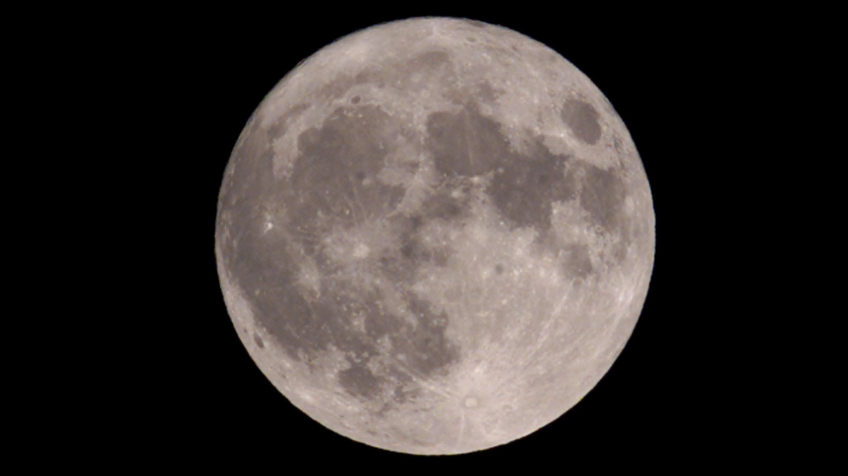
Scientists in Hong Kong say they have developed a method to turn lunar soil into water, oxygen and fuel. The innovation could reduce the need to ship supplies to the Moon and support future deep space missions.
A team at the Chinese University of Hong Kong has created a solar-powered technology that extracts water from lunar soil and uses it to generate oxygen and chemical fuel. The breakthrough may help sustain human life on the Moon and cut the high costs of transporting essentials from Earth.
The study, published in the journal Joule, notes that sending just one gallon of water to space costs about $83,000. An astronaut typically needs about four gallons each day.
Lead researcher Lu Wang said they never fully imagined the "magic" that lunar soil possessed. Still, the Moon's harsh conditions such as extreme temperatures, radiation and low gravity, remain challenges for large-scale use.
The system cannot produce enough from astronauts' exhaled carbon dioxide alone to meet all needs. However, researchers say it is a promising step toward sustainable lunar exploration.

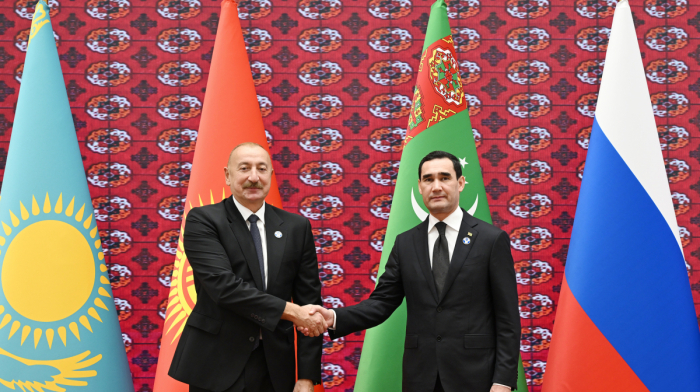
Leaders of countries from the Commonwealth of Independent States (CIS) have agreed to hold coordinated population censuses around 2030. They took the decision at the CIS Council of Heads of State meeting in Awaza, Turkmenistan on Friday, media reported.
Britain and Israel have reached a temporary compromise over the future of the British Consulate General in East Jerusalem, easing a diplomatic dispute that had threatened to further strain relations between the two countries.
A powerful explosion has been reported at King Khalid International Airport in Riyadh, raising fresh concerns over aviation security in Saudi Arabia as tensions across the region continue to escalate.
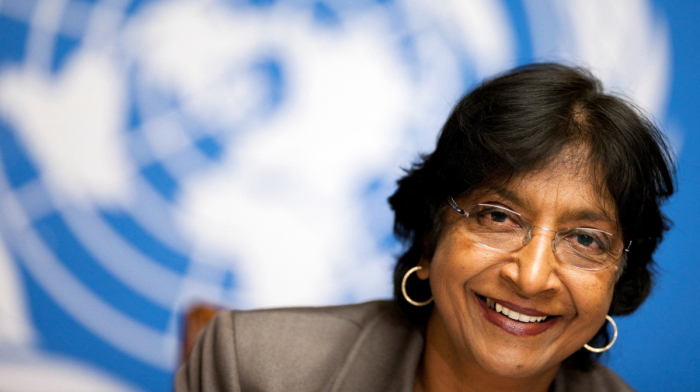
South African judge Navanethem “Navi” Pillay won the Nobel Peace Prize on Friday “for her efforts to promote peace and international law,” the Norwegian Nobel Committee said.
The U.S. has imposed sanctions on the International Criminal Court (ICC) on Friday (9 October) escalating tensions with European allies and potentially targeting companies that provide services to the tribunal. The move came hours after former ICC judge Navi Pillay won the Nobel Peace Prize.
Anthropic has announced that it is updating its usage policy to allow its AI agents to end conversations involving repeated abuse or cruel behaviour towards them, citing previous incidents.
Türkiye has banned children under 15 from using social media under new regulations published on Saturday. The new regulations prohibit firms from providing services to children “who have not reached the age of 15.”
Microsoft has introduced new tools to stop AI agents from accessing data without permission, alongside a Nvidia-powered Surface laptop that can run advanced AI directly on the device.
Picture three scenarios: a hospital that can spot a disease before the patient feels sick, a power grid that feeds thousands of data centres and a government network that is attacked daily. All three depend on artificial intelligence, and one question matters most: who is really in charge?
OpenAI and Anthropic told Australian parliament on Tuesday they would welcome laws requiring them to report data breaches carried out by their AI agents, acknowledging the decision to notify authorities was currently at their discretion.
You can download the AnewZ application from Play Store and the App Store.
What is your opinion on this topic?
Leave the first comment