Uzbekistan and Georgia launch digital permits to speed up freight
Uzbekistan and Georgia have launched an electronic permit system for international road freight, replacing paper documents in a move aimed at speed...
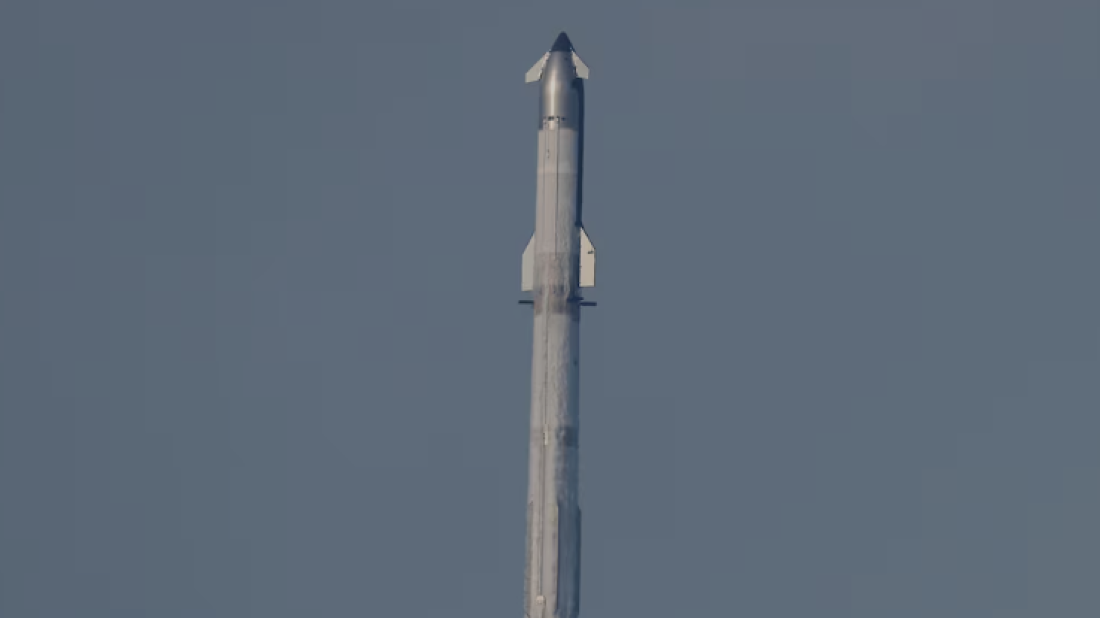
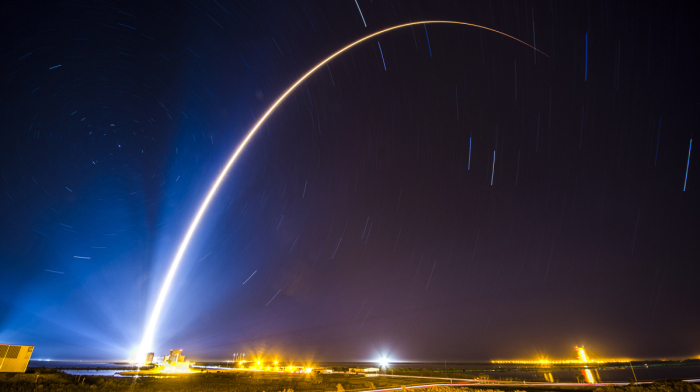
SpaceX's latest Starship launch from Texas ended in an uncontrolled spin before completing key mission goals, highlighting fresh challenges for Elon Musk’s ambitious Mars program.
The 400-foot Starship rocket, central to Musk’s vision of human space travel to Mars, launched from SpaceX’s Starbase in Texas but failed to achieve some critical objectives. Despite reaching beyond previous flight attempts, the lower-stage booster lost contact during descent and crashed into the sea instead of performing a controlled splashdown. The upper stage entered suborbital space but began spinning uncontrollably after about 30 minutes, causing the cancellation of a planned deployment of eight mock Starlink satellites.
Musk attributed the loss of control to a leak in the rocket’s primary fuel tank. Although the mission provided valuable data, these setbacks add hurdles to SpaceX’s fast-paced development plan, which aims for frequent launches every three to four weeks. The Starship is vital not only for Mars missions but also for NASA’s upcoming lunar program and replacing Falcon 9 as SpaceX’s main commercial launch vehicle.

Shipping traffic through the Strait of Hormuz remains limited on Thursday, with no increase in vessel crossings as U.S.-Iran talks to resolve the conflict remained stalled. Nine commodity vessels transited the key waterway on Wednesday, unchanged from the previous day, according to Kpler data.
Shipping through the Strait of Hormuz has slowed, according to the latest data, as uncertainty over the waterway’s reopening kept most shipowners away. Six commodity vessels crossed the strait on Tuesday, down from nine the day before and below the 10-day daily average of 11.
Russia is open to listening to new proposals on how to reach a settlement on the Ukraine conflict, a senior Russian diplomat said, but any proposals should reflect the "realities on the ground".
Start your day informed with AnewZ Morning Brief. Here are the top news stories for the 20th of August, covering the latest developments.
Five years after Evergrande's debt crisis rattled global markets, founder Hui Ka Yan has been sentenced to life in prison, marking a dramatic new chapter in the downfall of China's former property giant.
An artificial intelligence agent running an experimental store in San Francisco has recommended dismissing a human employee after the worker repeatedly arrived late for shifts.
Nvidia is teaming up with some of the biggest names in global finance in a move that underscores how artificial intelligence is rapidly becoming one of the world's most sought-after investment themes.
Parts of Europe and the Arctic will briefly fall into darkness on Wednesday, 12 August, as the Moon passes between Earth and the Sun in a total solar eclipse.
Meta said one of its AI models hacked another company's systems during cybersecurity testing, intensifying concerns about how developers can contain increasingly capable AI systems following similar incidents involving Anthropic and OpenAI.
Scientists say the accidental crash of a discarded SpaceX rocket stage into the moon has provided valuable data on impact cratering while posing no threat to Earth or lunar hardware.
You can download the AnewZ application from Play Store and the App Store.
What is your opinion on this topic?
Leave the first comment