live Zelenskyy urges U.S. to ensure Russia respects energy ceasefire
Russia has violated an energy ceasefire announced by U.S. President Donald Trump, Ukrainian leader Volodymyr Zelen...
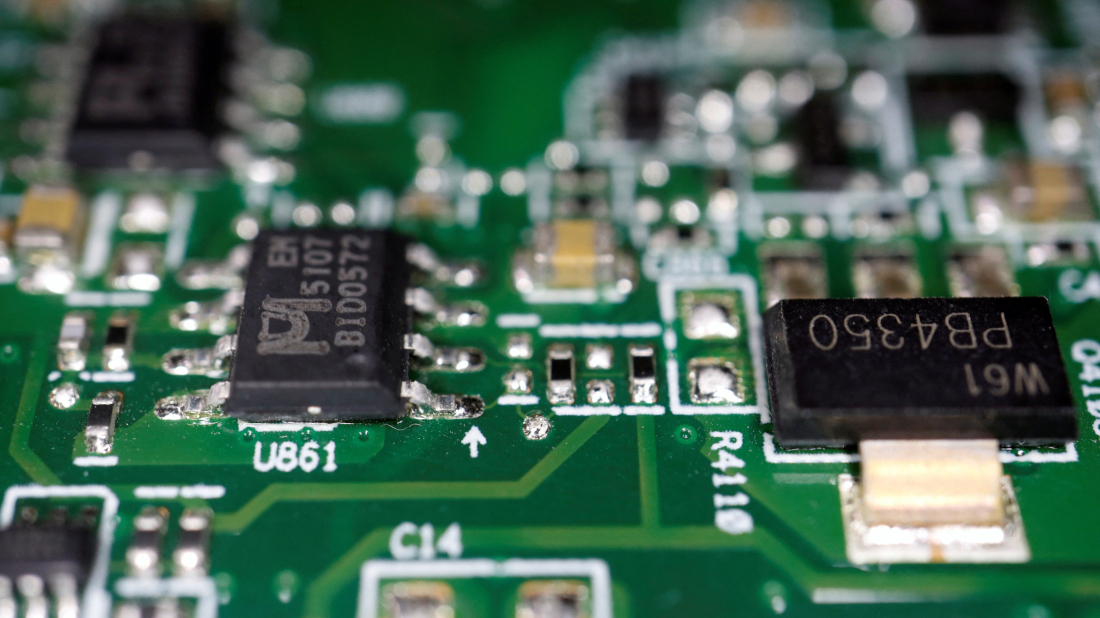
Taiwanese semiconductor company Vanguard International Semiconductor has cautioned that U.S. tariffs on imported chips could trigger inflation and hamper global economic growth, though the firm expects any direct impact on its business to be minimal.
Speaking on a post-earnings call, Vanguard Chairman Leuh Fang adopted a “wait and see” approach amid uncertainty over how far the Trump administration will pursue its tariff threats. Last week, President Donald Trump announced plans to impose around 25% tariffs on auto imports as well as similar duties on semiconductors and pharmaceutical products - a move that could disrupt international trade flows.
"If tariffs are implemented... it will cause many impacts, from inflation to a decline in end-product purchasing power, and even affect expected economic growth," Fang told analysts. However, he added that Vanguard’s exposure is limited since the company manufactures legacy, or mature node chips used primarily in cars and display panels. “The proportion of our company’s semiconductor products directly exported to the U.S. and facing tariffs is very low,” he said.
The announcement comes as tensions between the U.S. and China continue to shape the global semiconductor market. Amid aggressive capacity expansion and steep price cuts by Chinese foundries, many American customers have begun shifting orders to Taiwanese suppliers- a trend that Fang expects will intensify.
In related news, industry rival TSMC is building chip factories in Arizona, while several Taiwanese laptop and AI server makers are also considering moves to expand U.S. production to circumvent potential tariff impacts. Notably, TSMC owns 27.15% of Vanguard’s shares, underlining the interconnected nature of the regional supply chain.
For the quarter ended December 31, Vanguard posted a 19.4% year-on-year increase in revenue to T$11.55 billion ($352 million) and a 48.7% jump in gross profit to T$3.314 billion, reflecting strong performance despite the broader market uncertainties.
As the global semiconductor industry braces for possible trade disruptions, Vanguard’s cautious outlook underscores the complex interplay between tariff policies, inflationary pressures, and shifting supply chains in an increasingly volatile economic environment.

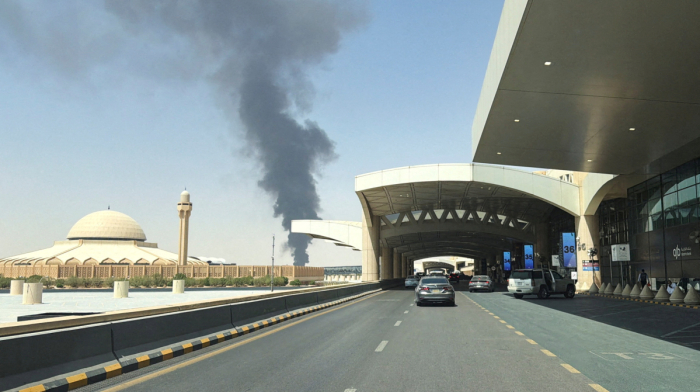
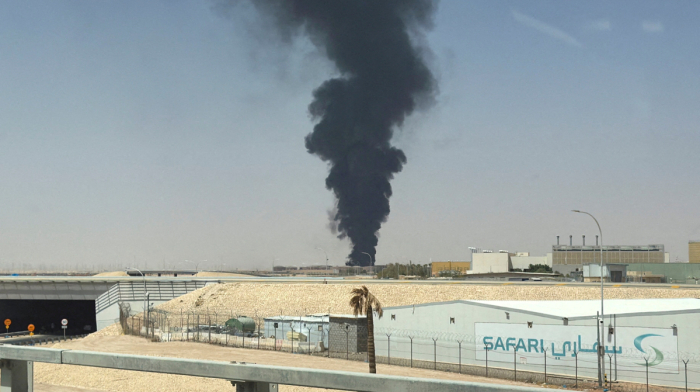
The explosion at King Khalid International Airport in Riyadh on Saturday afternoon killed at least 12 people and injured a further 309, according to Saudi Arabia’s Civil Aviation Authority. The airport remains closed until further notice.
Yemen's Houthis renewed warning to airlines, airport workers, and travellers against using Saudi airports, saying the warning should be taken seriously and that the kingdom “bore responsibility for failed interceptions”, a day after an attack on Riyadh's international airport that killed 12 people.
One person was killed and nearly a dozen hurt in a new attack Riyadh's international airport on Sunday, Saudi authorities reported, a day after a strike claimed by Yemen's Houthis that killed 13 people and wounded more than 300.
The Houthi movement has escalated their attacks on Saudi Arabia, targeting the airport in Riyadh and other cities, killing more than a dozen people.
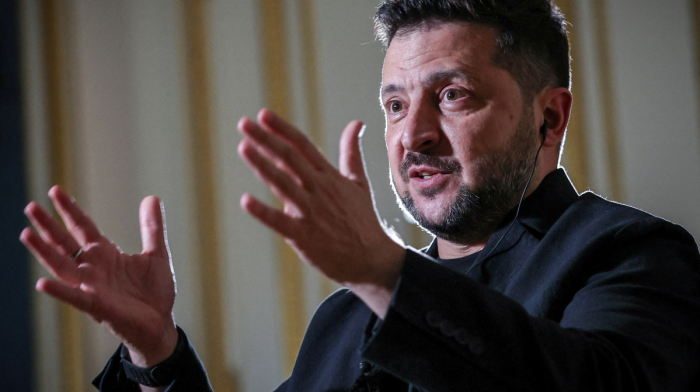
Ukraine is ready to stop attacks on Russian oil refineries if Moscow also halts strikes on Ukrainian energy infrastructure, President Volodymyr Zelenskyy said on Sunday.
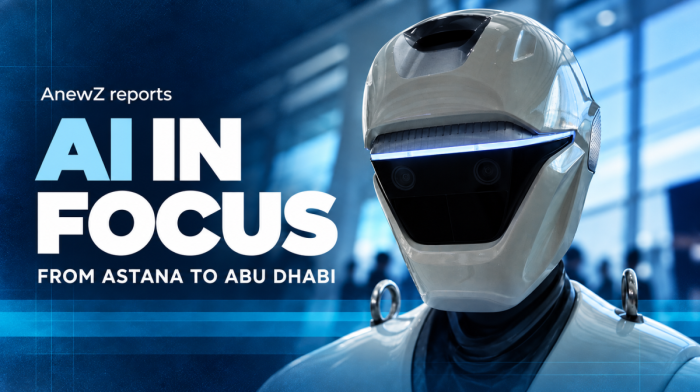
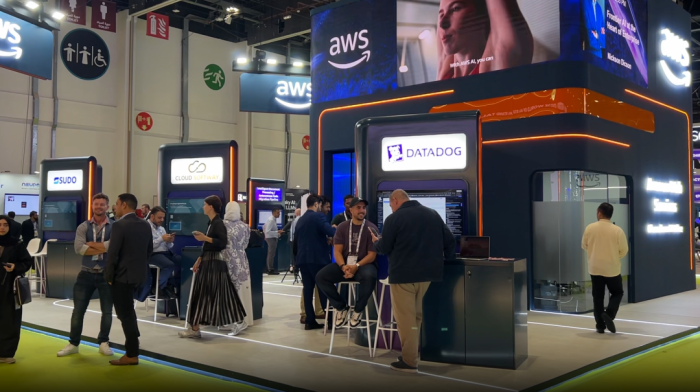
AnewZ’s recent reporting from Kazakhstan and the United Arab Emirates brings audiences closer to the technologies, and the decisions, shaping the future of artificial intelligence.
Anthropic has announced that it is updating its usage policy to allow its AI agents to end conversations involving repeated abuse or cruel behaviour towards them, citing previous incidents.
Türkiye has banned children under 15 from using social media under new regulations published on Saturday. The new regulations prohibit firms from providing services to children “who have not reached the age of 15.”
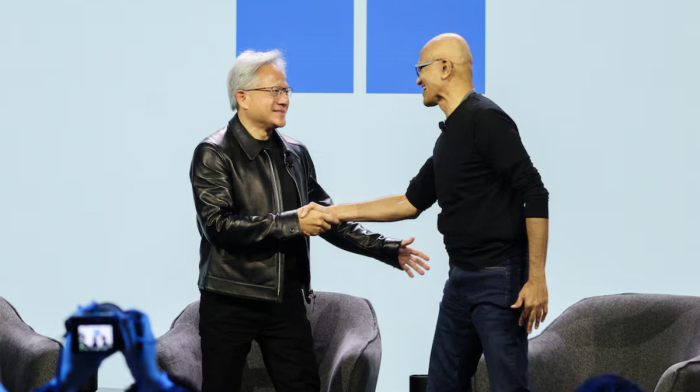
Microsoft has introduced new tools to stop AI agents from accessing data without permission, alongside a Nvidia-powered Surface laptop that can run advanced AI directly on the device.
Picture three scenarios: a hospital that can spot a disease before the patient feels sick, a power grid that feeds thousands of data centres and a government network that is attacked daily. All three depend on artificial intelligence, and one question matters most: who is really in charge?
You can download the AnewZ application from Play Store and the App Store.
What is your opinion on this topic?
Leave the first comment