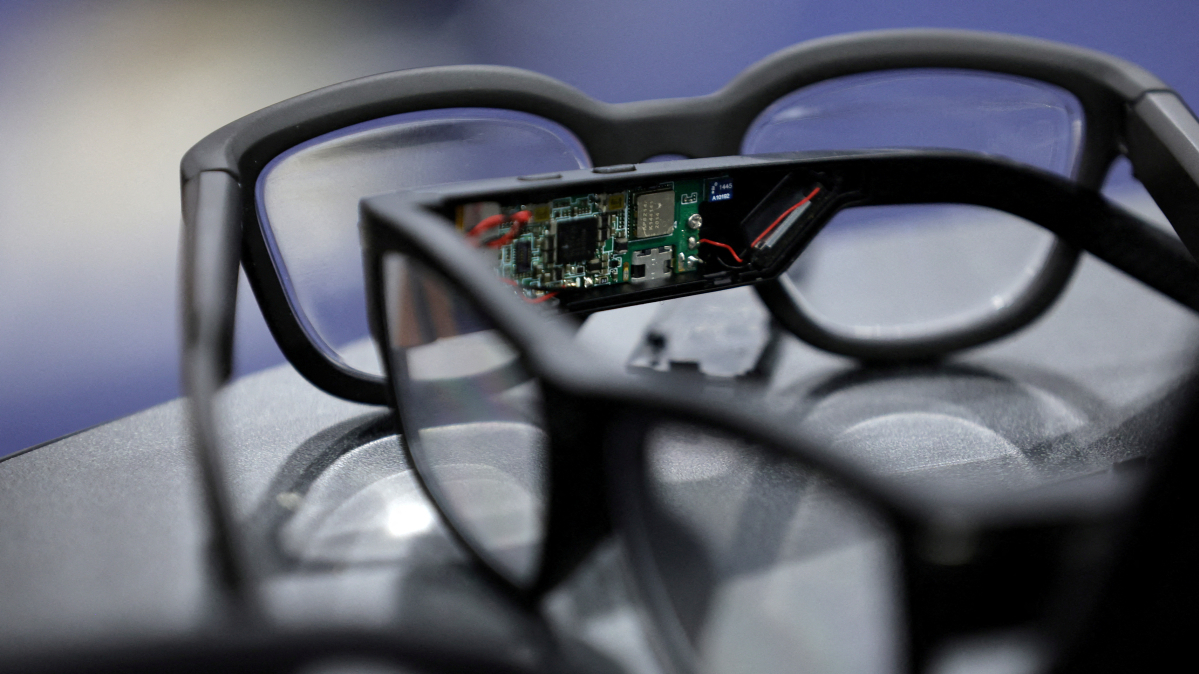
French prosecutors have launched a criminal investigation into suspected sexual harassment involving smart glasses, amid mounting global concern over the privacy risks posed by the devices.
The Paris prosecutor's office said it had opened at least one probe after receiving complaints linked to a social media trend in which men used smart glasses to secretly film women in the street and post the footage online without consent.
It did not name the brand involved, but said its cybercrime unit had tested devices two weeks ago to better understand what offences they could enable.
Meta's AI-powered glasses, made with eyewear brand EssilorLuxottica, dominate the market with around a 76 per cent global share and sold seven million units last year.
A Meta spokesperson said privacy had been “built in... from the ground up” and that protections would keep strengthening as the glasses' capabilities grew. EssilorLuxottica declined to comment.
The devices are also drawing regulatory attention elsewhere. Some UK cinemas have banned them, a German consumer group has lodged a criminal complaint against Meta and other manufacturers, and Australia said on Thursday it was considering barring camera-equipped smart glasses from government workplaces, potentially the first ban of its kind.
In France, data protection authority (Commission nationale de l'informatique et des libertés) CNIL said it had received fewer than 10 complaints about the glasses being used at work. However, it said it was being increasingly contacted by businesses wanting to know whether they could ban smart glasses at work.
Glasses present consent issue
CNIL official Nacera Bekhat said the glasses pose “real challenges” around informing people they were being filmed and obtaining consent.
Although a small light indicates recording is under way, campaigners argue this unfairly shifts responsibility onto potential victims.
“Seeing a light come on doesn't mean you consent... to have your image distributed to thousands of people,” Ines Legendre of e-Enfance, an internet safety group, said.
Women's rights organisations say women are disproportionately targeted. Ines Girard, from the Hubertine Auclert Centre, said tech firms must do more, arguing it is wrong to place the burden of avoiding surveillance on those already most exposed to online abuse.
Read more about technology:






















What is your opinion on this topic?
Leave the first comment