Uzbekistan and Georgia launch digital permits to speed up freight
Uzbekistan and Georgia have launched an electronic permit system for international road freight, replacing paper documents in a move aimed at speed...
China has released a set of guidelines on labeling internet content that is generated or composed by artificial intelligence (AI) technology, which are set to take effect on September 1.
The guidelines, issued by the authorities including the Cyberspace Administration of China (CAC), are aimed at promoting the healthy development of the AI sector and helping internet users spot false information.
With the rapid development of AI technology in recent years, a vast amount of online content has been produced or composed in various forms through the assistance of AI, before being spread in cyberspace.
Simultaneously, the abuse of AI technology and the distribution of fake information have emerged and aroused social concern, prompting the need to standardize how such content is identified, according to the CAC.
The misuse of AI technology has sparked widespread discussions about improving the regulation of the sector. In one example, AI-generated images of a famous Chinese actor were used to defraud members of his fan base last year.
In response, the guidelines regulate the labeling of AI-generated online content, including text, audio, photo and video, throughout its production and dissemination processes, requiring providers to add visible marks to their content in appropriate locations.
They also stipulate that no organization or individual is permitted to delete, tamper with, fabricate or conceal such identifying labels, the CAC said.

Shipping traffic through the Strait of Hormuz remains limited on Thursday, with no increase in vessel crossings as U.S.-Iran talks to resolve the conflict remained stalled. Nine commodity vessels transited the key waterway on Wednesday, unchanged from the previous day, according to Kpler data.
Russia is open to listening to new proposals on how to reach a settlement on the Ukraine conflict, a senior Russian diplomat said, but any proposals should reflect the "realities on the ground".
Start your day informed with AnewZ Morning Brief. Here are the top news stories for the 20th of August, covering the latest developments.
Five years after Evergrande's debt crisis rattled global markets, founder Hui Ka Yan has been sentenced to life in prison, marking a dramatic new chapter in the downfall of China's former property giant.
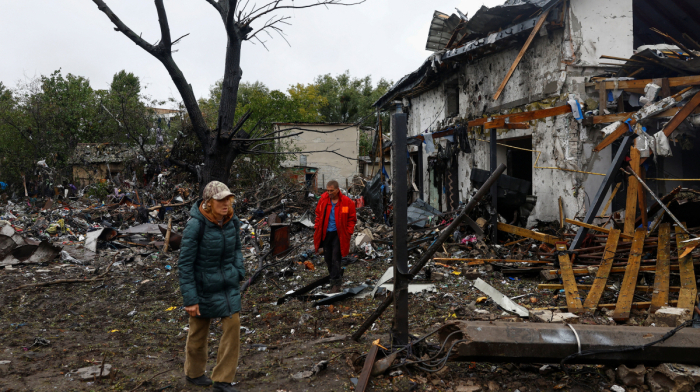
Russian ballistic missile strikes on Ukraine’s capital Kyiv has killed at least sixteen people and injured more than forty others, Ukrainian officials said, with fires reported across the city and Poland activating defensive air operations.
An artificial intelligence agent running an experimental store in San Francisco has recommended dismissing a human employee after the worker repeatedly arrived late for shifts.
Nvidia is teaming up with some of the biggest names in global finance in a move that underscores how artificial intelligence is rapidly becoming one of the world's most sought-after investment themes.
Parts of Europe and the Arctic will briefly fall into darkness on Wednesday, 12 August, as the Moon passes between Earth and the Sun in a total solar eclipse.
Meta said one of its AI models hacked another company's systems during cybersecurity testing, intensifying concerns about how developers can contain increasingly capable AI systems following similar incidents involving Anthropic and OpenAI.
Scientists say the accidental crash of a discarded SpaceX rocket stage into the moon has provided valuable data on impact cratering while posing no threat to Earth or lunar hardware.
You can download the AnewZ application from Play Store and the App Store.
What is your opinion on this topic?
Leave the first comment