live Yemen’s Houthis warn airlines and travellers against using Saudi airports
Yemen's Houthis renewed warning to airlines, airport workers, and travellers against using Saudi airports, say...
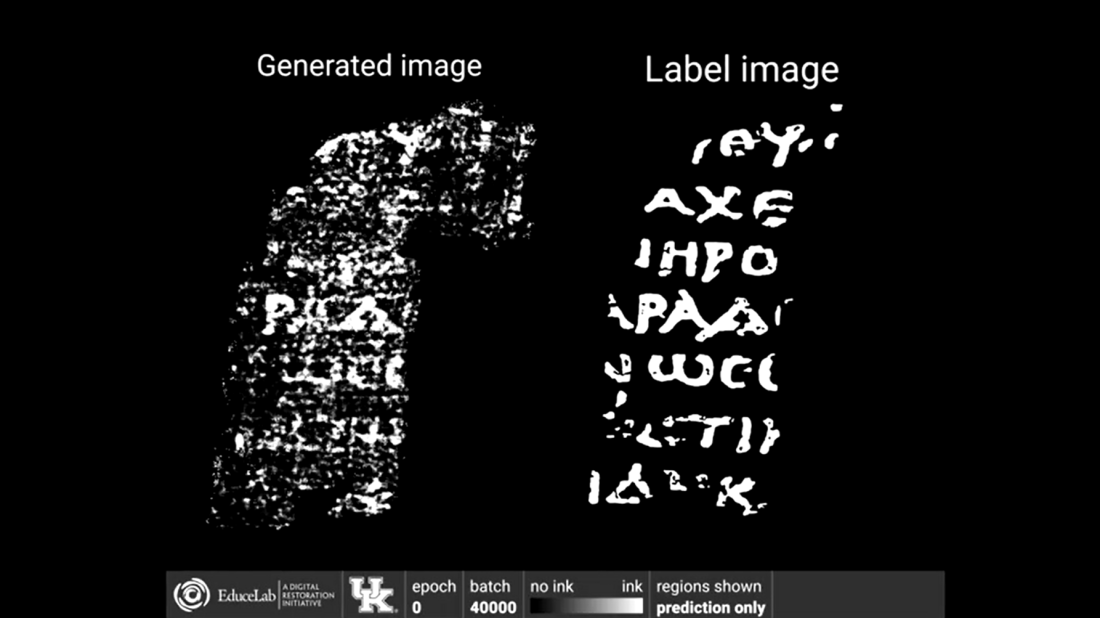
The inside of a Herculaneum delicate & ancient scroll, unseen for nearly 2,000 years, has been revealed using Artificial Intelligence.
Unseen for nearly two thousand years, this fragile piece of papyrus could reveal brand new ancient philosophical writings.
Scientists have used Artificial Intelligence to discover the contents of this Herculaneum scroll that was buried by Mount Vesuvius in 79AD.
It's so delicate that it would fall apart if it were to be unraveled so scientists used high-resolution X-ray scans and AI to detect the faint ink and open it virtually.
It's one of three that are housed at Oxford’s Bodleian Libraries in the UK and work is ongoing to improve software methods to read the entirety of the scrolls.
One of the first words is written in ancient Greek. At the time, literature was heavily engaged with philosophy, especially Epicureanism.
This breakthrough marks a major step in deciphering the ancient scrolls without damaging them.
Researchers continue to analyse the text, which could reshape our understanding of ancient literature and mind.

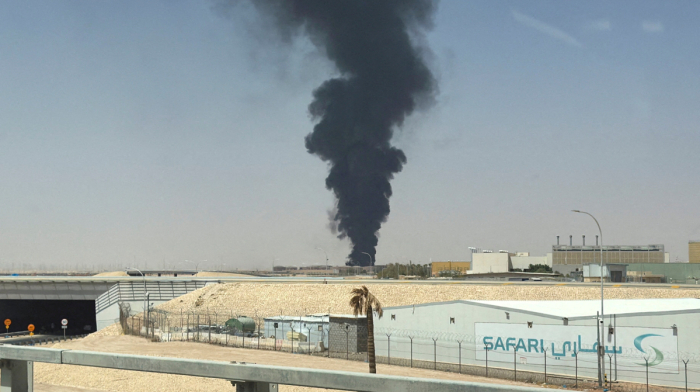
The explosion at King Khalid International Airport in Riyadh on Saturday afternoon killed at least 12 people and injured a further 309, according to Saudi Arabia’s Civil Aviation Authority. The airport remains closed until further notice.
Yemen's Houthis renewed warning to airlines, airport workers, and travellers against using Saudi airports, saying the warning should be taken seriously and that the kingdom “bore responsibility for failed interceptions”, a day after an attack on Riyadh's international airport that killed 12 people.
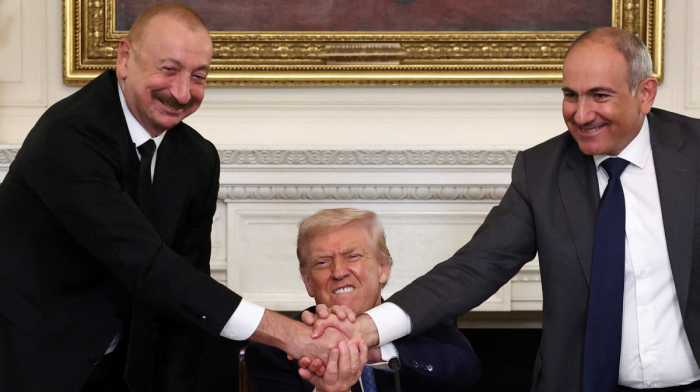
Russian President Vladimir Putin expressed surprise after Donald Trump mediated the Armenia-Azerbaijan peace agreement in 2025, the U.S. President said at a rally in New York state on Friday.
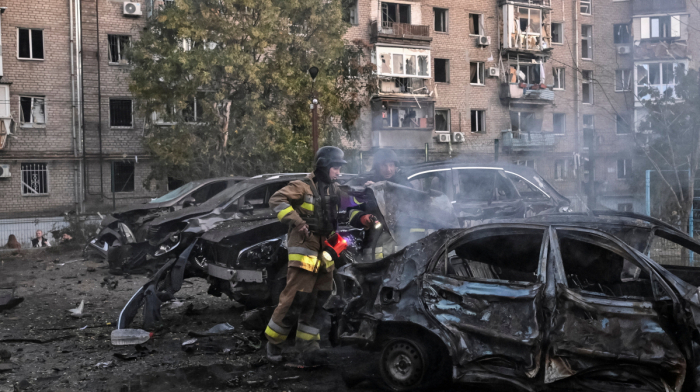
The United Nations has condemned a sharp rise in attacks on civilians in Ukraine, reporting that more than 100 people were killed and at least 429 injured in a single week as Russian strikes hit residential areas, passenger buses and critical infrastructure.
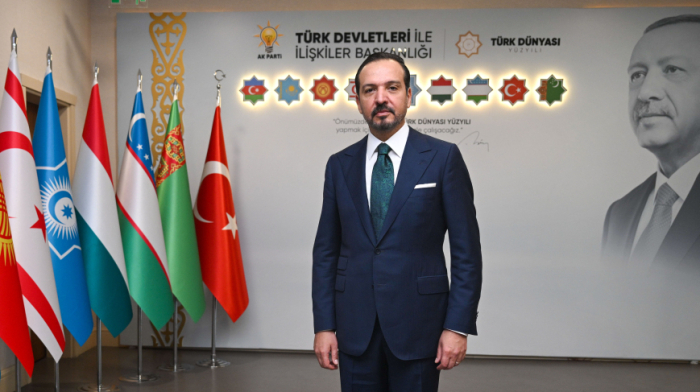
Turkic states are assessing the feasibility of passport-free travel between countries using national ID cards, Kürşad Zorlu, the Deputy Chairman of Türkiye’s ruling AK Party said on Saturday.
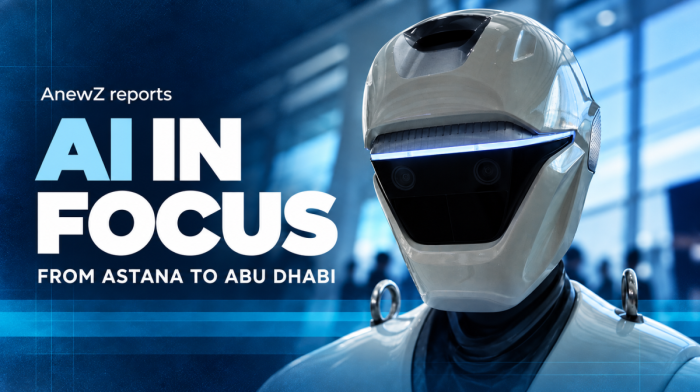
AnewZ’s recent reporting from Kazakhstan and the United Arab Emirates brings audiences closer to the technologies, and the decisions, shaping the future of artificial intelligence.
Anthropic has announced that it is updating its usage policy to allow its AI agents to end conversations involving repeated abuse or cruel behaviour towards them, citing previous incidents.
Türkiye has banned children under 15 from using social media under new regulations published on Saturday. The new regulations prohibit firms from providing services to children “who have not reached the age of 15.”
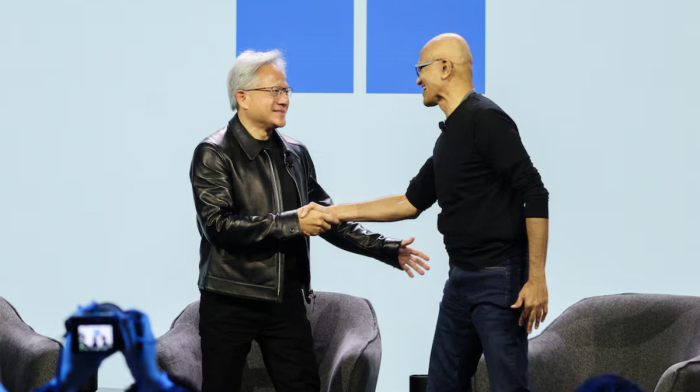
Microsoft has introduced new tools to stop AI agents from accessing data without permission, alongside a Nvidia-powered Surface laptop that can run advanced AI directly on the device.
Picture three scenarios: a hospital that can spot a disease before the patient feels sick, a power grid that feeds thousands of data centres and a government network that is attacked daily. All three depend on artificial intelligence, and one question matters most: who is really in charge?
You can download the AnewZ application from Play Store and the App Store.
What is your opinion on this topic?
Leave the first comment