live Trump says Iran wants a deal as Tehran rules out talks for now
U.S. President Donald Trump has again said Iran is keen to reach a deal quickly, but a senior Iranian security official rejected the claim, saying ...
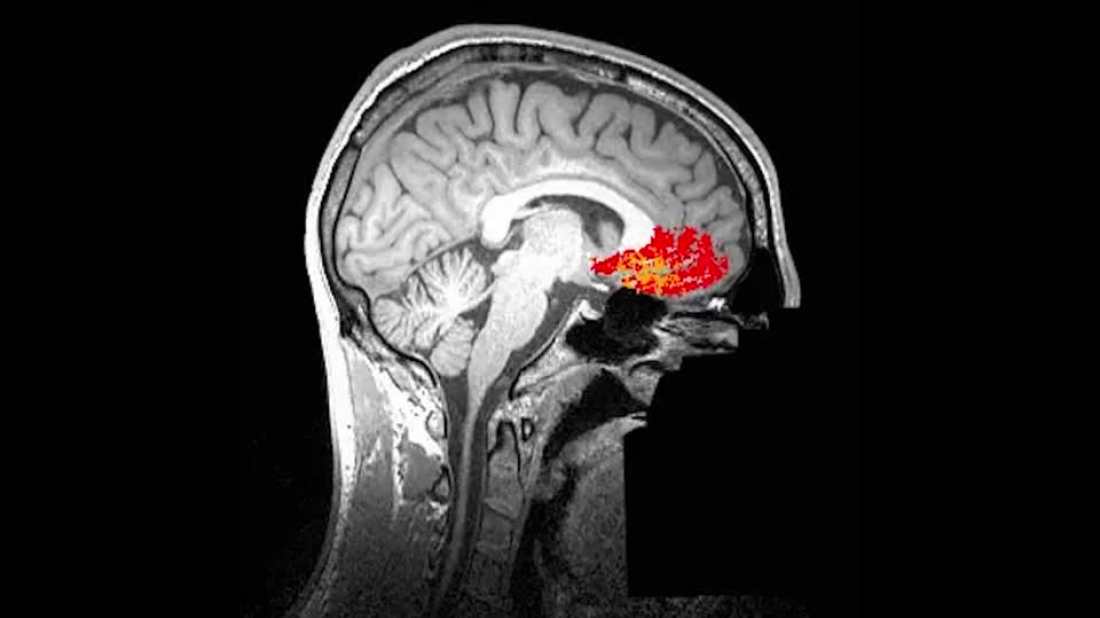
Researchers in London have developed an Artificial Intelligence tool that detects hidden brain abnormalities. It was trained on hundreds of patient scans and it can now spot two-thirds of these tiny and invisible irregularities.
Scientists in London have developed an Artificial Intelligence tool called a MELD Graph to detect tiny brain abnormalities that can cause epilepsy—often too difficult for standard MRI scans to identify.
The team has spent 10 years developing this process. The device was trained on MRI data from more than 700 people with focal cortical dysplasia, which causes epilepsy. Known as FCDs, these can be hard to spot with the human eye and half of these lesions are missed by radiologists.
As well as finding these irregularities, it explains the cause.
With this analysis, radiologists say they can quickly diagnose and be able to provide surgery that could potentially cure the seizures.
Epilepsy affects about 1 in 100 people globally, with 1 in 5 cases linked to brain structural abnormalities.
Although the tool isn't clinically available yet, the team has released the software as open-source, and is training clinicians and researchers on its use.

Maritime trackers received new reports of an attack on a ship in the Strait of Hormuz on Sunday, according to the UK Maritime Trade Operations (UKMTO), adding to concerns about energy supplies after Saudi Arabia shut down a vital oil pipeline on Saturday.
A Kyiv-Warsaw train was struck near the Polish border, Ukraine's state railway firm said on Sunday. No passengers were injured. Ukrainian Railways said that the country's railways were facing systematic attacks for a second day and warned of widespread delays.
U.S. Central Command said 101 commercial vessels have been redirected in the Strait of Hormuz, while oil prices rose more than three per cent amid fresh regional attacks and supply concerns.
Swedes vote in an election on Sunday (13 September) that could see the far-right enter government for the first time if the country's right-wing parties can form a majority.
A Russian strike on a farm warehouse in Pryluky, north-central Ukraine, has killed at least three people, local police said. Meanwhile, EU foreign policy chief Kaja Kallas said an attack on a train near the Polish border was an attempt to intimidate Ukraine's allies.
Shares in artificial intelligence-related companies fell sharply across Asian markets on Monday, after some of the industry's most prominent chief executives warned that the breakneck pace of AI development needs to slow down.
The head of artificial intelligence company Anthropic has called for the industry to slow the pace at which it develops increasingly capable artificial intelligence (AI) systems, arguing that more time is needed to address the risks they may create.
GITEX AI Türkiye opened in Istanbul on Wednesday, bringing the international technology exhibition network to the country for the first time.
A former OpenAI and Anthropic researcher has quit his job with a stark warning: the companies building some of the world’s most powerful artificial intelligence (AI) systems are racing towards technology they themselves fear could threaten humanity.
Nobel laureate Geoffrey Hinton has warned against rushing to develop artificial superintelligence, arguing that scientists still do not know how to ensure systems more capable than humans remain safe and under control.
You can download the AnewZ application from Play Store and the App Store.
What is your opinion on this topic?
Leave the first comment