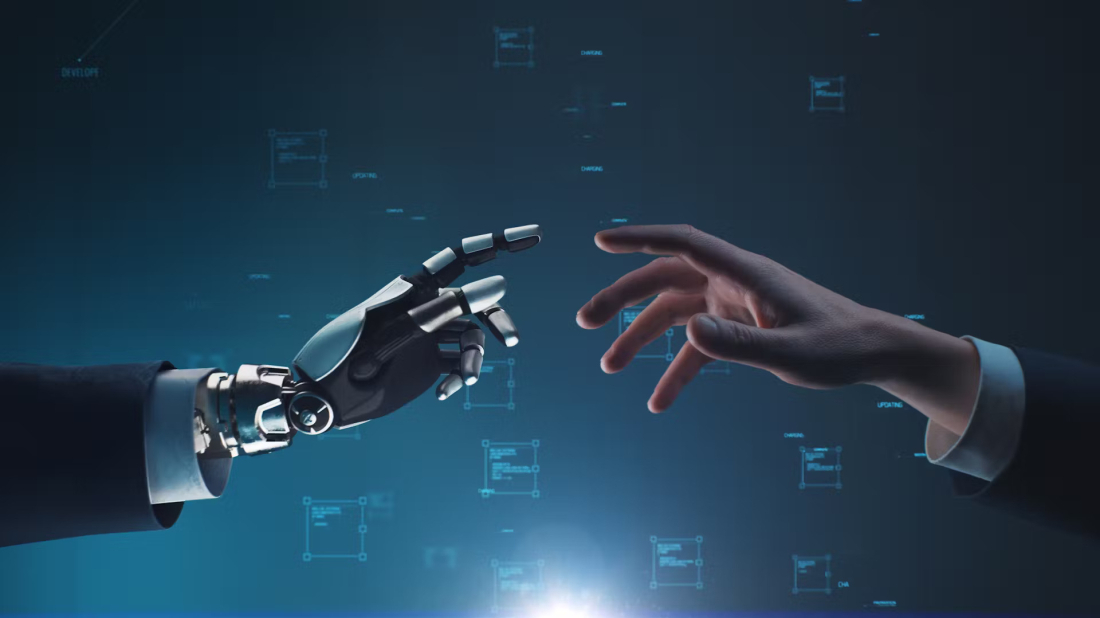
Moscow, February 20, 2025 – Russia is intensifying its push to join the global artificial intelligence race, aiming to harness AI for both civilian and military applications and to bolster its economy despite ongoing sanctions and stiff competition from the United States and China.
In recent years, breakthroughs in AI have transformed industries worldwide. According to Stanford University’s Artificial Intelligence Index Report 2024, while AI has surpassed humans in tasks like image classification and visual reasoning, challenges remain in fields such as advanced mathematics, visual commonsense reasoning, and planning.
The report also highlights that AI has improved productivity and job quality, helping to bridge skill gaps across various industries.
While American tech giants such as Google, OpenAI, Amazon, Nvidia, and Meta Platforms continue to lead the global AI race, Chinese firms recently made headlines with the launch of DeepSeek—a low-cost model that outperforms competitors with far fewer resources. This development has raised concerns about U.S. dominance and has spurred Russia to accelerate its own efforts.
Russian companies, notably Sber and Yandex, are emerging as key players in the domestic AI field. Sber has rebranded part of its tech investments and introduced GigaChat, an AI chatbot positioned as a competitor to ChatGPT, while Yandex recently unveiled its fourth-generation YandexGPT. Other firms, including T-Bank, MTS, and VK, are also exploring AI development.
The Russian government has set ambitious targets, expecting AI to contribute as much as $110 billion to the national economy by 2030. President Vladimir Putin signed an executive order outlining the country’s AI strategy, which includes the development of integrated digital platforms in healthcare, industry, transportation, and public administration. In parallel, Russia aims to increase its annual output of AI graduates from 3,000 to 16,000, a move intended to address its persistent IT workforce shortage.
Russia is also seeking to leverage international partnerships. Putin has encouraged cooperation with China in AI research and development and, through the BRICS bloc, has helped establish an AI Alliance Network to further integrate regional efforts. However, heavy Western sanctions continue to pose significant challenges by limiting access to essential chips and hardware, forcing Moscow to rely increasingly on Chinese products and other intermediaries.
Experts note that despite these ambitious plans, Russia still lags behind the United States and China in AI innovation. The ongoing shortage of skilled IT workers, combined with restricted international cooperation due to sanctions, remains a major hurdle.
As Russia accelerates its AI initiatives, the country hopes to carve out a larger role on the global stage—while navigating a complex landscape of geopolitical tensions, technological challenges, and economic pressures.















What is your opinion on this topic?
Leave the first comment