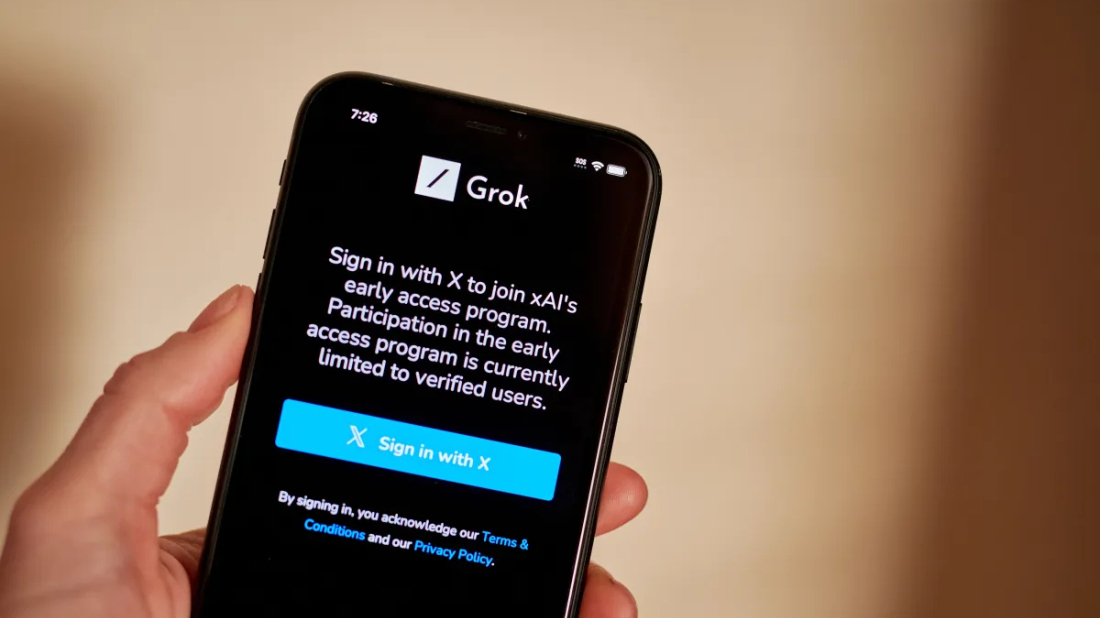
February 23, 2025 – Elon Musk’s AI company, xAI, has launched its latest flagship AI model, Grok 3, unveiling new capabilities for its Grok iOS and web applications.
Grok 3, positioned as a competitor to OpenAI’s GPT-4o and Google’s Gemini, offers enhanced reasoning capabilities and image analysis, further integrating with Musk’s social network, X.
Grok 3: enhanced AI capabilities
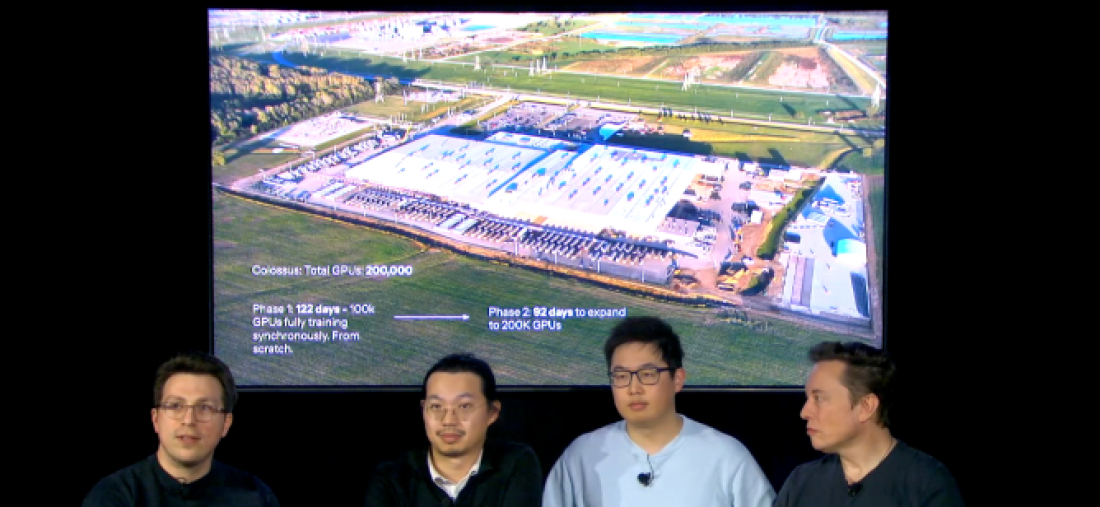
Grok 3 has been in development for months and was initially slated for release in 2024 but experienced delays. The model was trained using an enormous data center in Memphis containing approximately 200,000 GPUs. According to Musk, the new model was developed with “10x” more computing power than its predecessor, Grok 2, leveraging a more extensive training dataset, including legal filings.
“Grok 3 is an order of magnitude more capable than Grok 2,” Musk stated during a live-streamed presentation. “[It’s a] maximally truth-seeking AI, even if that truth is sometimes at odds with what is politically correct.”
Grok 3 model variants and features
The Grok 3 family includes multiple versions:
Grok 3 mini: Offers faster response times at the cost of some accuracy.
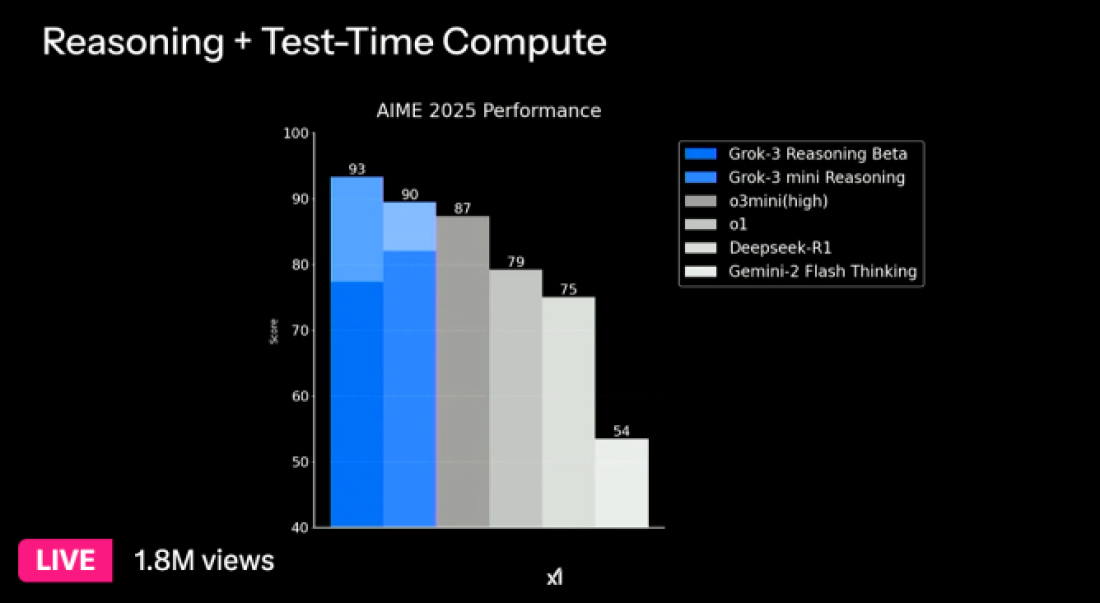
Grok 3 Reasoning & Grok 3 mini Reasoning: Designed to carefully “think through” problems, similar to OpenAI’s o3-mini and DeepSeek’s R1. These models aim to fact-check themselves before responding, improving accuracy.
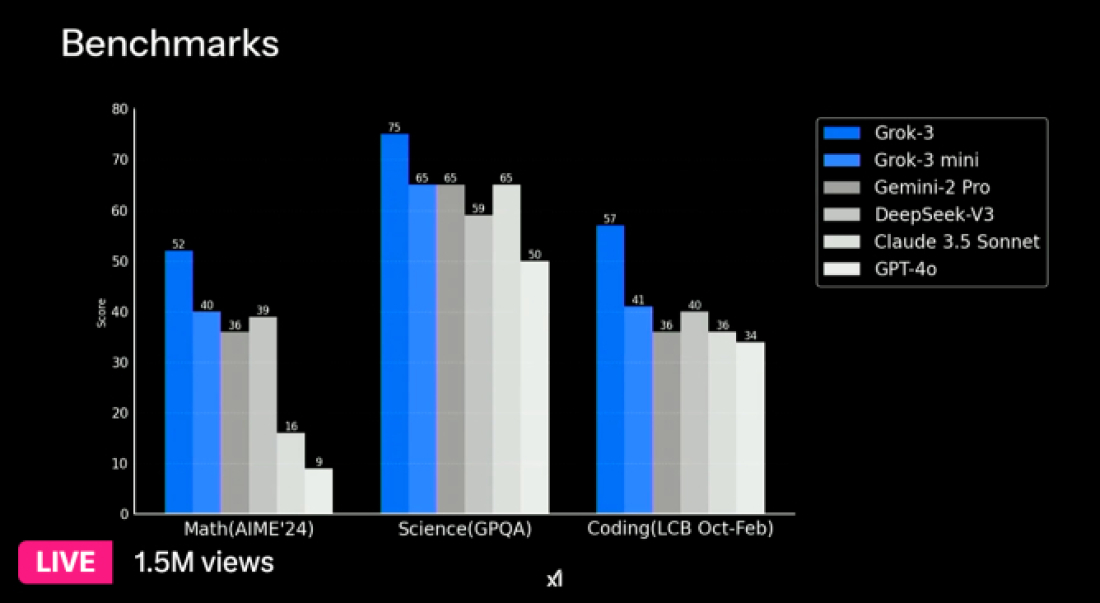
Grok 3 is currently rolling out in phases, with some features still in beta. The new models reportedly outperform GPT-4o in AI benchmarks such as AIME (mathematics performance) and GPQA (graduate-level science questions). Additionally, xAI claims that Grok 3 Reasoning surpasses OpenAI’s o3-mini-high in mathematics assessments, including AIME 2025.
New capabilities: DeepSearch and Reasoning enhancements
The reasoning models power DeepSearch, xAI’s AI-powered research tool, which scans the internet and X to generate detailed abstracts in response to user queries. Users can activate Grok 3’s enhanced reasoning through:
“Think” mode: For complex questions requiring deeper analysis.
“Big Brain” mode: A high-compute setting designed for advanced problem-solving.
To prevent unauthorized knowledge extraction, xAI has partially obscured the reasoning models’ thought processes in the Grok app. This measure follows recent controversies, such as DeepSeek’s alleged distillation of OpenAI models.
Subscription tiers and upcoming features
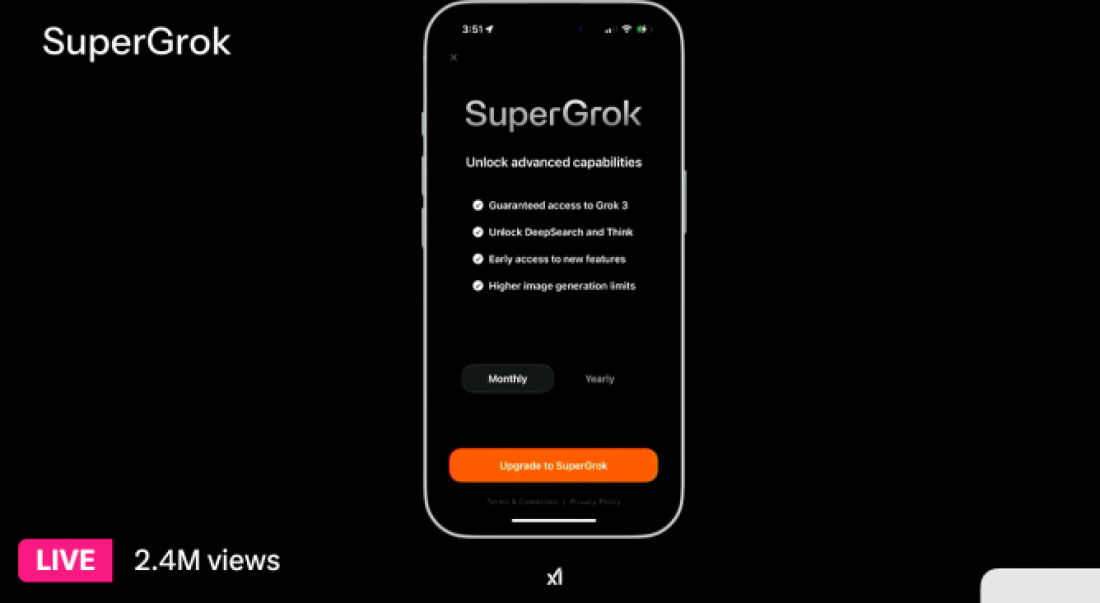
Grok 3 will first be available to X Premium+ subscribers ($22/month), while advanced features will require a new SuperGrok plan, reportedly priced at $30/month or $300/year. This premium tier grants additional reasoning queries, DeepSearch access, and unlimited image generation.
Upcoming enhancements include:
Voice Mode (within a week): A synthesized voice for Grok models.
Enterprise API Access (within weeks): xAI will offer Grok 3 and DeepSearch via API for business integration.
Future Open-Source plans and political neutrality pledge
Musk announced that xAI intends to open-source Grok 2 in the coming months, following a pattern where previous models are made public once new versions become stable.
“When Grok 3 is mature and stable, which is probably within a few months, then we’ll open-source Grok 2,” Musk confirmed.
Grok was initially marketed as an “edgy” and “unfiltered” AI model that could answer controversial questions other models avoided. However, past versions hedged on political topics, with one study suggesting a left-leaning bias on issues such as transgender rights and diversity programs. Musk has attributed this to training data limitations and has pledged to shift Grok toward greater political neutrality. Whether xAI has achieved this goal remains unclear, but the company continues to push boundaries in AI development.
As Grok 3 rolls out, its real-world performance and reception will determine its place in the competitive AI landscape.





















What is your opinion on this topic?
Leave the first comment