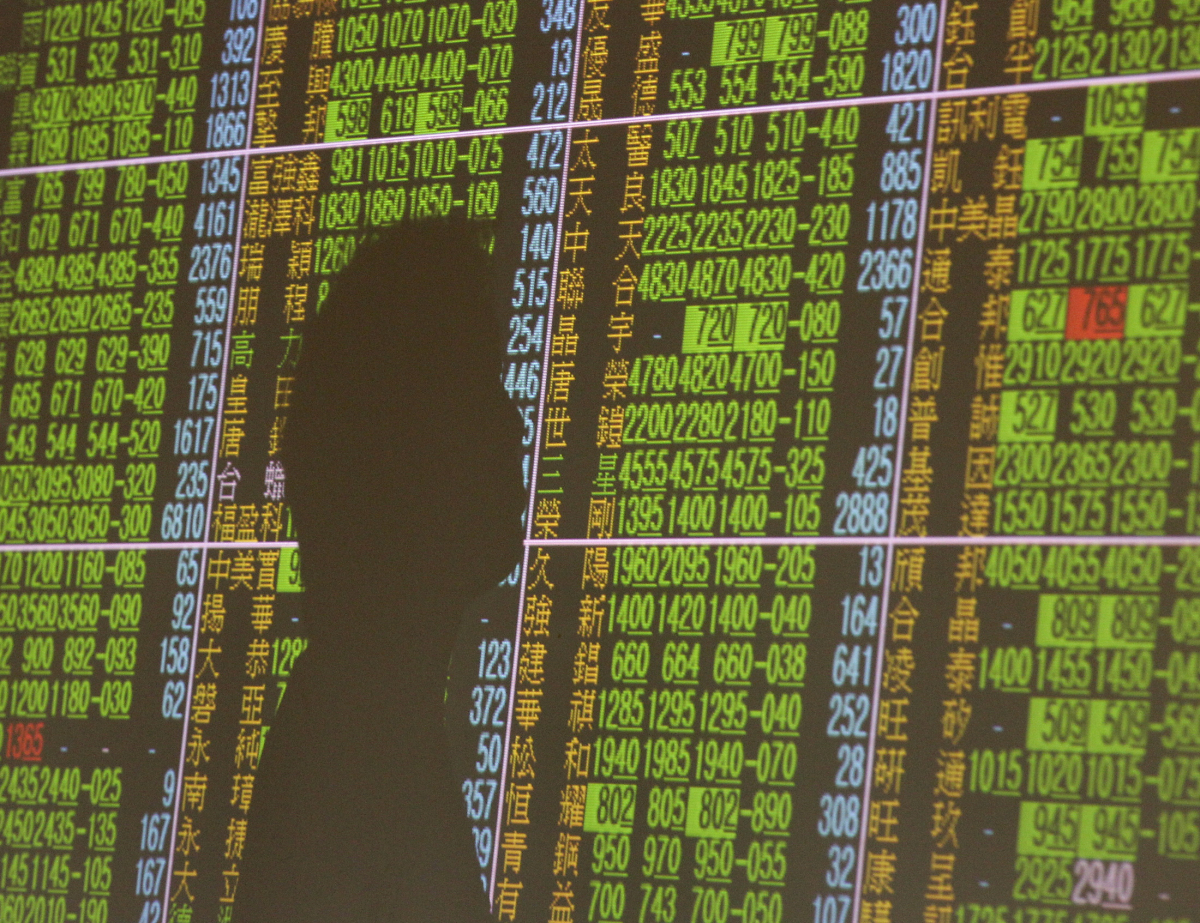
Taiwan’s rising prominence in the global artificial intelligence (AI) supply chain has powered a significant stock market rally, driven by soaring demand for advanced chips and servers.
Taiwan’s economy is surging on the back of booming global demand for AI and advanced technology, with export orders in March jumping 65.9% year on year to a record $91.12 billion, the fastest growth in more than 16 years, according to the Ministry of Economic Affairs.
The figure, well above expectations and marking a 14th straight monthly rise, was driven by strong demand for AI‑related products, with telecommunications orders up 120.9% and electronic products rising 73.7%, while orders from the United States surged 76.4%, China rose 45.7%, Europe increased 45.2%, and Japan climbed 32.9%, underlining Taiwan’s expanding role at the heart of the global technology supply chain despite lingering geopolitical and trade uncertainties.
Ross Feingold, a Political Risk Analyst, in an interview with AnewZ on the Day Break programme, said, “The boom in demand for AI chips and servers has greatly benefited Taiwan tech companies,” noting that the ripple effects extend well beyond a single firm.
At the centre of this boom is Taiwan Semiconductor Manufacturing Company (TSMC), the world’s leading producer of cutting‑edge semiconductors, alongside a broader network of Taiwanese companies supplying components, equipment and infrastructure for AI technologies.
“It’s not just TSMC. There are other companies here in Taiwan in the supply chain for AI chips and servers and other related equipment that benefit substantially. And that’s powered the stock market boom.”
Uneven gains across the economy
Despite the market’s strong performance, the benefits of the AI surge are not shared equally across Taiwan’s economy. The island’s 23 million people work in a diverse range of sectors, many of them outside high‑tech manufacturing.
“Not everybody is a computer science engineer, and not everybody is part of the tech supply chain,” Feingold said.
He pointed out that large parts of Taiwan’s economy remain based in traditional industries, which face stiff competition from neighbouring economies with lower costs and better access to regional trade agreements.
“We do see a growing wealth gap here in Taiwan, because not everybody benefits,” he added.
Strategic weight and global dependence
Taiwan’s central role in global semiconductor manufacturing has also heightened its strategic importance. Many international companies, as well as governments, rely heavily on Taiwanese production, making stability in the Taiwan Strait a global concern.
“That’s a concern not just for policymakers here in Taiwan, but for policymakers in other countries as well,” Feingold told AnewZ, highlighting how dependence on Taiwan’s tech supply chain has pushed countries such as the United States, Japan and members of the European Union to offer subsidies to lure Taiwanese manufacturing abroad.
“This puts Taiwan in a really interesting conundrum,” he said. “On the one hand, Taiwan wants to maintain that role. On the other hand, countries are saying it’s risky to rely so heavily on manufacturing in Taiwan.”
Investor confidence meets geopolitical risk
For now, investors continue to show confidence. Taiwan’s stock market has long been open to foreign participation, and both domestic and international investors have enjoyed strong returns. Employees in major technology firms have also benefited from generous share‑based bonuses.
However, Feingold warned that geopolitical risk remains a constant backdrop. “The first thing that would happen if tensions significantly increased is that foreign investors would flee,” he said. “They could take their money out of Taiwan within hours or days, and that could trigger a crash.”
“As much as there’s talk about AI being a boom or a bubble, the geopolitical risk is just as significant,” he added.
Defence, diplomacy and policy choices
Successive Taiwanese governments have actively supported the technology sector through land provision, tax incentives and infrastructure investment. That approach is expected to continue, regardless of which political party is in power.
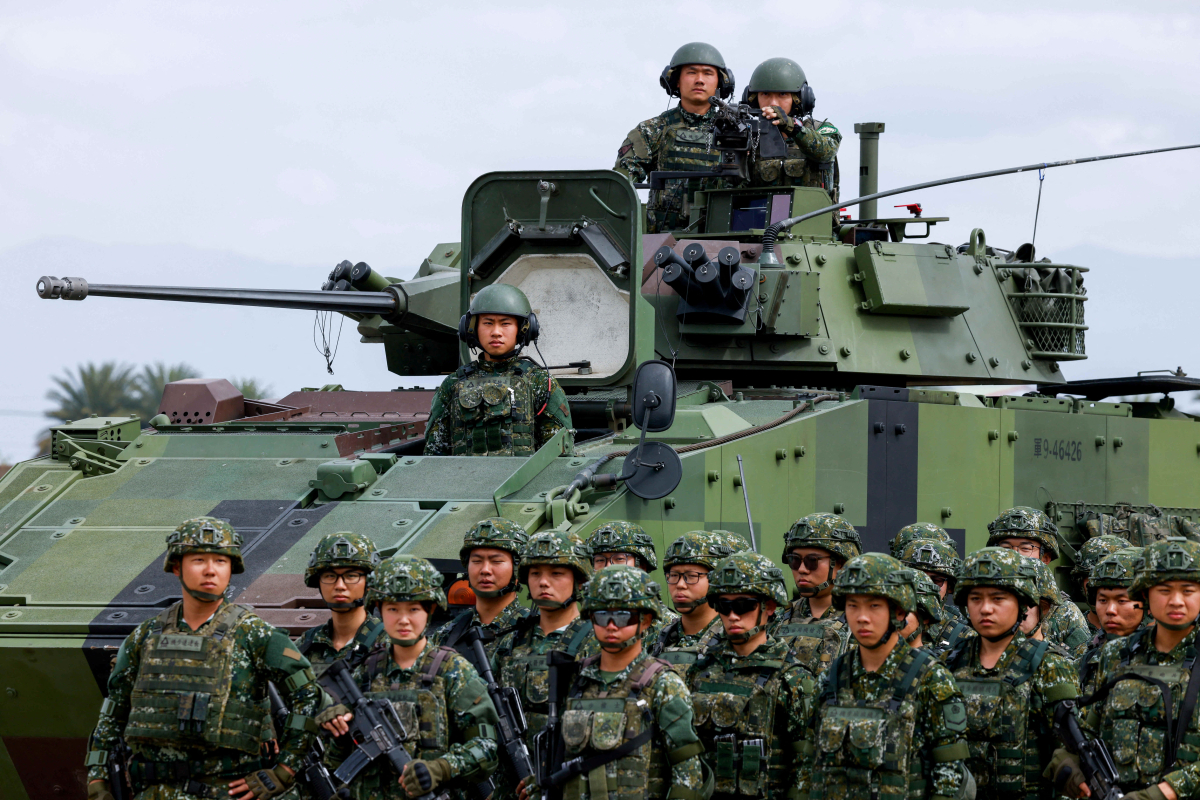
At the same time, the current administration under President William Lai is pushing for higher defence spending, arguing that stronger deterrence is essential amid rising tensions with China. But Feingold cautioned that matching China’s military spending is unrealistic. "China invests enormous amounts of money in its military. It’s very difficult to keep up,” he said.
Limited international space
Relations between Beijing and Taipei remain frozen, with China cutting off dialogue with Taiwan’s elected government and actively restricting its international engagement. Symbolic diplomatic efforts, such as overseas visits by Taiwan’s leaders, have little direct impact on security or economics but carry political weight.
“It’s very frustrating for the government of Taiwan,” Feingold said. “But practically speaking, these diplomatic limitations don’t change Taiwan’s military or economic security. It’s more about the optics and international presence.”
Success with structural vulnerabilities
Taiwan’s AI‑driven success has placed it at the forefront of global technology, boosting markets and drawing international attention. But alongside that success come deep structural challenges, rising inequality, pressure on supply chains, and the ever‑present risk of geopolitical escalation.
As Feingold put it, Taiwan finds itself “in a lucrative space”, one that offers enormous opportunity, but also significant uncertainty.













What is your opinion on this topic?
Leave the first comment