




23:25 CET
Nigeria confirms Ebola case in Abuja
Nigerian health authorities have confirmed a case of Ebola disease in the Federal Capital Territory (FCT)...
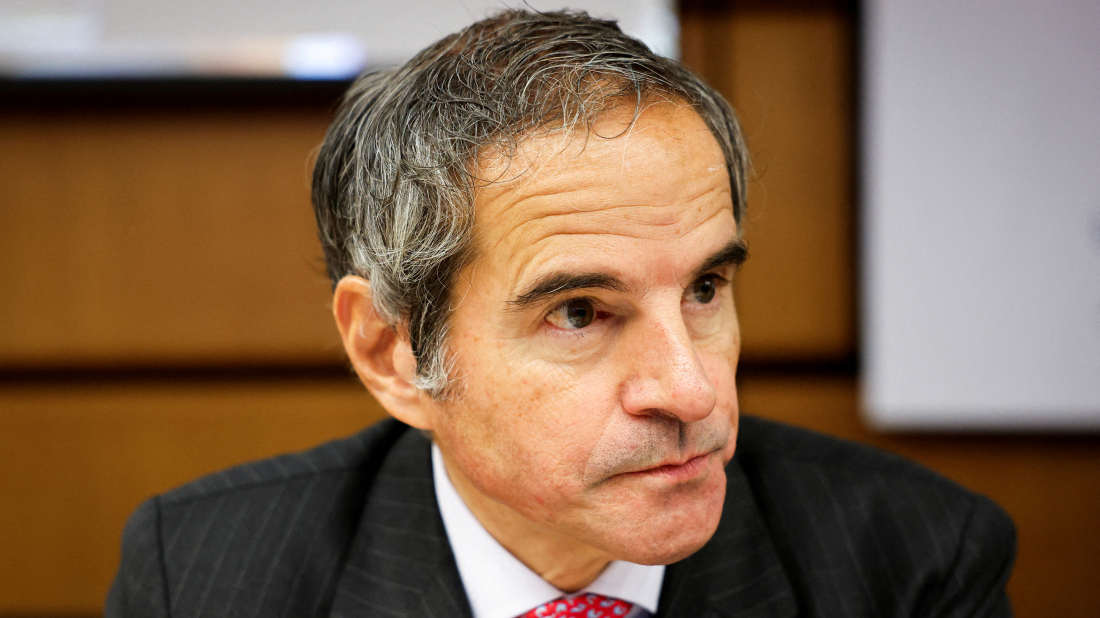


Iran could resume uranium enrichment within months despite U.S. and Israeli strikes on its nuclear facilities, the head of the UN nuclear watchdog has said.
Rafael Grossi, Director General of the International Atomic Energy Agency (IAEA), told CBS News that Iran retains the capacity to enrich uranium quickly, casting doubt on the effectiveness of recent U.S. attacks on its nuclear programme.
"The capacities they have are there. They can have, you know, in a matter of months, I would say, a few cascades of centrifuges spinning and producing enriched uranium, or less than that," Grossi said in an interview with "Face the Nation" due to air on Sunday.
U.S. officials claim their strikes destroyed key nuclear sites in Iran, including facilities in Fordow, Natanz and Isfahan, after Israel launched attacks earlier this month aiming to eliminate Tehran's nuclear capabilities. The strikes sparked a 12-day air conflict, which the U.S. eventually joined.
President Donald Trump warned on Friday that he would consider bombing Iran again if it resumes uranium enrichment to threatening levels.
Grossi cautioned that while the attacks had significantly set back Iran’s nuclear operations, they had not erased its knowledge or capability.
"Frankly speaking, one cannot claim that everything has disappeared and there is nothing there," he said. "Iran is a very sophisticated country in terms of nuclear technology. You cannot disinvent this. You cannot undo the knowledge that you have or the capacities that you have."
Iran maintains that its nuclear programme is for peaceful purposes only.
Western powers have long argued that Iran’s technical advances provide it with irreversible knowledge gains, meaning the loss of facilities or personnel can slow but not eliminate its nuclear potential.
Grossi also addressed reports suggesting Iran moved its stock of highly enriched uranium before the U.S. strikes.
"It was not clear where that material was. Some could have been destroyed as part of the attack, but some could have been moved," he said.
The IAEA continues to monitor Iran's nuclear activities amid heightened regional tensions and uncertainty over whether Tehran will seek to rebuild its enrichment facilities swiftly or wait for diplomatic opportunities.

Nigerian health authorities have confirmed a case of Ebola disease in the Federal Capital Territory (FCT)...
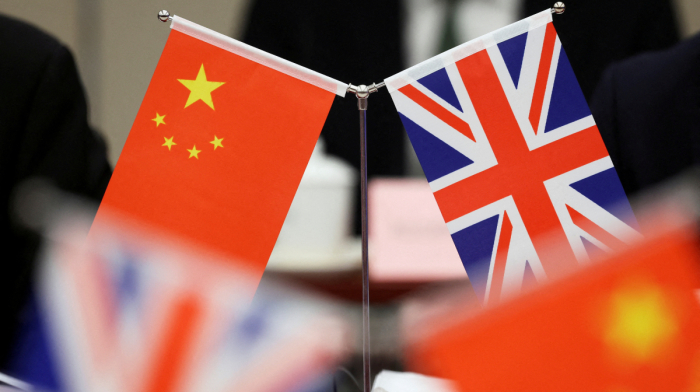
China has lodged a formal diplomatic protest with the UK after British border officials allegedly subjected Chinese travellers to lengthy questioni...
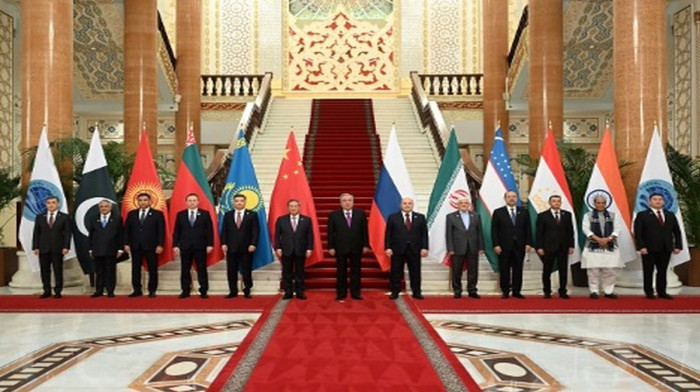
Member states of the Shanghai Cooperation Organisation (SCO) prevented 273 terrorist attacks and more than 3,000 crimes linked to terrorism, separa...
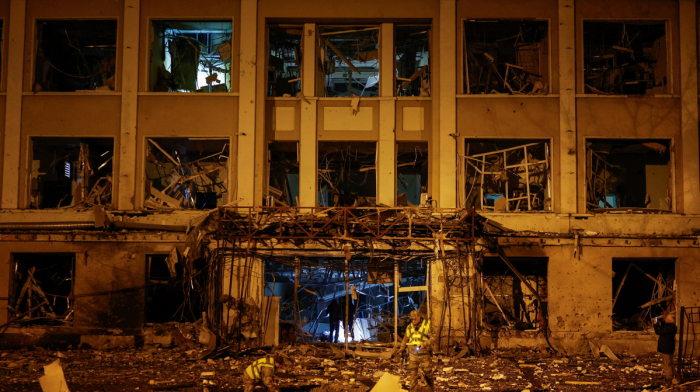
U.S. President Donald Trump has criticised Ukrainian President Volodymyr Zelenskyy for continuing to target Russia's energy infrastructure, while Russian strikes on Kyiv overnight killed at least one person and damaged a metro station.
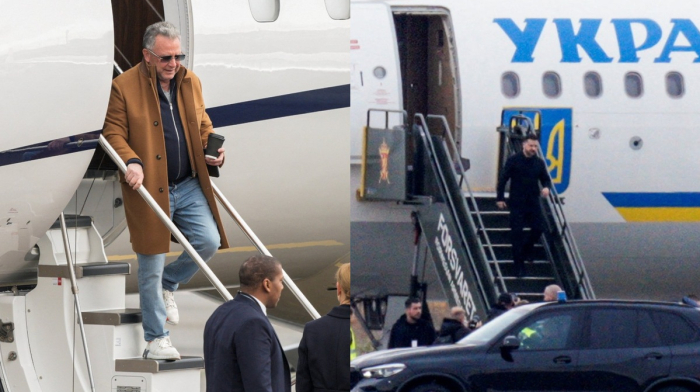
Ukrainian President Volodymyr Zelenskyy has arrived in Norway for talks about the Russia-Ukraine war. He is expected to meet with U.S. President Donald Trump's Special Envoy Steve Witkoff, who arrived in Oslo earlier. Witkoff will also meet European officials.
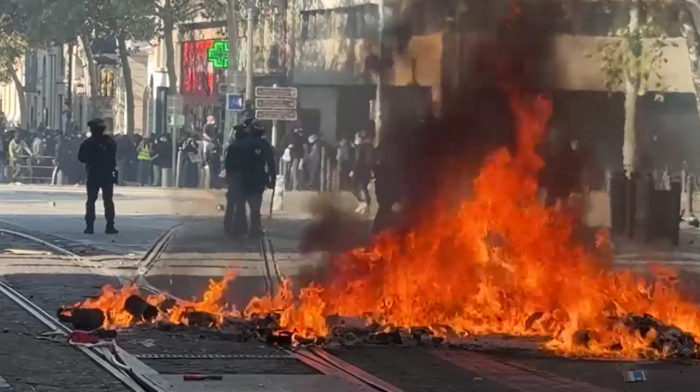
French President Emmanuel Macron has condemned the violence, looting and vandalism that erupted during cost-of-living protests across France. Prime Minister Sébastien Lecornu held crisis talks on Monday, calling for partial curfews and raising the possibility of a state of emergency.
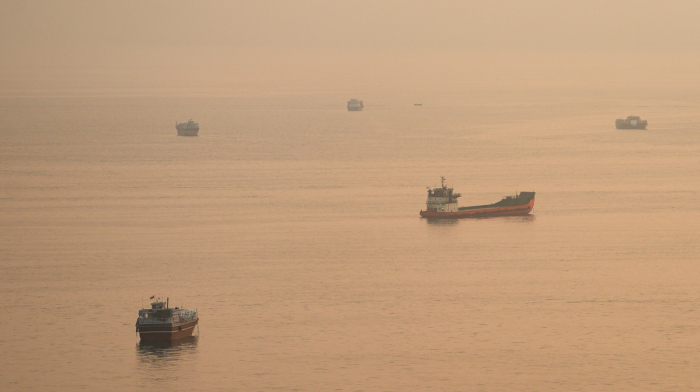
An oil tanker caught fire after striking a naval mine in the southern part of the Strait of Hormuz, Iran’s Islamic Revolutionary Guard Corps (IRGC) Navy said late Sunday.
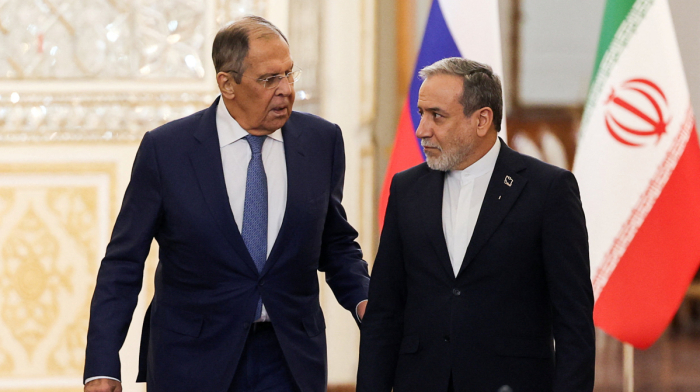
Iranian Foreign Minister Abbas Araghchi said regional issues should be resolved through diplomacy and blamed the United States for insecurity and tensions in the Strait of Hormuz, speaking at a joint news conference with Russian Foreign Minister Sergey Lavrov on Monday.
Nigerian health authorities have confirmed a case of Ebola disease in the Federal Capital Territory (FCT), prompting the activation of emergency public health measures aimed at preventing further transmission of the deadly virus.
China has lodged a formal diplomatic protest with the UK after British border officials allegedly subjected Chinese travellers to lengthy questioning and seized personal electronic devices, including phones, laptops and smartwatches.
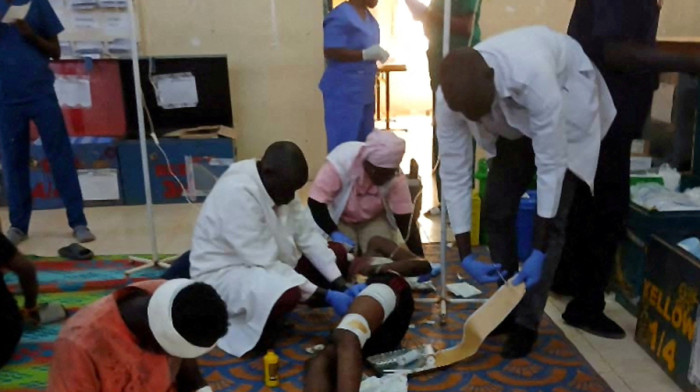
More than 150 people have been killed in a drone strike on a crowded market in the disputed Abyei region, South Sudanese officials said, marking one of the deadliest attacks linked to Sudan's civil war since it began in April 2023.
Ukrainian President Volodymyr Zelenskyy has arrived in Norway for talks about the Russia-Ukraine war. He is expected to meet with U.S. President Donald Trump's Special Envoy Steve Witkoff, who arrived in Oslo earlier. Witkoff will also meet European officials.
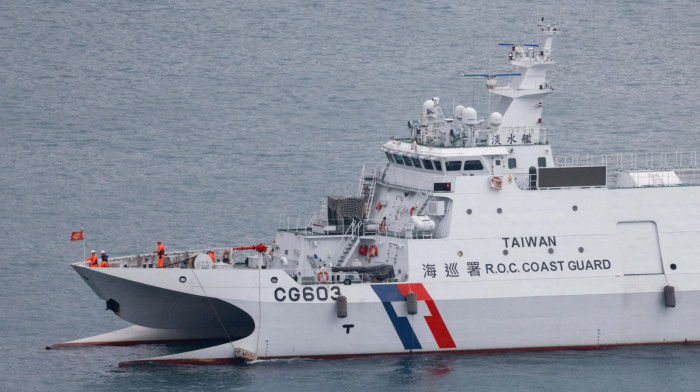
Beijing says it deployed naval forces to monitor a U.S. warship near Sabina Shoal, while Taiwan reports a separate confrontation with a Chinese coast guard vessel near the Pratas Islands.
You can download the AnewZ application from Play Store and the App Store.




What is your opinion on this topic?
Leave the first comment