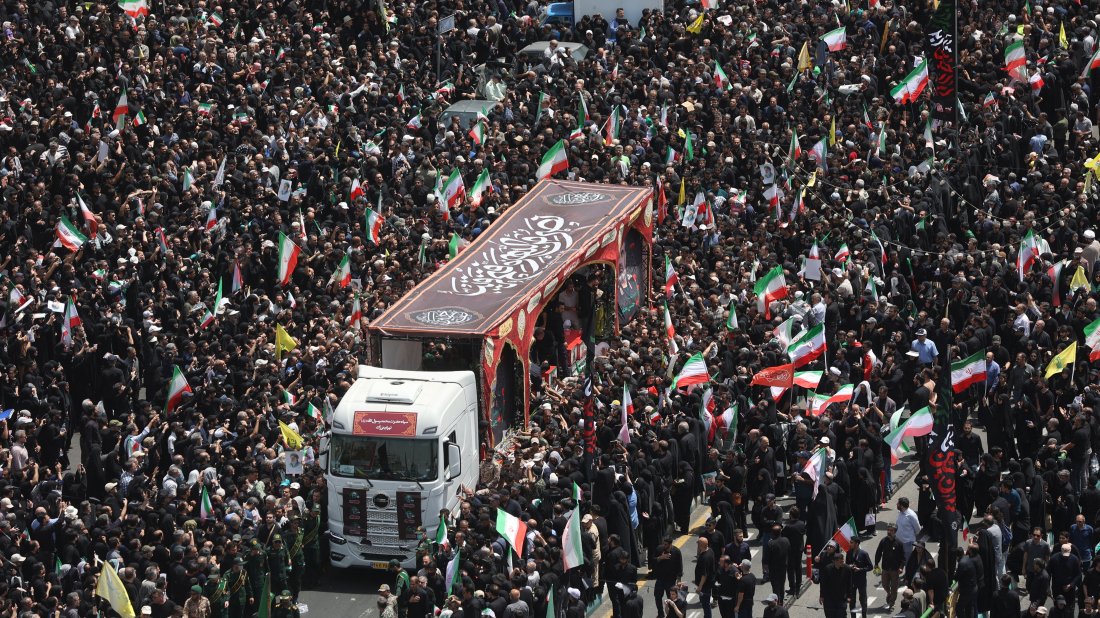
Thousands of Iranians filled the streets of Tehran on Saturday to mourn senior military leaders and nuclear scientists killed in recent Israeli airstrikes.
A massive funeral procession was held in Tehran on June 28 for top Iranian military commanders and nuclear scientists killed during the latest Iran-Israel conflict. Coffins of the deceased were carried on trucks through crowds of mourners paying tribute.
The offensive that began on June 13 resulted in the deaths of several senior Iranian officials, including Islamic Revolutionary Guards Corps (IRGC) commander-in-chief, Major General Hossein Salami, IRGC Aerospace Force commander Amir Ali Hajizadeh, and Major General Golamali Rashid, who were key figures in Iran’s military and missile programs. The events occurred amid ongoing tensions involving Israel.
The IRGC, known for overseeing the country’s ballistic missile arsenal, played a central role in Iran’s recent retaliatory missile launches against Israel.
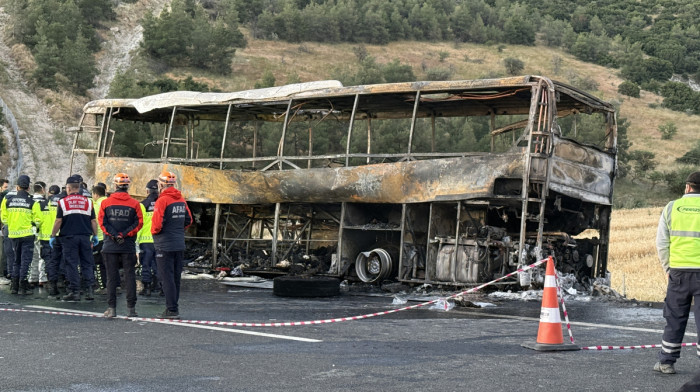
Turkish authorities have launched an investigation into a passenger bus crash in southwestern Türkiye that killed eight people and injured 33 others ...
As the World Cup kick-off approaches, teams from across the globe arrive with contrasting narratives, some seeking redemption, others chasing history,...
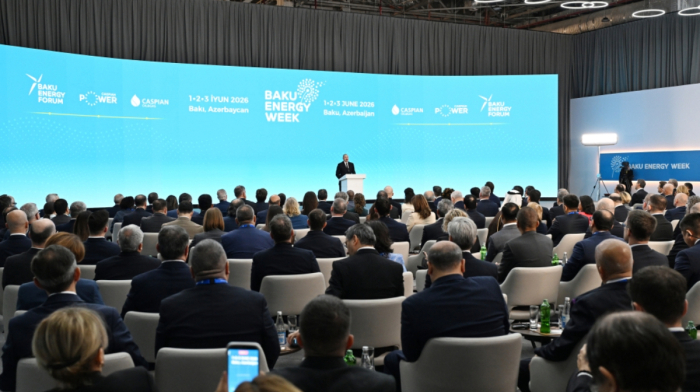
Azerbaijan continues to host a series of high-profile global events, including COP29, the World Urban Forum and upcoming World Environment Day activit...
The International Labour Organization (ILO) has begun its latest round of negotiations on creating the first binding global standards for platform-bas...
Four nurses have recovered and been discharged after receiving treatment for Ebola in the Democratic Republic of Congo, the World Health Organisation ...
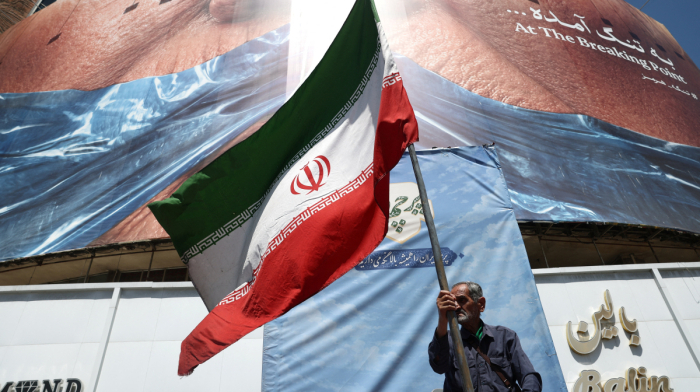
Iran’s Revolutionary Guards (IRGC) said on Monday they targeted the source of an attack on a telecom facility on Sirik Island near the strategic Strait of Hormuz, Tasnim News Agency reported.
Donald Trump said he is “in no hurry” to reach a deal with Iran, insisting the U.S. is slowly getting what it wants. He warned military action remains an option if talks fail. Meanwhile, U.S. forces said they fired a missile at a vessel trying to breach Washington’s blockade of Iran.
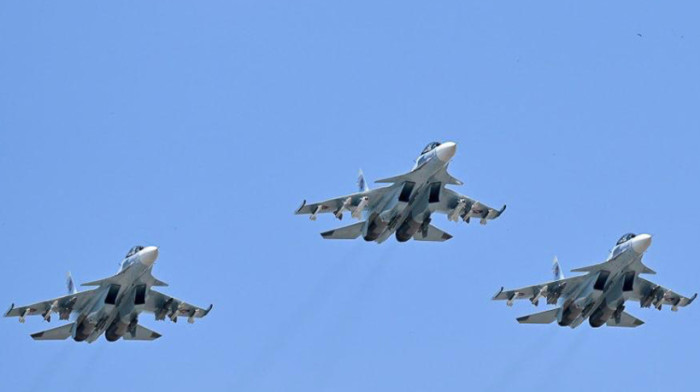
Iranian-made Yassin missiles were spotted mounted on Armenian Air Force fighter aircraft during Armenia's latest military parade on Thursday (28 May), drawing attention from defence observers and regional analysts.
U.S. rapper Kanye West, now known as Ye, performed to a crowd of 118,000 people in Istanbul on Saturday night, marking his first concert in Europe in more than a decade, despite being barred from performing in several countries over past antisemitic remarks.
Iranian-made Yassin missiles were spotted mounted on Armenian Air Force fighter aircraft during Armenia's latest military parade on Thursday (28 May), drawing attention from defence observers and regional analysts.
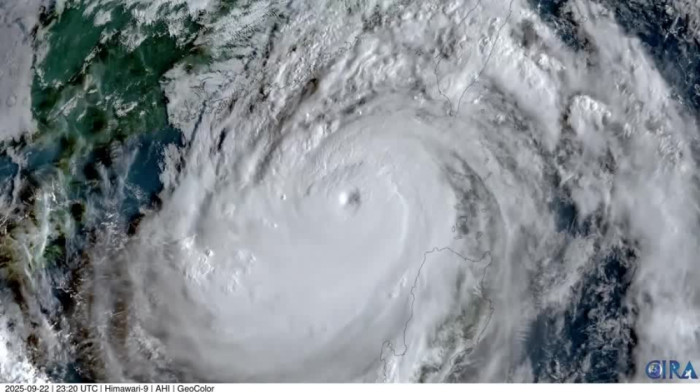
Okinawa lost transport links and suffered widespread power outages on Monday (1 June) as Severe Tropical Storm Jangmi brought destructive winds and heavy rain to Japan's south-western islands.
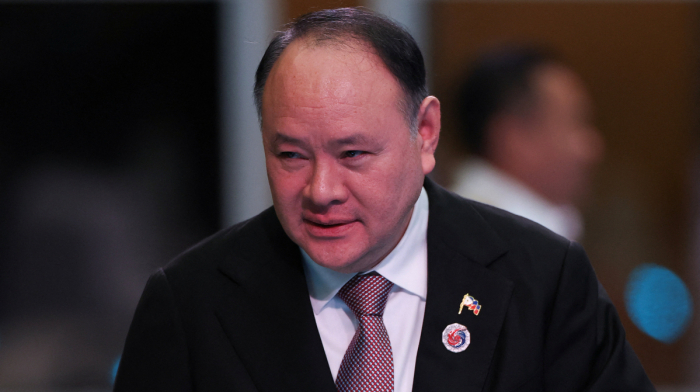
The Philippines remains under a "severe threat" from China despite recent efforts by Washington and Beijing to ease tensions, Philippine Defence Secretary Gilberto Teodoro said on Saturday (30 May).
Donald Trump said he is “in no hurry” to reach a deal with Iran, insisting the U.S. is slowly getting what it wants. He warned military action remains an option if talks fail. Meanwhile, U.S. forces said they fired a missile at a vessel trying to breach Washington’s blockade of Iran.
As the World Cup kick-off approaches, teams from across the globe arrive with contrasting narratives, some seeking redemption, others chasing history, and a few hoping simply to belong.
Okinawa lost transport links and suffered widespread power outages on Monday (1 June) as Severe Tropical Storm Jangmi brought destructive winds and heavy rain to Japan's south-western islands.
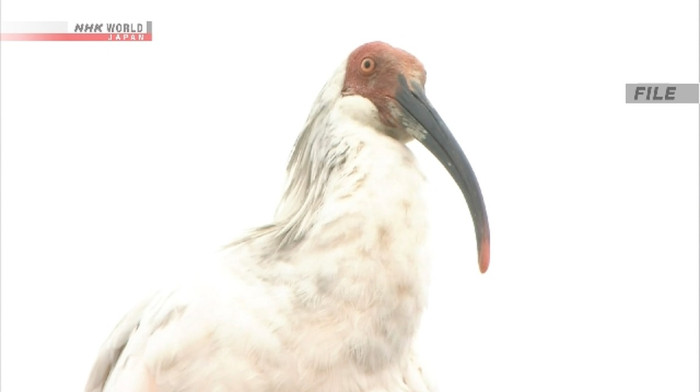
Japan has released crested ibises into the wild on Honshu for the first time, marking a major conservation milestone in the Noto region of Ishikawa Prefecture.
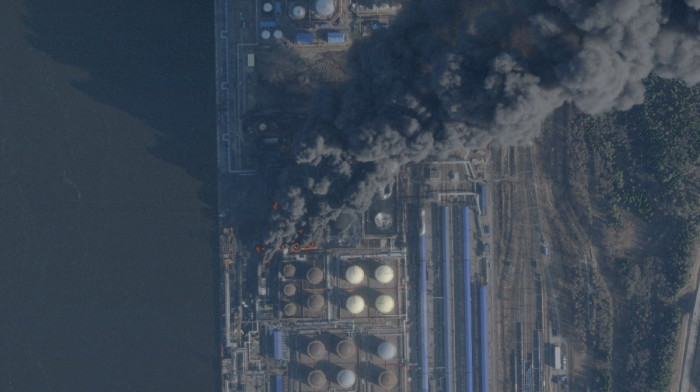
Ukrainian drones struck targets across several Russian regions overnight, including an oil pipeline pumping station, a refinery and a fuel depot, Russian and Ukrainian authorities said on Sunday.
















What is your opinion on this topic?
Leave the first comment