live U.S. hits Iranian radar installations after drone threat in Strait of Hormuz
The U.S. said it struck Iranian radar sites on Qeshm Island and in Goruk after intercepting four drones, while Iran's Revolutionary Guards said they l...
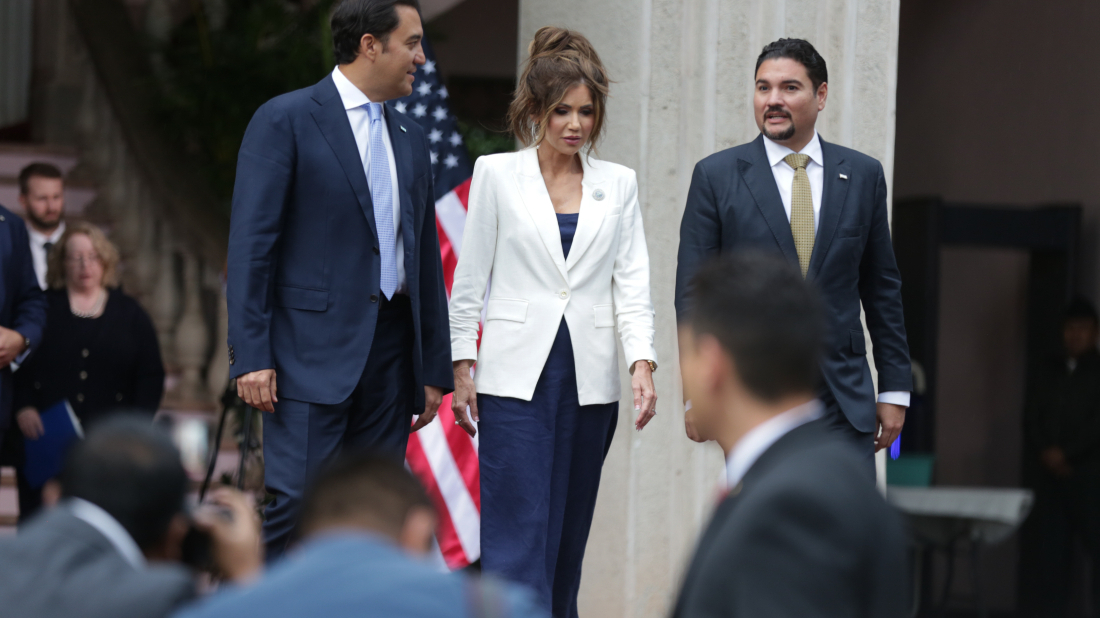
U.S. Homeland Security Secretary Kristi Noem is visiting Central America to strengthen cooperation on curbing drug trafficking and reducing undocumented migration to the U.S., meeting leaders in Panama, Costa Rica, and Honduras.
U.S. Homeland Security Secretary Kristi Noem continued her tour of Central America on Wednesday, focusing on Washington’s immigration and security priorities.
Noem began her three-day trip in Panama, where she met President Jose Raul Mulino. Mulino said on X, “The work against illegal migration and international crime does not stop... We have regained control of our borders.”
She then visited Costa Rica, meeting President Rodrigo Chaves, who said, “We have made every effort to strengthen our relationship with the United States in the fight against international crime.”
Earlier in March, Noem visited Mexico, praising President Claudia Sheinbaum’s anti-trafficking efforts but noting Mexico still falls short of U.S. security expectations.
Central America remains vital in tackling irregular migration—especially from Honduras and El Salvador—and is a key drug transit route. Noem is currently in Honduras, scheduled to meet President Xiomara Castro to further discuss these issues.

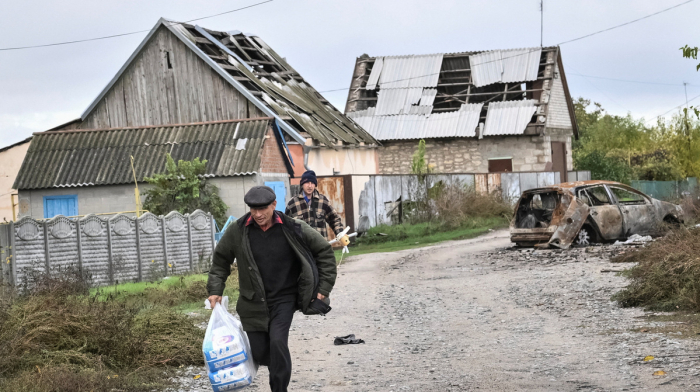
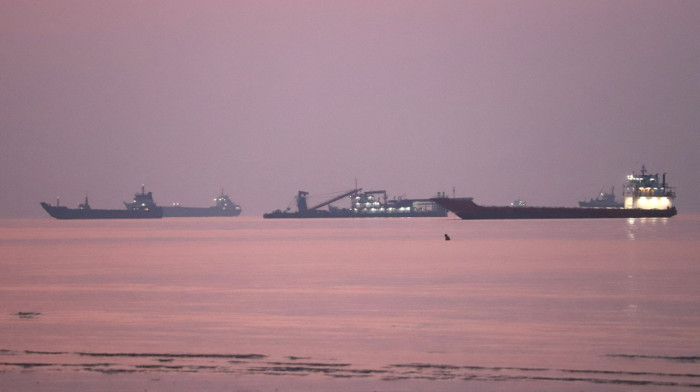
Five Azerbaijani crew members were killed, and three others were injured after two cargo vessels were hit in a drone attack in the Sea of Azov, Azerbaijan's Foreign Ministry said on Friday, as Russia blamed Ukraine for the strike.
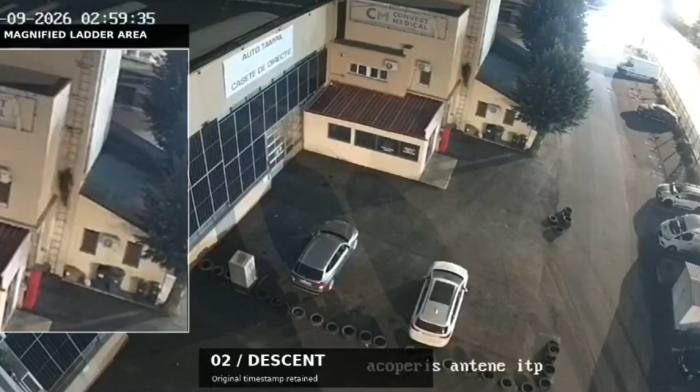
The new AnewZ documentary, TARGET: Yerevan, builds its explosive case on exclusive, secret recordings originally published by Minval Politika.
Azerbaijan has strongly rejected allegations published by CNN claiming that its territory was used for Israeli military and intelligence operations against Iran, describing the report as entirely baseless and demanding a retraction.
Armenia will hold parliamentary elections on 7 June 2026, a vote that will shape the country’s political direction for the next five years. Understanding how the electoral system converts votes into parliamentary power is key to following the outcome and its wider regional implications.
Armenia’s National Assembly election on 7 June is increasingly being viewed not only as a domestic political contest, but also as a vote that could shape the future direction of the South Caucasus.
People across Gaza are facing a worsening humanitarian crisis, with millions struggling to access food, clean water, shelter and medical care as the conflict continues.
The United States has approved the possible sale of five Seahawk maritime helicopters to New Zealand in a deal valued at $1.5 billion, as Wellington moves to strengthen its armed forces.
The United States has announced an additional $38 million to support efforts to contain the Ebola outbreak in the Democratic Republic of Congo, as health officials warn that the virus could spread further without stronger action.
More than 6,000 people gathered outside a vote-counting centre in Seoul on Friday night, demanding this week’s local elections be repeated after ballot shortages left some voters unable to cast their ballots.
The next time a goal goes in during a Champions League final, fans around the world could watch it from every angle at once — frozen, rotated and replayed in ways that were impossible only a few years ago.
You can download the AnewZ application from Play Store and the App Store.
What is your opinion on this topic?
Leave the first comment