Washington looks to Central Asia as it rebuilds global critical minerals supply
Agreements signed by the United States, Kazakhstan and Uzbekistan in Washington on 5 February show that the United States is changing how it secures a...
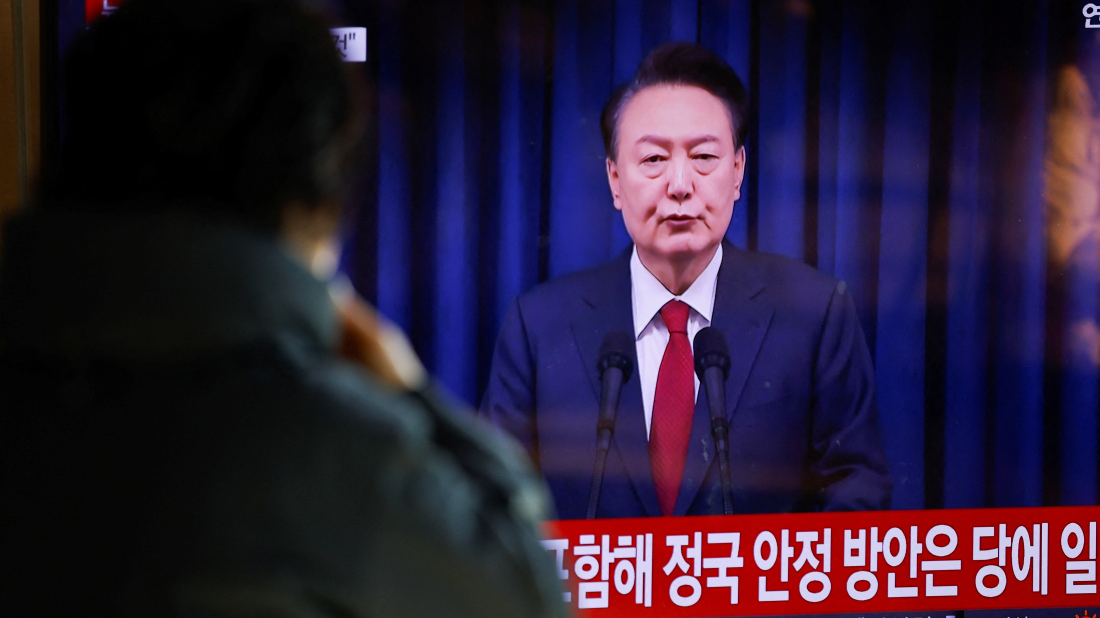
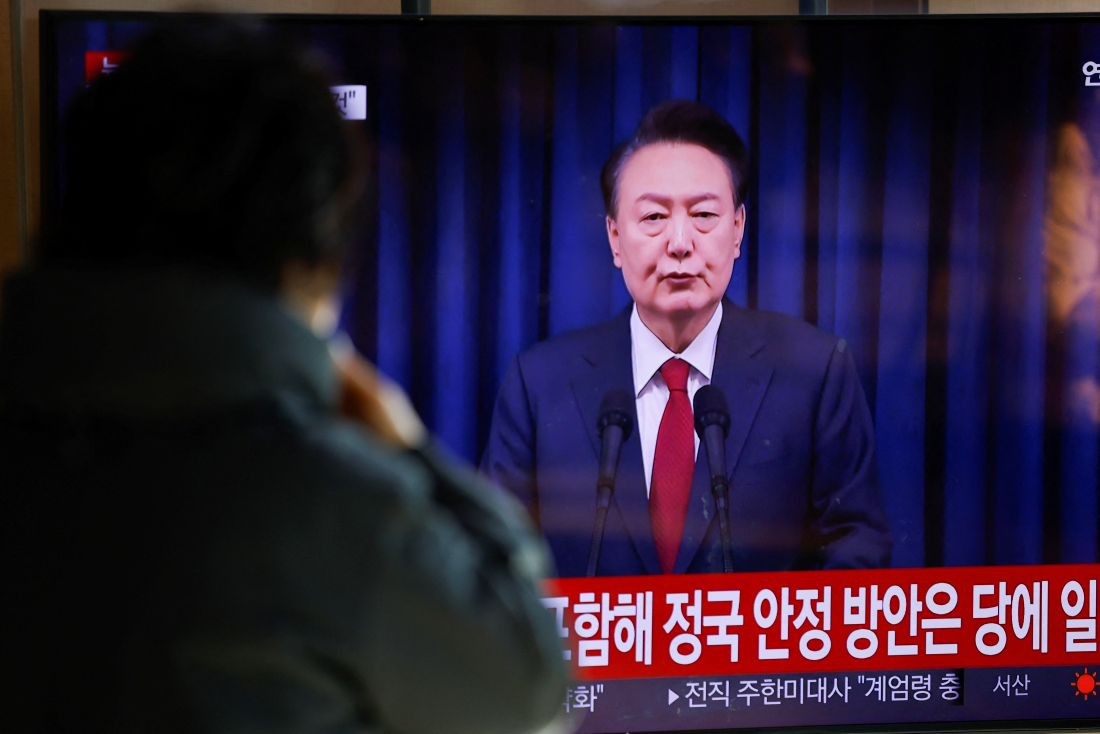
South Korean President Yoon Suk Yeol is under immense pressure to resign after a failed attempt to impose martial law, sparking widespread outrage.
Despite an imminent impeachment vote and calls for his resignation from both opposition leaders and some within his own party, Yoon has refused to step down.
Tensions are at a breaking point in Seoul, where thousands of protesters have gathered outside parliament demanding Yoon’s resignation. Meanwhile, his supporters have held counter-rallies, defending his controversial decisions.
If impeached, Yoon will face a trial in the Constitutional Court, which could lead to his removal from office—echoing the 2017 impeachment of former President Park Geun-hye. Additionally, investigations are underway into allegations of insurrection and abuse of power, charges that carry severe legal consequences.
The crisis began earlier this week when Yoon declared martial law, citing threats from North Korea and anti-state forces. However, the declaration was rescinded within six hours following nationwide backlash. In a televised address, Yoon apologized for the decision, pledging not to take similar measures again.
As political tensions continue to escalate, South Korea braces for what could be one of the most defining moments in its democratic history.

Winter weather has brought air travel in the German capital to a complete halt, stranding thousands of passengers as severe icing conditions make runways and aircraft unsafe for operation and force authorities to shut down one of Europe’s key transport hubs.
Storm Leonardo hit Spain and Portugal on Tuesday, forcing more than 11,000 people from their homes, as a man in Portugal died after his car was swept away by floodwaters and a second body was found in Malaga.
An attacker opened fire at the gates of a Shiite Muslim mosque in Islamabad on Friday before detonating a suicide bomb that killed at least 31 people in the deadliest assault of its kind in the capital in more than a decade.
Ukraine and Russia carried out a rare exchange of 314 prisoners on Thursday as U.S.-brokered talks in Abu Dhabi closed with a pledge to resume negotiations soon, offering one of the clearest signs of diplomatic movement in months.
The United States and Iran are set to hold nuclear talks in Oman on Friday after Tehran requested a change of venue and a strictly bilateral, nuclear-focused format, a move that is fuelling questions about Iran’s negotiating strategy.
Start your day informed with AnewZ Morning Brief: here are the top news stories for the 7th of February, covering the latest developments you need to know.
U.S. and Ukrainian negotiators have discussed an ambitious goal of reaching a peace agreement between Russia and Ukraine by March, though the timeline is widely viewed as unrealistic due to deep disagreements over territory, according to multiple sources familiar with the talks.
At least 31 people have been killed and scores wounded in a suicide bombing at a mosque in Pakistan’s capital, Islamabad, during Friday prayers, prompting widespread international condemnation.
Lebanese Army Commander Gen. Rodolphe Haykal met with senior U.S. officials in Washington, D.C., this week to discuss strengthening military and security cooperation, regional developments and the challenges facing Lebanon, the Lebanese army said on Friday.
Storm Leonardo hit Spain and Portugal on Tuesday, forcing more than 11,000 people from their homes, as a man in Portugal died after his car was swept away by floodwaters and a second body was found in Malaga.
You can download the AnewZ application from Play Store and the App Store.
What is your opinion on this topic?
Leave the first comment