Kyrgyzstan sees world’s biggest jump in women MPs, new report finds
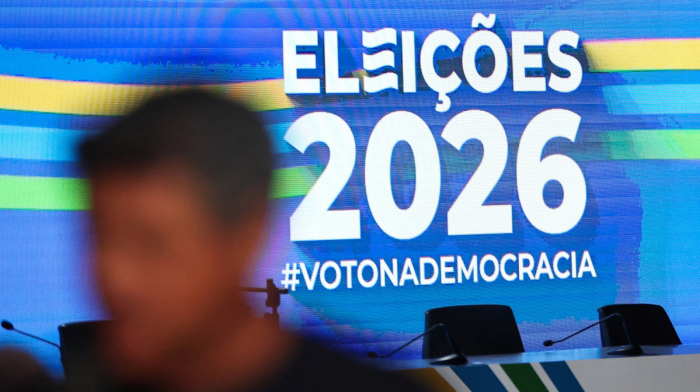
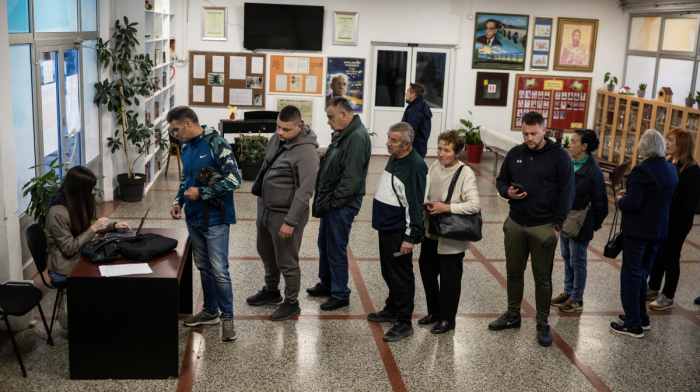
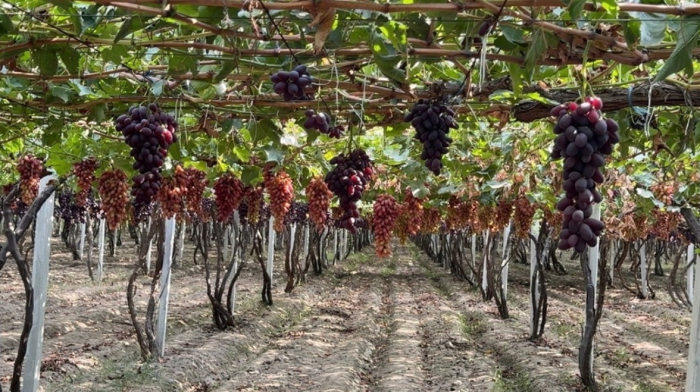
Kyrgyzstan recorded the largest increase in women’s representation in parliament worldwide in 2025, accordin...
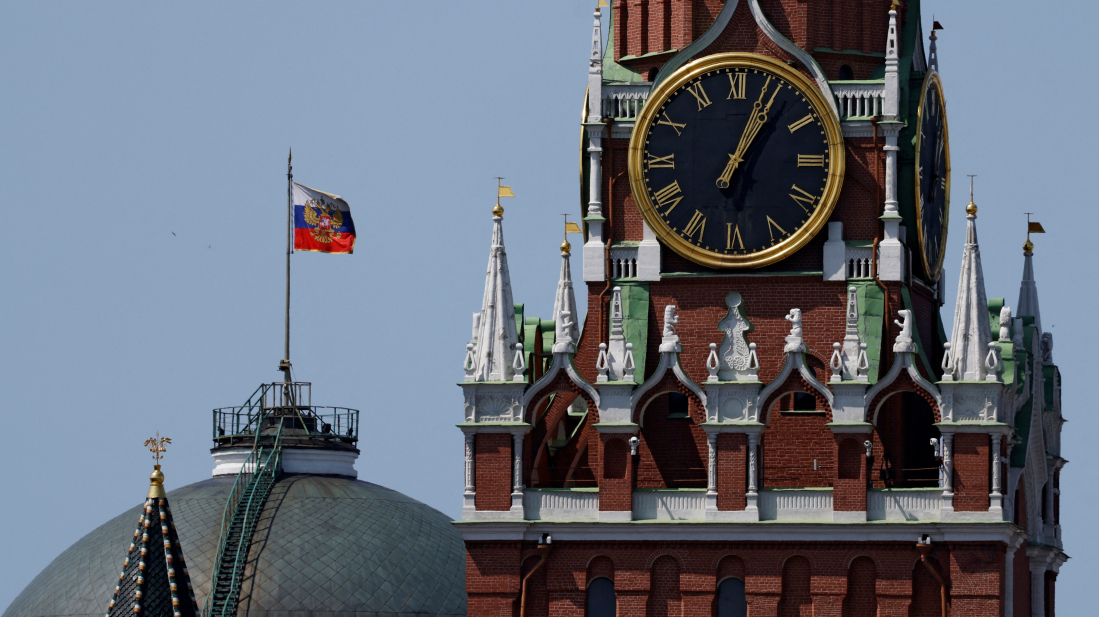
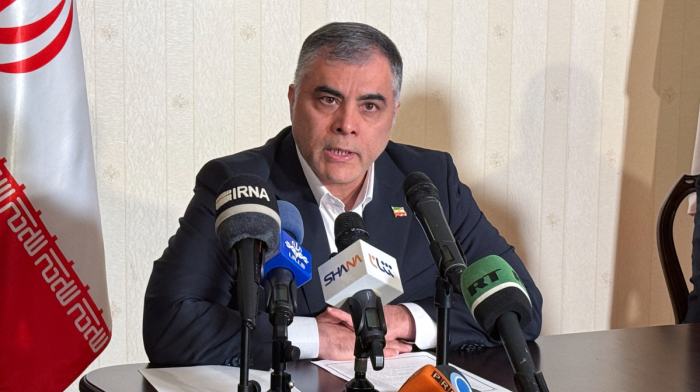
The Kremlin has strongly condemned the recent U.S. strikes on Iranian nuclear facilities, warning they could trigger wider instability in the region and deepen the ongoing conflict.
Russia expressed deep regret over the airstrikes, Kremlin spokesperson Dmitry Peskov said on Monday, emphasizing that the attacks had widened the scope of the conflict and heightened regional tensions.
Peskov noted that the full extent of the damage to Iran’s nuclear infrastructure remains uncertain, including whether any radiation risk is present. He described the post-strike situation in Iran as a serious concern for Moscow.
Moscow had previously warned that U.S. military intervention could destabilize the region. In January, Russia and Iran signed a strategic partnership treaty, though it did not include a mutual defence clause.
Peskov also stated that U.S. President Donald Trump had not provided Russian President Vladimir Putin with detailed information about the planned strikes in advance, although the possibility of military involvement had been discussed in general terms.
The Kremlin has stated that Russia is prepared to assist Iran in various ways amid the current escalation in the Middle East, with the extent of support largely depending on Iran’s specific requests.
When asked about Russia's next steps, Peskov reiterated Moscow’s offer to mediate and emphasized that future actions would depend on what Iran needs.
President Putin is scheduled to meet Iranian Foreign Minister Abbas Araqchi later on Monday.

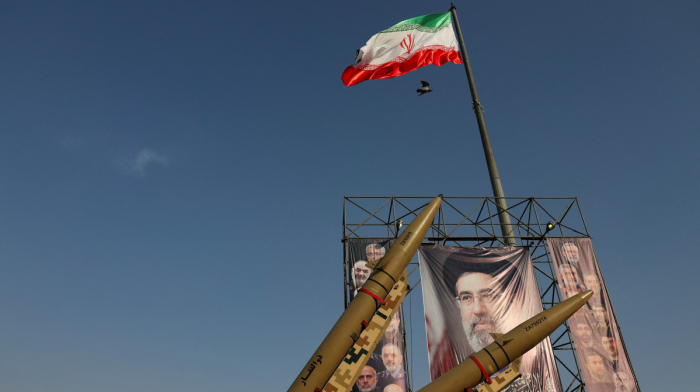
Mojtaba Khamenei, son of the late Ayatollah Ali Khamenei, is a hardline cleric with strong backing from the Islamic Revolutionary Guard Corps. His rise signals continuity in Tehran's anti-Western policies.
Trump says the United States "don’t need people that join wars after we’ve already won," targeting his criticism at UK Prime Minister Keir Starmer. Israel continues to fire missles at strategic sites in Iran and Gulf regions report more strikes from Iran.
Global oil prices surpassed $119 a barrel on Monday (9 March, 2026), an almost four year high, as the Middle East conflict rumbled on.
Iran named Mojtaba Khamenei to succeed his father Ali Khamenei as supreme leader on Monday (9 March), signaling that hardliners remain firmly in charge, as the week-old U.S.-Israeli war with Iran pushed oil above $100 a barrel.
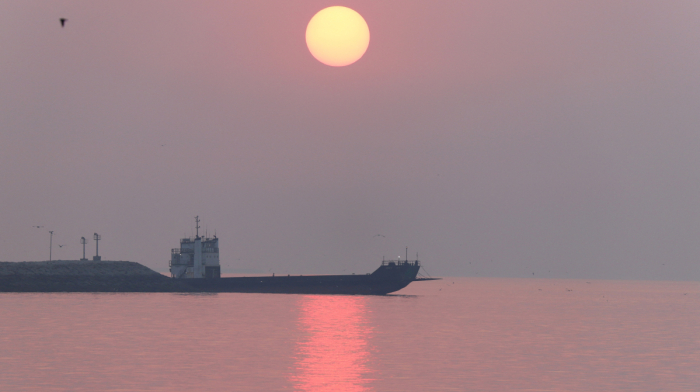
Entry and exit across the state border between Azerbaijan and Iran for all types of cargo vehicles, including those in transit, will resume on 9 March, according to a statement by the Cabinet of Ministers of Azerbaijan.
U.S. President Donald Trump and UK Prime Minister Keir Starmer spoke by phone on Sunday as tensions between Washington and Westminster deepened over the conflict involving Iran. The call came less than a day after Trump criticised Britain’s response to U.S. strikes on Iranian targets.
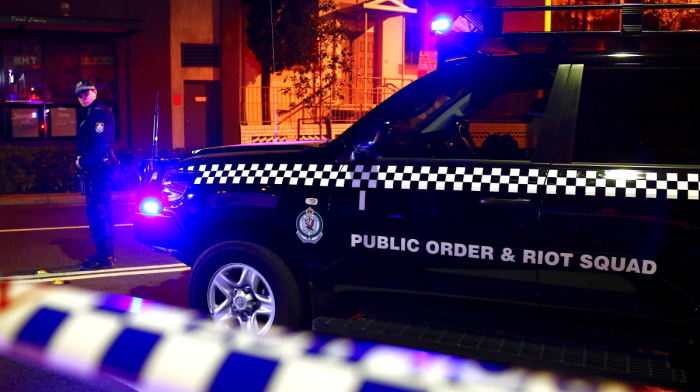
Norwegian police are searching for a suspect after an explosion at the U.S. embassy in Oslo on 8 March caused minor damage but no injuries, in what authorities say may have been a deliberate attack linked to the Middle East crisis.
An explosion damaged a synagogue in the Belgian city of Liège early on Monday (9 March) in what authorities said was an antisemitic attack that caused damage but no injuries.
The Group of Seven (G7) finance ministers will meet on Monday to discuss a global rise in oil prices and a joint release of oil from emergency reserves coordinated by the International Energy Agency, the Financial Times reports.
Start your day informed with AnewZ Morning Brief. Here are the top news stories for the 9th of March, covering the latest developments you need to know.
You can download the AnewZ application from Play Store and the App Store.
What is your opinion on this topic?
Leave the first comment